
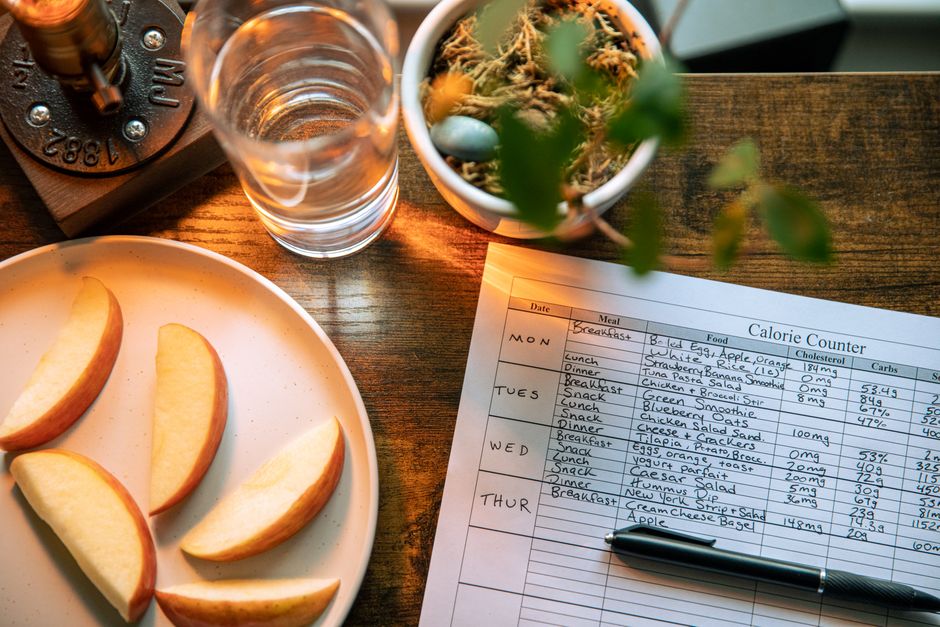
Water is important for weight loss because it directly affects how your body burns calories and processes fat. When you are even slightly dehydrated, your metabolism slows down, and your body holds onto fat stores instead of using them for energy. Drinking enough water also helps you feel full before meals, which naturally reduces how much you eat without any extra effort.
How Does Water Help Your Body Burn Fat?
Your liver is the main organ that turns stored fat into energy. When you are dehydrated, your kidneys cannot do their job properly. Your liver has to step in to help the kidneys, which leaves less of its energy for burning fat.
Research shows that drinking water increases something called lipolysis. This is the process where your body breaks down fat for energy. One study found that drinking 500 milliliters of water increased metabolic rate by 30 percent in both men and women. The effect started within 10 minutes and lasted more than an hour.
The fat cells themselves need water to release fatty acids into your bloodstream. Without enough water, those fat cells hold on tighter to the fat. This is one reason why people who are chronically dehydrated often struggle to lose weight even when they eat well.
There is also evidence that cold water gives a small extra boost. Your body uses energy to warm the water to body temperature. This effect is real but modest. Do not expect it to make a big difference on its own.
Can Drinking Water Before Meals Help You Eat Less?
Yes, and the research is fairly clear on this. Drinking about 16 ounces of water 30 minutes before a meal helps you eat fewer calories during that meal. One study of overweight adults found that those who drank water before meals lost 44 percent more weight over 12 weeks compared to those who did not.
The mechanism is simple. Water takes up space in your stomach. That triggers stretch receptors that tell your brain you are full. This works better than drinking water with your meal because the water has time to leave your stomach if you drink too close to eating.
This strategy works best for people who tend to overeat at meals. If you are someone who eats until you feel stuffed, drinking water beforehand can help you stop sooner. If you already eat moderate portions, the effect may be smaller.
Some people report that water before meals also helps with digestion. There is limited evidence for this claim. The main benefit is simply reducing how much you eat.
What Does Research on Water and Weight Loss Actually Show?
The research on water for weight loss is more solid than many other diet claims. Several well-designed studies have looked at this question.
A 2010 study published in the journal Obesity followed 48 overweight adults on a low-calorie diet. Half drank 500 milliliters of water before meals. The other half did not. After 12 weeks, the water group lost about 4.5 more pounds than the non-water group.
A 2016 meta-analysis reviewed multiple studies on water and weight loss. The researchers found that drinking water was consistently linked to greater weight loss, though the amount varied between studies. The average effect was about 2 to 5 extra pounds over 12 weeks.
Current research suggests that water helps weight loss through three main pathways. First, it increases metabolism temporarily. Second, it reduces calorie intake before meals. Third, it improves how your body processes fat during exercise.
As of 2026, there is no strong evidence that drinking extra water beyond what your body needs gives additional benefits. The key is drinking enough to stay properly hydrated. More is not better.




How Much Water Do You Actually Need for Weight Loss?
The old advice of eight glasses a day is a rough guideline, not a rule. Your actual needs depend on your body size, activity level, climate, and what you eat.
A more accurate method is to drink half your body weight in ounces. If you weigh 180 pounds, that means 90 ounces of water per day. This is a reasonable starting point for most people.
But water from food counts too. Fruits and vegetables are mostly water. Cucumber, watermelon, and lettuce are over 90 percent water. Soup, broth, and even coffee contribute to your total fluid intake.
The best way to know if you are drinking enough is to check your urine. Pale yellow or clear means you are well hydrated. Dark yellow or amber means you need more water. This is more reliable than counting glasses.
For weight loss specifically, timing matters more than total volume. Drinking water 30 minutes before meals is more helpful than sipping water throughout the day. The pre-meal effect is where the strongest evidence lies.
What About Water vs. Other Drinks for Weight Loss?
Replacing sugary drinks with water is one of the most effective changes you can make. A single 12-ounce soda has about 140 calories. If you drink two sodas a day and switch to water, you save nearly 2,000 calories per week. That translates to about half a pound of fat loss per week without any other changes.
Diet sodas are not a good substitute. Some studies suggest that artificial sweeteners may still trigger insulin responses and increase cravings. The evidence is mixed, but water is clearly the better choice.
Coffee and tea count toward your fluid intake. Caffeine is a mild diuretic, but the water in these drinks more than makes up for any fluid loss. Black coffee and unsweetened tea are fine options.
Alcohol is the opposite. It dehydrates you and adds empty calories. One study found that people who drank alcohol before meals ate about 200 more calories during that meal. Alcohol also temporarily stops fat burning because your liver prioritizes processing the alcohol.
| Drink | Calories per 12 oz | Effect on Hydration | Effect on Weight Loss |
|---|---|---|---|
| Water | 0 | Hydrates | Supports |
| Diet Soda | 0 | Hydrates | Mixed evidence |
| Regular Soda | 140 | Hydrates | Hinders |
| Black Coffee | 5 | Hydrates | Neutral |
| Beer | 150 | Dehydrates | Hinders |
Common Misconceptions About Water and Weight Loss
One common claim is that drinking water flushes out fat. This is not how it works. Fat is not flushed out of your body. It is burned for energy and exhaled as carbon dioxide. Water helps your body access fat stores, but it does not wash them away.
Another myth is that you should drink a gallon of water a day for weight loss. There is no evidence that extreme water intake helps more than moderate intake. Drinking too much water can cause hyponatremia, a dangerous condition where your blood sodium drops too low. This is rare but real.
Some people believe that drinking water with lemon or apple cider vinegar boosts weight loss significantly. The evidence for these additives is weak. Lemon water is fine if you like the taste, but it does not burn fat. Apple cider vinegar may have a small effect on blood sugar, but the weight loss claims are overblown.
Drinking water during exercise is important, but it does not directly burn fat. What it does is keep your performance high so you can exercise longer and harder. That indirect effect is meaningful but often overstated.
Practical Tips for Drinking More Water
Start your day with a glass of water. Your body is slightly dehydrated after sleep, and morning water helps wake up your metabolism. Keep a glass on your nightstand so you see it first thing.
Use a water bottle with time markers. These bottles show how much you should have drunk by certain times of the day. They are simple but effective for people who forget to drink.
Set a phone reminder for 30 minutes before lunch and dinner. This is the water timing that research supports for weight loss. A quick alert takes seconds to set.
If you do not like plain water, add a slice of lemon, lime, or cucumber. The flavor is mild but enough to make water more appealing. Avoid flavored water packets that contain artificial sweeteners or sugar.
Eat more water-rich foods. Soups, salads, and fruits contribute significantly to your hydration. A bowl of vegetable soup provides as much water as a glass of water, plus fiber and nutrients.
Frequently Asked Questions About water important for weight loss
Does drinking water before bed help with weight loss?
Drinking water before bed is not harmful, but it may disrupt sleep if you wake up to use the bathroom. The weight loss benefit comes from drinking water before meals, not before sleep.
Can drinking cold water boost metabolism enough to lose weight?
Cold water does increase metabolism temporarily as your body warms it, but the effect is small. You would need to drink several liters of ice water daily to see any real weight loss from this alone.
How long does it take to see weight loss results from drinking more water?
Most people notice a difference within two to four weeks when they replace sugary drinks with water. The effect is gradual and works best alongside a balanced diet and regular exercise.
Is it possible to drink too much water while trying to lose weight?
Yes, drinking excessive amounts of water can lead to water intoxication, which dilutes sodium in your blood. Stick to reasonable amounts based on your body weight and activity level.
