
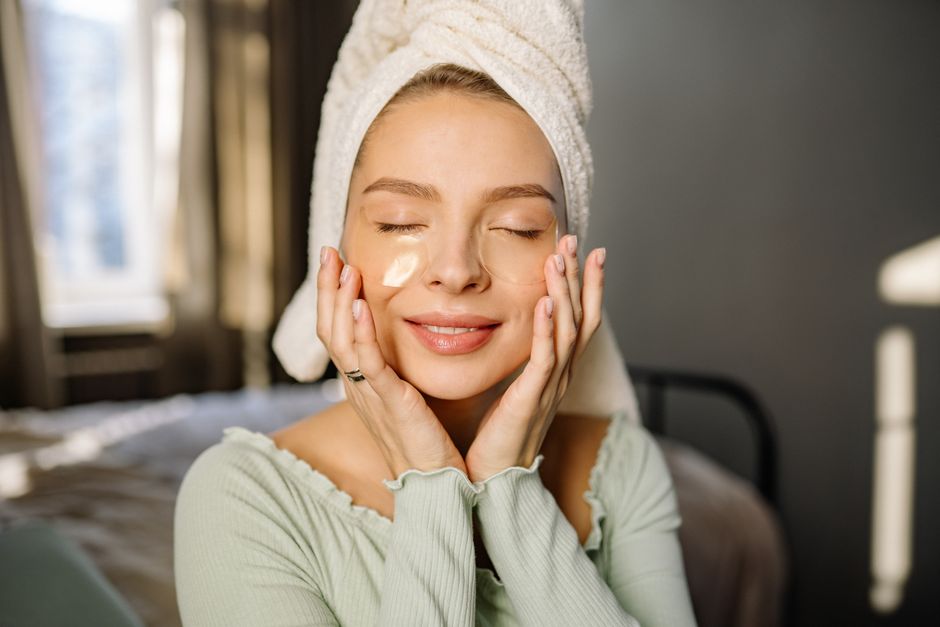
Redness around the eyes is usually not a problem with the eye itself. It is a problem with the skin, the tiny blood vessels beneath it, or the oil glands along the eyelid margin. The skin around the eyes is the thinnest skin on the body, often measuring less than 1 millimeter thick, which is why inflammation, dilated vessels, and fluid shifts show up there before almost anywhere else. That single fact explains most of what people see in the mirror.
The most common causes are blepharitis (inflamed eyelid margins), contact dermatitis from cosmetics or skincare, allergic reactions, and dry eye. Less often, the redness points to an infection, a systemic condition, or a medication side effect. Working out which one you are looking at comes down to asking three questions: does it itch, does it burn, and is the redness on the lid margin or the surrounding skin?
Why Is The Skin Around My Eyes Red?
Redness is the visible result of blood vessels in the skin widening and staying widened. Doctors call this vasodilation. When the tissue around the eye becomes inflamed, immune cells release signaling compounds like histamine and prostaglandins, which relax the walls of small blood vessels and increase blood flow to the area. More blood in thinner skin equals more visible red.
Several things can trigger that sequence:
- Inflammation of the eyelid margin — blepharitis, which affects the oil glands at the base of the lashes
- Allergic response — histamine-driven, usually itchy, often seasonal or triggered by a product
- Irritant contact dermatitis — direct damage to the skin barrier from a substance
- Allergic contact dermatitis — a delayed immune reaction, often to a preservative or fragrance
- Dry eye — reduced tear production or poor tear quality, which inflames the lid surface over time
- Infection — bacterial, viral, or less commonly fungal, sometimes with discharge or crusting
The eyelids also lack the protective fat layer that cushions skin elsewhere. There is almost no subcutaneous fat in the eyelid. That means anything that causes swelling or vessel dilation has nowhere to hide.
What Does It Mean If the Redness Itches?
Itching is the single most useful clue, because it points strongly toward an allergic cause. When the immune system encounters an allergen, mast cells in the skin release histamine. Histamine does two things at once: it makes vessels dilate (redness) and it stimulates nerve endings (itching). That pairing is why allergic eyelid reactions almost always itch.
Common allergens around the eyes include:
- Pollen, dust mites, and pet dander
- Nail polish and its fumes — a frequently missed trigger, since people touch their eyes without thinking
- Fragrances and preservatives in eye creams, mascara, and sunscreen
- Nickel from eyelash curlers or metal frames
- Some topical antibiotics and preservatives in eye drops
There is a detail worth knowing here. Allergic contact dermatitis on the eyelids is often delayed by 24 to 72 hours. People frequently blame the product they used that morning when the real culprit was something applied two days earlier. That delay makes self-diagnosis unreliable.
If the redness burns, stings, or feels gritty rather than itchy, allergy is less likely. Burning and grittiness lean toward dry eye, blepharitis, or an irritant reaction.
What Causes Redness Without Itching?
Blepharitis is the most common cause of non-itchy eyelid redness in adults. It happens when the meibomian glands — the oil-producing glands that line the eyelid margin — become blocked or inflamed. The result is a red, sometimes crusty lid margin, a burning or gritty sensation, and often a film over the vision that clears with blinking.
Blepharitis is chronic and tends to come and go. It is also frequently linked to rosacea and to seborrheic dermatitis, which is why people with those conditions often have eyelid redness too. This connection is well documented in dermatology and ophthalmology literature, though the exact mechanism linking them is still being studied.
Dry eye is the other major non-itchy cause. Tears do more than lubricate — they deliver oxygen and immune factors to the surface of the eye and help keep the lid margin healthy. When tear production drops or tear quality degrades, the tissue becomes inflamed, and that inflammation shows up as redness around the eye. Dry eye is more common with age and is notably more common in women, particularly after menopause.
A less obvious cause is ocular rosacea. Many people know rosacea as facial redness, but a substantial share of people with rosacea also have eye involvement, sometimes before any facial signs appear. It can look exactly like blepharitis.





When Is Redness Around the Eyes a Sign of Something More Serious?
Most eyelid redness is not dangerous. But certain features change the picture and warrant prompt medical evaluation.
- Pain in or around the eye, especially deep or throbbing pain
- Vision changes that do not clear with blinking
- Swelling that is one-sided, firm, or rapidly worsening
- Fever with eyelid swelling
- Pus or thick discharge
- Redness that extends onto the cheek or forehead
- A stye or chalazion that keeps growing or does not improve over weeks
These features can point to preseptal or orbital cellulitis, which are infections of the tissue around the eye. Orbital cellulitis is a medical emergency. The distinction matters because the two conditions look similar at first but require very different urgency.
Redness that comes and goes with muscle weakness, or that appears alongside a drooping eyelid, can also be a sign of a neurological issue. This is uncommon, but it is not something to watch at home.
Can Skincare Products Cause Redness Around the Eyes?
Yes, and this is one of the most underrecognized causes. The skin around the eye is roughly ten times thinner than the skin on the rest of the face in some areas, and it absorbs topical products more readily. Ingredients that are fine on the cheek can irritate the eyelid.
Common offenders include:
- Retinoids and retinol, which increase skin turnover and can cause irritation, especially during the first weeks of use
- Alpha-hydroxy acids and beta-hydroxy acids
- Fragrance, including “natural” essential oils
- Formaldehyde-releasing preservatives found in some cosmetics
- Waterproof mascara and eyeliner applied to the waterline
The pattern matters. If redness appears shortly after starting a new product, that is a reasonable suspect. But because allergic contact dermatitis is delayed, the trigger may be something you have used for months without issue — sensitivity can develop at any time.
Some clinicians recommend stopping all eye-area products for a period to see whether redness resolves, then reintroducing them one at a time. This approach is widely used but is based on clinical practice rather than large controlled trials. It is reasonable, but it is not a formally proven protocol.
What About Infections and Styes?
A stye (hordeolum) is an infection of an oil gland or hair follicle on the eyelid. It usually appears as a tender red bump near the lash line. Most styes are caused by Staphylococcus bacteria, which normally live on the skin.
A chalazion is different. It is a blocked oil gland that becomes a firm, usually painless lump. Chalazia are not infections, though they can become inflamed and red. Confusing the two is common, and the distinction matters because they are managed differently.
Viral conjunctivitis (pink eye) causes redness of the white of the eye and often the lids, usually with watery discharge. Bacterial conjunctivitis tends to produce thicker, colored discharge. Both are contagious, and both are distinct from simple eyelid skin redness.
Herpes simplex can also infect the eyelid or eye. This is uncommon but serious, and it needs medical treatment. A painful blistering rash near the eye should always be evaluated.
Does Diet or a Health Condition Play a Role?
Sometimes. Certain systemic conditions show up around the eyes.
Thyroid eye disease, which is associated with Graves’ disease, can cause redness, swelling, and a bulging appearance. It is an autoimmune condition, and eye involvement can occur even when thyroid levels are normal.
Lupus and dermatomyositis can produce a characteristic redness, often with a violet or dusky tone, particularly on the upper eyelids. These are uncommon but important to recognize.
Nutritional factors are less direct. Severe deficiencies in certain B vitamins and essential fatty acids have been linked to eyelid and eye surface problems, but this is generally seen in cases of significant malnutrition, not in people eating a typical varied diet. There is no strong evidence that ordinary dietary changes fix eyelid redness.
What Helps and What to Avoid
Treatment depends entirely on the cause, which is why identifying it matters more than trying remedies. Some general measures are reasonable across most causes.
For blepharitis and dry eye, gentle eyelid hygiene is the mainstay. Warm compresses and lid cleaning can help unblock oil glands. This is standard clinical practice, and while it is widely recommended, the strength of evidence varies depending on the specific technique.
For allergic causes, avoiding the trigger is the most effective step. Antihistamine eye drops may help with itching. Oral antihistamines can help systemic allergy but may worsen dry eye in some people, since they reduce tear production.
For suspected contact dermatitis, stopping the suspected product is the first move. A dermatologist or ophthalmologist can sometimes do patch testing to identify the specific allergen.
What to avoid: do not use steroid creams or drops on or near the eye unless a doctor prescribes them. Topical steroids can raise pressure inside the eye and worsen certain infections, including herpes. This is a well-established risk, not a theoretical one.
Do not use “redness relief” eye drops regularly. These products constrict blood vessels temporarily. With continued use, they can cause rebound redness, where the vessels dilate more when the drop wears off. This is called rebound hyperemia and is a recognized effect of long-term use.
If redness persists beyond a couple of weeks, keeps returning, or comes with pain or vision changes, see a doctor. An eye exam can usually separate the common causes quickly.
Frequently Asked Questions
Why is the skin around my eyes red and itchy?
Itching usually points to an allergic reaction, where histamine causes both vessel dilation and nerve stimulation. Common triggers include pollen, cosmetics, fragrances, and nail polish.
Can dry eye cause redness around the eyes?
Yes. Poor tear production or quality inflames the eye surface and lid margin over time, which shows up as redness. Dry eye is more common with age and in women after menopause.
Is redness around the eyes a sign of infection?
Sometimes. A stye or bacterial infection can cause redness, often with a tender bump, discharge, or crusting. Redness with pain, fever, or vision changes needs prompt medical evaluation.
Should I stop using eye cream if my eyelids are red?
Stopping suspected products is a reasonable first step, since contact dermatitis is a common cause. Because allergic reactions can be delayed by up to 72 hours, the trigger may be something you used days earlier.
