
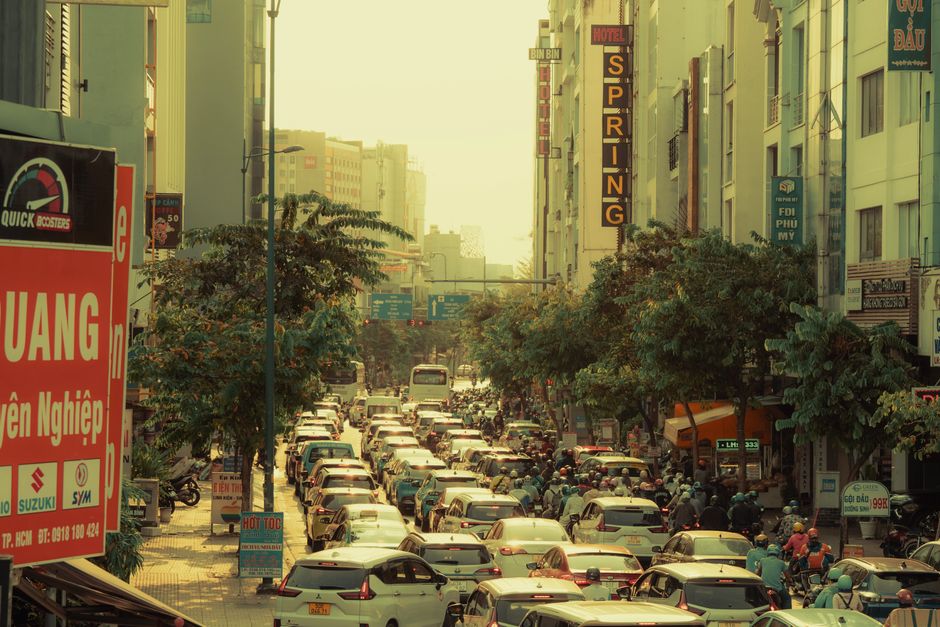
Noise pollution is more than an annoyance. It is a form of environmental degradation that disrupts the natural world in measurable ways. Unlike chemical spills or plastic waste, noise leaves no visible residue, yet it alters animal behavior, masks critical sounds, and can even change the physical landscape of an ecosystem. For wildlife, sound is not a background detail; it is a primary tool for survival, and human-generated noise is drowning it out.
What Is Noise Pollution and Where Does It Come From?
Noise pollution is unwanted or harmful sound that intrudes on an environment. For humans, this is often traffic, construction, or loud music. For the environment, the sources are broader and more constant.
Transportation is the largest contributor. Roads, highways, railways, and airports create a continuous hum that stretches for miles. Shipping lanes and boat traffic generate underwater noise that travels for hundreds of kilometers. Industrial sites, military operations, and even recreational activities like off-road vehicles and snowmobiles add to the acoustic footprint.
The key difference between natural sound and noise pollution is intensity and persistence. A thunderstorm is loud but temporary. A highway runs 24 hours a day. This constant acoustic pressure is what makes it an environmental problem rather than a simple nuisance.
How Does Noise Disrupt Animal Communication?
Animals rely on sound to find mates, warn of predators, and locate food. When human noise masks these signals, the entire social structure of a species can falter.
Birds are the most studied example. Male birds sing to attract females and defend territory. In noisy areas, they must sing louder, higher, or at different times to be heard. This costs energy and can make them more visible to predators. Some research suggests that birds in urban environments shift their song frequency to avoid the low-frequency rumble of traffic, but this adaptation has limits.
Marine life faces an even more severe problem. Underwater, sound travels four times faster than in air. Whales and dolphins use echolocation and complex songs to navigate and communicate across vast distances. Shipping noise overlaps directly with the frequencies these animals use. Studies have found that some whale species change their calling behavior in the presence of ships, and in extreme cases, loud sonar has been linked to strandings.
For animals that depend on sound for survival, chronic noise is like having a constant fog over their sensory world. They are not deaf, but they are functionally blind to the acoustic cues they need.
Does Noise Pollution Affect Predator and Prey Dynamics?
Predators and prey exist in a silent arms race. Predators listen for the rustle of movement. Prey listen for the footsteps of danger. Noise pollution breaks this balance.
Some predators benefit. Studies in the western United States found that areas with natural gas compressor noise had lower bird diversity, but some predators like mice and owls actually increased their activity. The noise suppressed the birds that would normally compete for resources, giving these species an advantage.
Most prey species suffer. When background noise is constant, prey animals cannot hear approaching predators. This forces them to spend more time looking around and less time foraging. In some documented cases, species like the greater sage-grouse abandon leks—their mating grounds—when industrial noise becomes too loud. This has direct consequences for population numbers.
The result is an uneven playing field. Noise does not affect all species equally. It selects for animals that can tolerate or exploit it, and it pushes out those that cannot. Over time, this reshapes entire communities.





Can Noise Pollution Change the Physical Environment?
Noise does not just affect animals. It can alter the physical landscape itself, although the effects are indirect.
One documented mechanism involves seed dispersal. Many birds and mammals disperse seeds by eating fruit and defecating elsewhere. When noise drives these animals away, seed dispersal drops. Research in New Mexico found that areas with loud compressor noise had 25 percent fewer pine seedlings than quiet areas. The birds that disperse the seeds simply avoided the loud zones.
This creates a cascading effect. Fewer seedlings mean less vegetation. Less vegetation means less habitat for insects and other animals. The soil becomes more exposed to erosion. The entire microclimate of the area shifts.
Pollination is similarly affected. Bees and other pollinators rely on sound and are sensitive to vibration. Some studies indicate that noise can reduce pollination visits, which directly impacts plant reproduction. This is not a hypothetical concern. It is a measurable change in how ecosystems function.
Why Is Noise Pollution Bad For The Environment in Urban and Natural Areas?
The effects of noise differ between urban and wild environments, but neither is immune.
In cities, noise pollution compounds with other stressors like light pollution and habitat fragmentation. Urban birds often show elevated stress hormone levels compared to their rural counterparts. Chronic stress suppresses immune function, which can shorten lifespans and reduce reproductive success.
In natural areas, noise pollution is often overlooked because the source is distant. A highway passing through a forest affects a much wider area than the pavement itself. The “road effect zone” can extend hundreds of meters into the woods. For sensitive species, this effectively shrinks their habitat without removing a single tree.
Protected areas are not safe either. Parks and reserves near airports, military training grounds, or major shipping lanes still experience acoustic intrusion. A national park may protect the land, but it cannot protect the soundscape.
What Are the Long-Term Consequences for Ecosystems?
Ecosystems are networks of interactions. When noise disrupts one node, the effects ripple outward.
Reproductive failure is the most direct long-term consequence. If animals cannot find mates or successfully raise young in noisy areas, populations decline. This has been observed in several bird species, including the ovenbird and the wood thrush, which show lower breeding success near noisy roads.
Biodiversity loss follows. Species that cannot adapt to noise are replaced by those that can. This often means generalist species—like crows, raccoons, and certain rodents—thrive while specialists decline. Over time, this homogenizes ecosystems and makes them less resilient to other environmental changes.
The most concerning aspect is that these changes can persist even after the noise stops. If a species has abandoned an area, it may take years to return. If the seed bank is depleted or the soil structure has changed, the recovery is even slower. Noise pollution is not a temporary inconvenience for nature. It can leave a lasting imprint.
What Can Be Done to Reduce Noise Pollution?
Reducing noise pollution requires both policy and engineering solutions. No single fix exists.
Quieter road surfaces are one option. Porous asphalt and rubberized pavement absorb sound rather than reflecting it. Noise barriers along highways can block sound from reaching adjacent habitats, although they are expensive and only work if they are continuous.
Speed limits reduce noise significantly. A car at 50 mph is roughly twice as loud as the same car at 30 mph. Lower speed limits in wildlife corridors have been shown to reduce roadkill and acoustic disturbance simultaneously.
For marine environments, ship design is improving. Quieter propellers and hull designs reduce underwater noise. Some ports have implemented voluntary slow-down zones for shipping to protect whale populations. These measures are promising but not yet widespread.
Urban planning also matters. Preserving quiet zones in cities, requiring soundproofing in buildings near airports, and designing green spaces away from major roads can all help. The goal is not to eliminate sound but to create acoustic refuges where wildlife can function normally.
Frequently Asked Questions
How far can noise pollution travel in natural environments?
Noise from a single highway can affect wildlife up to 1,000 meters away, depending on terrain and vegetation. Underwater, shipping noise can travel for hundreds of kilometers without significant loss of intensity.
Does noise pollution affect plant life directly?
Noise does not damage plants directly, but it affects them indirectly by driving away pollinators and seed-dispersing animals. This reduces reproduction and can alter plant community composition over time.
Which animals are most sensitive to noise pollution?
Species that rely heavily on acoustic communication, such as birds, frogs, whales, and bats, are most affected. Animals with specialized diets or habitat needs are also more vulnerable because they cannot easily relocate.
Can animals adapt to chronic noise exposure?
Some animals can adjust by changing call frequency or timing, but this adaptation has limits. It costs energy, may not work for all species, and does not solve the problem of masked predator cues or disrupted foraging.
