
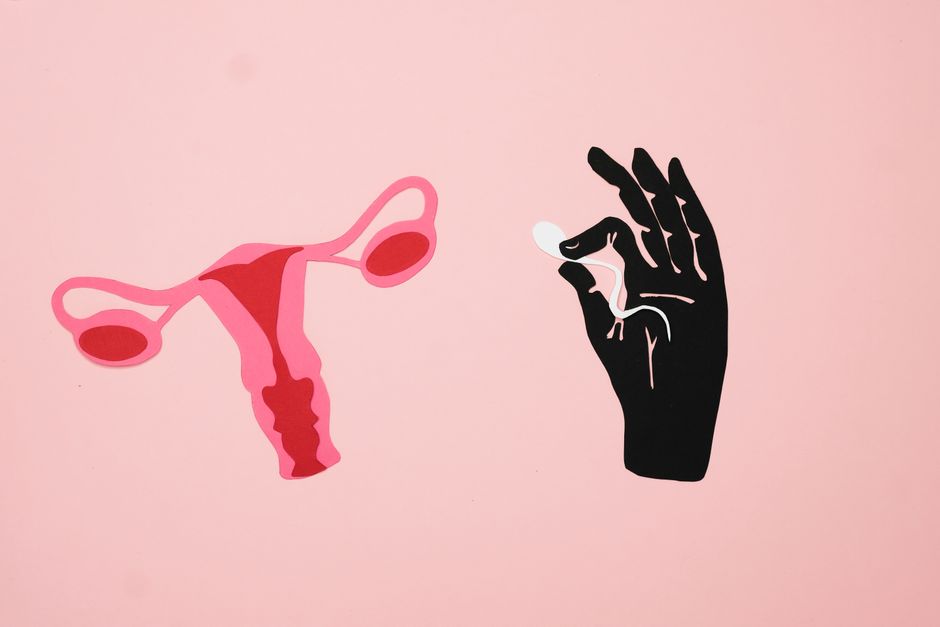
A rumbling, gurgling, or bubbling sensation in your lower abdomen can be unsettling. Many women immediately worry it is something serious involving their uterus or ovaries. In most cases, the sound and feeling are completely normal and come from your intestines, which sit right next to your reproductive organs. The uterus itself rarely makes noise. Understanding what is actually happening can ease your mind and help you know when to see a doctor.
Why Is My Uterus Rumbling?
The rumbling you feel is almost always your bowels, not your uterus. Your large intestine runs across your lower abdomen and sits directly on top of and behind the uterus. When gas and fluid move through the intestines, they create sounds called borborygmi. These sounds are a normal part of digestion. Because the intestines are so close to the uterus, it is easy to mistake bowel activity for uterine activity.
The uterus is a hollow, muscular organ. It does not produce rumbling sounds on its own. It can contract, but those contractions are usually felt as cramping or pressure, not as gurgling or bubbling noises. If you feel a rumbling sensation low in your belly, your digestive tract is the most likely source.
What Causes the Rumbling Sensation?
Several everyday factors can increase bowel sounds and make them more noticeable in your lower abdomen. Most are harmless and temporary.
- Digestion and gas: As food breaks down, your intestines produce gas. This gas moves through the digestive tract and creates audible sounds. High-fiber foods, beans, carbonated drinks, and artificial sweeteners can increase gas production.
- Hunger: When your stomach is empty, your digestive system releases hormones that trigger contractions. These contractions clear out leftover food and debris. The process creates rumbling sounds that are often louder when you are hungry.
- Bowel movements: As waste moves through the colon, it pushes gas and fluid ahead of it. This movement can produce gurgling or rumbling sensations just before you need to use the bathroom.
- Menstrual cycle changes: Hormonal shifts during your period can affect digestion. Prostaglandins, which help the uterus contract, can also stimulate the bowels. This is why many women experience looser stools or more noticeable bowel sounds during menstruation.
- Food intolerances: If your body has trouble digesting certain foods, like lactose or gluten, undigested particles ferment in the colon. This fermentation produces excess gas and louder bowel sounds.
When Is Rumbling Connected to the Uterus?
There are a few situations where the sensation genuinely involves the uterus or reproductive organs. These are less common but worth knowing about.
Early pregnancy can cause a range of new sensations in the lower abdomen. The uterus begins to expand, and hormonal changes slow digestion. Many women report feeling bubbling, fluttering, or rumbling sensations in early pregnancy. Some describe this as “gas bubbles” while others wonder if it is the baby moving. In the first trimester, these sensations are usually digestive. Fetal movement is typically not felt until around 18 to 22 weeks for first-time mothers.
Uterine fibroids are noncancerous growths in the uterine wall. Large fibroids can press against the bowel and bladder. This pressure can change how gas moves through your intestines, making bowel sounds more noticeable. Fibroids can also cause a feeling of fullness or pressure in the lower abdomen. If you feel a persistent heavy sensation along with rumbling, fibroids may be a factor.
Endometriosis can affect the bowel when endometrial-like tissue grows on or near the intestines. This can cause bloating, gas, and changes in bowel habits. Some women with endometriosis report more frequent or louder bowel sounds, especially around their period. The rumbling itself is still coming from the intestines, but the underlying condition affects how the intestines behave.





What Else Could the Sensation Be?
Sometimes the rumbling sensation is accompanied by other symptoms that point to a different cause. Pay attention to what else you feel.
Irritable bowel syndrome (IBS) is a common condition that affects the large intestine. It causes abdominal pain, bloating, gas, and changes in bowel habits. People with IBS often have louder and more frequent bowel sounds. The rumbling may be accompanied by cramping or a sudden urge to use the bathroom. IBS is diagnosed based on symptoms and the absence of other conditions.
Ovarian cysts usually do not cause rumbling sounds. They can cause a dull ache, pressure, or sharp pain on one side. If a large cyst presses on the bowel, it could theoretically affect digestion, but the rumbling would still originate from the intestines. Most ovarian cysts resolve on their own without treatment.
Pelvic floor dysfunction involves weakness or tightness in the muscles that support the pelvic organs. This can cause pressure, a feeling of fullness, and sometimes digestive symptoms. The condition is often related to childbirth, aging, or chronic constipation. Pelvic floor issues can make normal bowel sounds feel more intense or noticeable.
When Should You See a Doctor?
Bowel sounds alone are rarely a reason for concern. But certain combinations of symptoms warrant a medical evaluation. You should see a doctor if the rumbling is accompanied by any of the following:
- Severe or persistent abdominal pain
- Bloating that does not go away
- Changes in bowel habits lasting more than a few weeks
- Blood in your stool
- Unexplained weight loss
- Nausea or vomiting
- Pain during sex
- Abnormal vaginal bleeding
- Difficulty urinating or frequent urination
These symptoms could indicate a condition that needs treatment. Do not ignore persistent pain or bleeding. A healthcare provider can run tests to determine the cause and recommend appropriate care.
Can You Reduce the Rumbling?
If the rumbling is from normal digestion, a few simple habits can reduce how often you notice it. These are general wellness strategies, not medical treatments.
Eat regular meals. Skipping meals can make hunger-related rumbling louder. Eating at consistent times helps regulate digestion and reduces the strong contractions that happen on an empty stomach.
Chew food thoroughly. Digestion starts in your mouth. Swallowing large pieces of food means your stomach and intestines have to work harder, which can produce more gas and noise.
Slow down while eating. Eating quickly makes you swallow air. That air has to come out somewhere, and it often travels through your digestive tract, creating sounds along the way.
Stay hydrated. Water helps keep things moving through your digestive system. Constipation can cause gas to build up behind hard stool, leading to louder bowel sounds.
Limit gas-producing foods. Carbonated drinks, beans, broccoli, cabbage, and onions can increase gas. You do not need to eliminate them. Just notice which ones seem to make the rumbling worse.
Get regular physical activity. Movement helps stimulate the muscles in your intestines. Even a short walk after meals can support healthy digestion.
What About Probiotics and Digestive Enzymes?
Probiotics are live bacteria that may help balance your gut microbiome. Some research suggests they can reduce bloating and gas in people with IBS. The evidence is mixed, and results vary depending on the specific strain and the individual. Some people find probiotics helpful. Others notice no difference. If you decide to try them, choose a product from a reputable brand and give it a few weeks to see if it helps.
Digestive enzymes are supplements that help break down specific food components. They are sometimes marketed for gas and bloating. Lactase supplements, for example, help people who are lactose intolerant digest dairy. Other enzyme products target beans and vegetables. Evidence for their effectiveness is limited for general use. They may help if you have a specific intolerance, but they are not a solution for normal digestive sounds.
No supplement has been proven to stop normal bowel sounds. If a product promises to eliminate rumbling completely, treat that claim with skepticism.
Is It Normal to Feel Movement in the Uterus?
Many women describe fluttering, twitching, or bubbling sensations that they attribute to the uterus. These sensations are usually one of three things: intestinal gas, muscle twitches, or in pregnant women, fetal movement.
Intestinal gas moving through the colon can feel like flutters or bubbles. The sensation is often mistaken for something happening in the uterus because of the location. Muscle twitches in the abdominal wall can also create a fluttering feeling. These are harmless and usually pass within seconds.
In pregnancy, the timeline matters. First-time mothers typically feel fetal movement between 18 and 22 weeks. Women who have been pregnant before may feel it earlier, around 16 weeks. Early fetal movements are often described as flutters, bubbles, or popcorn popping. If you are pregnant and feel these sensations before 16 weeks, it is more likely digestive activity than the baby moving.
Frequently Asked Questions
Why does my uterus area feel like it is gurgling?
The gurgling is almost certainly your intestines, not your uterus. Your bowel sits directly next to and behind the uterus, so gas and fluid moving through the colon can feel like they are coming from your reproductive organs.
Can implantation cause a rumbling sensation?
No clinical evidence connects implantation to audible rumbling sounds. Implantation can cause light spotting or mild cramping, but gurgling or bubbling noises are not a recognized symptom of implantation.
Does a rumbling uterus mean pregnancy?
No. Rumbling in the lower abdomen is a normal digestive process and does not indicate pregnancy. If you miss a period or have other early pregnancy symptoms, take a home pregnancy test for a reliable answer.
Why does my stomach rumble but I am not hungry?
Bowel sounds happen during normal digestion even when you are not hungry. Your intestines are always moving food, fluid, and gas along, and those movements create noise. Certain foods, stress, and hormonal changes can make these sounds louder.
Most of the time, a rumbling sensation in your lower abdomen is just your digestive system doing its job. The uterus and intestines share the same neighborhood in your body, and it is easy to confuse the two. If the rumbling comes and goes without other symptoms, it is rarely a reason for concern. If you have pain, bleeding, or persistent digestive changes, talk to a healthcare provider. They can help you figure out what is really going on.
