
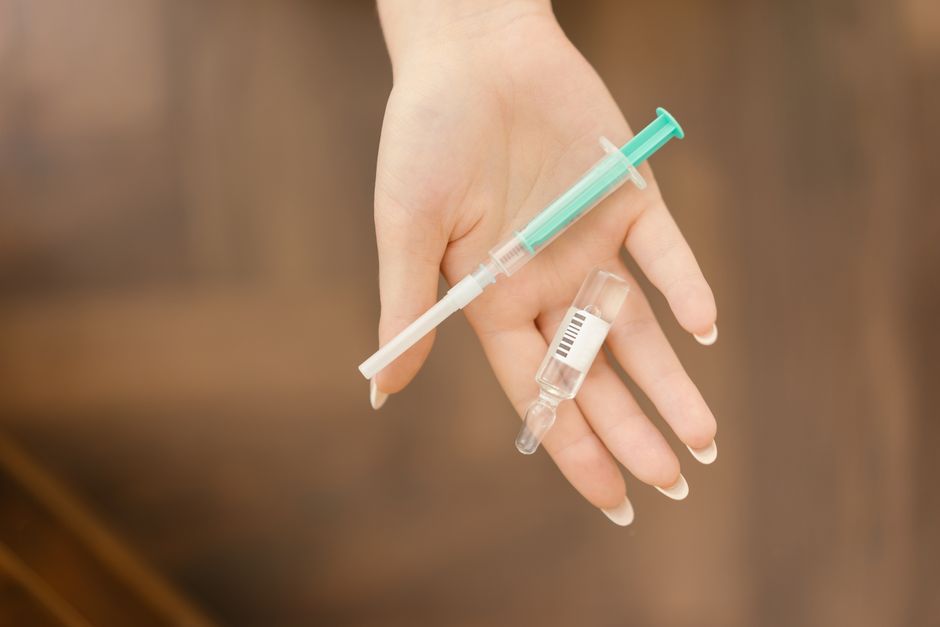
The short answer is no. Decades of large-scale studies have found no link between the thimerosal in vaccines and autism. The scientific consensus is clear that vaccines do not cause autism, and the original concerns about thimerosal have been thoroughly investigated and disproven. Autism is a complex neurodevelopmental condition with roots in genetics and prenatal brain development, not in vaccine preservatives.
What Is Thimerosal and Why Was It in Vaccines?
Thimerosal is a preservative that contains a form of mercury called ethylmercury. It was added to multidose vials of vaccines to prevent the growth of bacteria and fungi. If a vial is punctured multiple times to draw doses, germs can get in. Thimerosal kept those vials safe.
It was never in all vaccines. Most childhood vaccines on the routine schedule never contained it. The concern centered on a few specific shots, such as the diphtheria-tetanus-pertussis (DTP) vaccine and some flu shots.
In 1999, as a precautionary measure, public health agencies in the United States asked manufacturers to remove thimerosal from childhood vaccines. They did this even though there was no evidence it was causing harm. The goal was to reduce total mercury exposure from all sources in infants.
Today, thimerosal is not used in routine childhood vaccines in the United States. The only exceptions are some multidose flu vaccine vials, which contain trace amounts. Single-dose flu shots and nasal spray flu vaccine do not contain thimerosal.
Where Did the Autism Claim Come From?
The idea that thimerosal causes autism gained public attention in the late 1990s. It grew from a combination of a now-retracted study and a timing coincidence.
In 1998, a small study in the United Kingdom suggested a link between the measles-mumps-rubella (MMR) vaccine and autism. That study was later retracted after an investigation found serious ethical problems and data manipulation. The lead author lost his medical license.
Separately, the number of vaccines on the childhood schedule increased in the 1990s. Around the same time, autism diagnoses also increased. Many people connected these two trends, but the increase in autism diagnoses had a clear explanation: broader diagnostic criteria, better awareness, and more services available for children with autism.
Thimerosal became part of the story because it was a mercury compound, and high doses of a different type of mercury (methylmercury) are known to be toxic to the nervous system. The assumption was that ethylmercury in tiny vaccine doses might behave the same way. It does not.
What Does the Science Actually Show?
The thimerosal-autism question has been studied directly and extensively. The evidence is not thin. It is broad, repeated, and consistent.
Several large studies have compared children who received vaccines containing thimerosal with children who received thimerosal-free vaccines. These studies have found no difference in autism rates between the two groups.
One of the most important natural experiments happened in Denmark. In 1992, thimerosal was removed from vaccines there, while it remained in use in the United States until 2001. If thimerosal caused autism, Denmark should have seen autism rates drop after 1992. Instead, autism diagnoses in Denmark continued to rise for years after removal. That pattern directly contradicts the thimerosal hypothesis.
Research published in the Journal of the American Medical Association and other major medical journals has consistently found no association between thimerosal exposure and autism. Studies have also examined whether thimerosal affects specific brain functions or developmental milestones. They have found no measurable harm at vaccine doses.
The Institute of Medicine, now called the National Academy of Medicine, reviewed all available evidence in 2004. Their conclusion was that no link exists between vaccines and autism, and specifically that the evidence favors rejection of a causal relationship between thimerosal and autism.
Ethylmercury Is Not Methylmercury
Part of the confusion comes from the word mercury. Not all mercury compounds behave the same way in the body.
Methylmercury is the type found in contaminated fish. It builds up in the body and can harm the developing brain when consumed in high amounts over time. This is why pregnant women are advised to limit certain types of fish.
Ethylmercury, the type in thimerosal, is different. It is cleared from the body much faster. It does not accumulate in tissues the way methylmercury does. At the tiny doses used in vaccines, ethylmercury is processed and eliminated before it can reach levels that would cause concern.
This distinction matters. Comparing thimerosal to methylmercury is like comparing table salt to industrial chemicals that also contain sodium. The chemical form changes how the body handles it.
If Not Thimerosal, What Causes Autism?
Autism is not caused by a single factor. Research points to a combination of genetic and environmental influences that shape brain development before birth.
Genetics play a major role. Studies of twins show that when one identical twin has autism, the other twin has a very high chance of also having it. Hundreds of genes have been identified that may contribute to autism risk. Many of these genes are involved in how brain cells connect and communicate.
Parental age is another factor. Research has found that older parents, particularly older fathers, have a slightly higher chance of having a child with autism. The reasons are not fully understood, but it may relate to genetic changes in sperm or eggs that occur with age.
Prenatal factors also matter. Complications during pregnancy or birth, such as severe oxygen deprivation, have been associated with higher autism risk. Some infections during pregnancy, such as rubella, have been linked to autism as well. These are not common causes, but they show that events during fetal development can influence autism risk.
What the evidence does not show is any role for vaccines. Children who are unvaccinated develop autism at the same rate as children who receive all recommended vaccines.
Why Do Some People Still Believe Vaccines Cause Autism?
Misinformation persists for several reasons. One is the emotional weight of the topic. A parent of a child with autism wants answers. When a celebrity or an internet post offers a simple explanation, it can feel more satisfying than the complex genetic picture that science provides.
Another reason is the timing of diagnosis. Autism symptoms often become noticeable between ages 1 and 2, which is exactly when many childhood vaccines are given. This creates a false impression that the vaccines caused the condition. In reality, the autism was already developing long before the first symptoms appeared.
Social media amplifies this problem. A single dramatic story or video can reach millions of people, while careful scientific studies receive less attention. The emotional appeal of a personal story often outweighs the statistical power of a large study in the public mind.
It is also true that the medical community handled the early concerns poorly in some ways. The 1999 decision to remove thimerosal as a precaution was made quickly, which some interpreted as an admission of guilt. It was not. It was a standard public health practice of reducing unnecessary exposure when safe alternatives exist.
What About Other Vaccine Ingredients?
Thimerosal is not the only vaccine ingredient that has been questioned. Aluminum adjuvants and formaldehyde have also been the subject of myths.
Aluminum is added to some vaccines to strengthen the immune response. The amount is tiny and well below safety limits. The body already receives more aluminum from food, water, and air than from vaccines. Studies have not found any link between vaccine aluminum and autism or other developmental conditions.
Formaldehyde is used to inactivate some viruses during vaccine production. The amount remaining in the final vaccine is minuscule. For comparison, the human body produces formaldehyde naturally as part of normal metabolism, and the amount in a vaccine is far less than what the body makes on its own each day.
Every ingredient in vaccines serves a specific purpose. Each is tested for safety, and the quantities used are far below levels known to cause harm. The concern about vaccine ingredients is not supported by the evidence.
What Should Parents Take Away From This?
The decision to vaccinate a child is a medical decision, and parents deserve accurate information to make it. The accurate information is that vaccines do not cause autism. This has been studied more thoroughly than almost any other vaccine safety question in history.
What vaccines do is prevent serious diseases. Measles, mumps, rubella, whooping cough, and polio are not harmless childhood illnesses. They can cause permanent disability and death. The measles vaccine alone has prevented an estimated tens of millions of deaths worldwide since it was introduced.
If you have questions about vaccines, talk to your child’s pediatrician. Doctors are trained to answer these questions honestly. They are not trying to hide information. They are trying to protect children from diseases that still circulate in communities.
Skipping or delaying vaccines does not reduce autism risk. It only leaves a child vulnerable to preventable infections. The evidence is clear on both points.
Frequently Asked Questions
Is thimerosal still in any vaccines today?
Thimerosal is not in routine childhood vaccines in the United States. Some multidose flu vaccine vials contain trace amounts, but single-dose flu shots and nasal spray flu vaccine do not.
How much mercury is in thimerosal compared to fish?
The ethylmercury in thimerosal is different from the methylmercury in fish and is cleared from the body much faster. The tiny vaccine dose does not accumulate to harmful levels.
Why did autism rates go up if vaccines are safe?
Autism diagnoses increased because diagnostic criteria expanded and awareness improved. The rise began before and continued after thimerosal was removed from vaccines, which contradicts the theory that thimerosal causes autism.
What does the CDC say about thimerosal and autism?
Public health authorities, including the CDC, state that studies have found no link between thimerosal in vaccines and autism. The 2004 Institute of Medicine review reached the same conclusion.
