
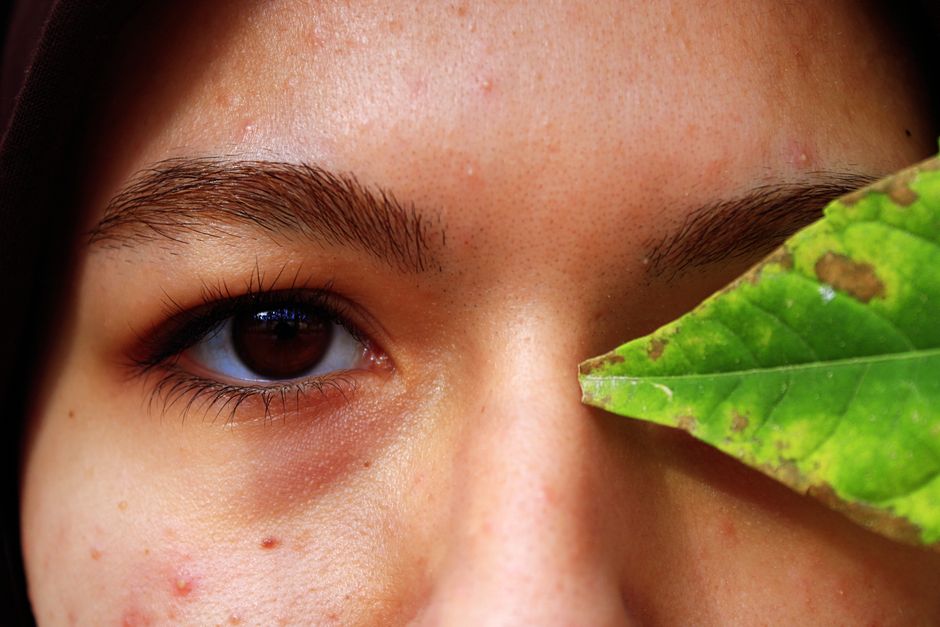
A swollen upper eyelid is usually fluid buildup in the thin tissue around the eye, and the cause is often something mild like an allergy, a blocked oil gland, or an infection. The eyelid skin is among the thinnest on the body, so even a small amount of inflammation or fluid shows up fast. Most cases clear on their own or with simple care, but some causes need a doctor’s attention.
Why Is My Upper Eyelid Swollen Common Causes?
The eyelid is built for movement, not for holding back fluid. It has very little structural support and a rich blood supply, so when tissue gets irritated or inflamed, it puffs up quickly.
Most upper eyelid swelling falls into a few broad groups: allergic reactions, infections, blocked glands, and fluid retention. Sorting out which group you are in usually comes down to how it looks and feels.
- Allergic swelling tends to be soft, itchy, and often affects both eyes. It may come with watery eyes or a runny nose.
- Infection or a blocked gland is more likely to be tender, red, and limited to one spot or one eye.
- Fluid retention from sleep, salt, or hormones is usually puffy rather than red, and often worse in the morning.
One detail people miss: the eyelid has no fat behind it in the way the cheek does. That means swelling here is almost always fluid or inflammation, not “fat” or a growth. This is why it can appear within minutes and fade just as fast.
What Causes a Swollen Upper Eyelid From an Allergy?
Allergies are one of the most common reasons a single eyelid or both eyelids swell. When the eye meets an allergen, immune cells release histamine, which widens blood vessels and leaks fluid into the surrounding tissue. That fluid is what you see as puffiness.
Common triggers include pollen, dust mites, pet dander, and cosmetics. Some people react to a specific product like mascara or a moisturizer, which is called contact dermatitis. In that case, swelling often shows up where the product touched the skin.
Allergic swelling is usually:
- Itchy rather than painful
- Soft to the touch
- Often on both sides
- Sometimes paired with sneezing or a runny nose
If you can identify and avoid the trigger, the swelling often settles within a day or two. Cool compresses can ease the puffiness. Over-the-counter antihistamines are widely used for allergic eye symptoms, though they work better for itching than for the swelling itself.
Can an Infection Cause a Swollen Upper Eyelid?
Yes, and infection is the cause that most often needs medical care. Two common ones are a stye and blepharitis.
A stye is a small infection in an oil gland at the base of an eyelash. It usually shows up as a tender red bump on the lid margin. A chalazion is a blocked gland that is not infected. It tends to be firmer and less painful than a stye.
Blepharitis is inflammation along the lid margin that can make the whole lid look puffy and crusty. It often affects both eyes and tends to come and go.
Signs that point to infection rather than allergy:
- Pain or tenderness
- Redness and warmth
- Swelling on one side
- Discharge or crusting
Warm compresses are a standard first step for a stye or chalazion. Most styes drain on their own within a few days to a week. If the swelling spreads, the eye becomes very painful, or you have a fever, that is a reason to see a doctor promptly.



When Is Eyelid Swelling a Sign of Something More Serious?
Most eyelid swelling is not dangerous. A small number of cases are, and they tend to announce themselves clearly.
One to know about is periorbital cellulitis, an infection of the eyelid skin and tissue in front of the eye. It causes marked redness, swelling, warmth, and often fever. A related and more serious condition, orbital cellulitis, involves the tissue behind the eye. It can come with pain when moving the eye, bulging of the eye, double vision, or vision changes.
Orbital cellulitis is a medical emergency. If you have any of these signs, seek care right away:
- Pain when moving the eye
- Bulging or the eye pushing forward
- Double or blurred vision
- Fever with a red, swollen lid
- Swelling that is spreading fast
Another cause worth knowing is angioedema, deep swelling under the skin that can affect the eyelid and lips. It can be triggered by an allergic reaction or, less often, by certain medications. Swelling that involves the tongue or throat, or makes breathing hard, is an emergency.
What Else Can Make an Upper Eyelid Puffy?
Not every swollen lid is an allergy or infection. Several everyday factors cause puffiness, especially in the morning.
Fluid retention is common. Lying flat overnight lets fluid pool around the eyes, so many people wake up puffy. A high-salt meal the night before can make it worse. This type of swelling usually fades within an hour or two of being upright.
Thyroid eye disease is a less common but important cause. It is linked to an overactive thyroid, though it can occur with normal thyroid levels too. It tends to cause persistent puffiness, eye bulging, and sometimes dry or irritated eyes.
Other possible causes include:
- Crying or lack of sleep
- Eye injury or a bug bite
- A foreign object in the eye
- Some medications
- Skin conditions like eczema near the eye
If swelling is persistent, one-sided, or comes with vision changes, it is worth having a doctor look at it rather than assuming it is harmless.
How Do You Tell the Causes Apart?
Looking at a few features can help you narrow down what is going on. This is a general guide, not a diagnosis.
| Feature | Allergy | Infection or blocked gland | Fluid retention |
|---|---|---|---|
| Itchiness | Common | Rare | Rare |
| Pain | Rare | Common | Rare |
| Redness | Mild | Marked | Minimal |
| Both eyes | Often | Sometimes | Usually |
| Timing | After exposure | Builds over a day or two | Worst in the morning |
If a feature does not fit neatly into one column, that is normal. Many cases overlap, and a doctor can sort it out with an exam.
What Helps Swelling and When Should You See a Doctor?
For mild swelling, a few simple steps often help. Cool compresses can reduce puffiness. Avoiding the trigger, whether it is an allergen or a salty meal, helps prevent it from coming back. For a stye, warm compresses are the usual first step.
Do not squeeze or try to pop a stye or chalazion. That can push infection deeper into the lid.
See a doctor if you notice any of these:
- Swelling that keeps getting worse
- Pain, fever, or spreading redness
- Vision changes or pain when moving the eye
- Swelling that lasts more than a week or two
- Swelling after an injury or a bug bite near the eye
For allergic eye symptoms, some clinicians recommend antihistamines, but they are not a cure for the swelling itself and work best for itching. The evidence for most home remedies is limited, so it is fair to say cool compresses and trigger avoidance are the most reliable simple measures.
Frequently Asked Questions
Why is only my upper eyelid swollen?
One-sided swelling often points to a local cause like a stye, a blocked gland, or a bug bite rather than a whole-body issue. If it comes with pain, redness, or vision changes, have a doctor check it.
How long does a swollen upper eyelid usually last?
Mild swelling from allergies or fluid retention often settles within a day or two. A stye typically drains on its own within a few days to a week. Swelling that lasts longer than a week or two should be evaluated.
Can a swollen eyelid be a sign of something serious?
Rarely, swelling can signal an infection behind the eye, which is a medical emergency. Seek care right away if you have pain when moving the eye, bulging, double vision, or fever with a red swollen lid.
Should I put a warm or cold compress on a swollen eyelid?
Cold compresses are generally used for allergic or fluid-related puffiness. Warm compresses are the usual choice for a stye or blocked gland. Match the compress to the likely cause.
