
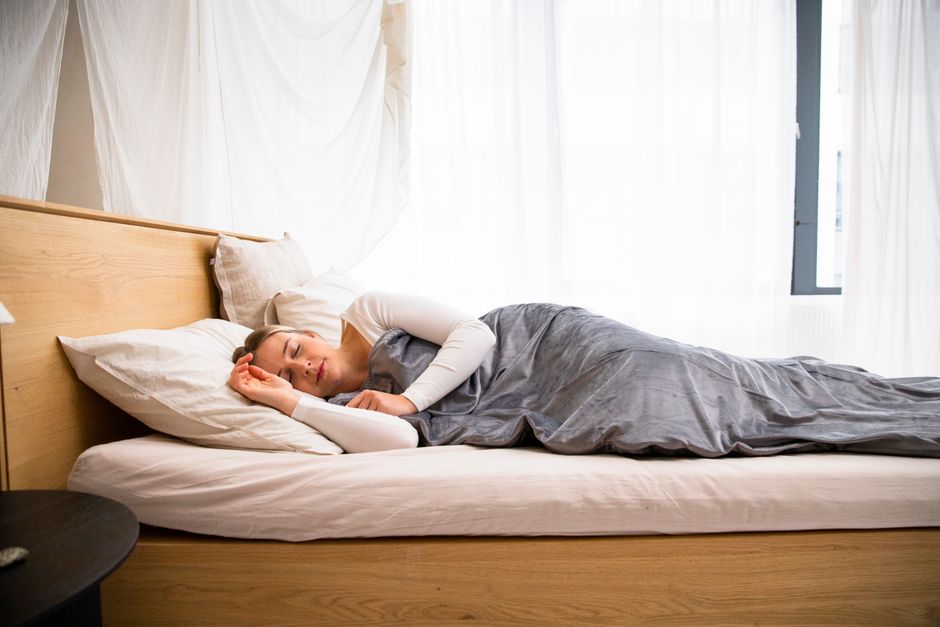
You can sleep on a soft mattress without back pain, but it usually takes more than just lying down. The key is supporting your spine’s natural curve so your lower back does not sink into the surface. Position matters, and so does your pillow. In most cases, a few changes to how you sleep can make a soft mattress workable. If pain continues, the mattress itself may be the problem.
Why Does A Soft Mattress Cause Back Pain?
A mattress that is too soft lets your body sink into it. When that happens, your spine can bend out of its natural alignment. The lower back often dips down while your shoulders and hips stay higher. That position can strain muscles and put pressure on the joints and discs in your spine.
This is not the same for everyone. Some people sleep fine on a soft mattress. Others wake up stiff or sore. A lot depends on your body weight, your sleeping position, and how soft the mattress actually is.
Heavier sleepers tend to sink deeper into a soft surface. That makes alignment harder to keep. Back sleepers who sink at the hips can end up with their lower back arched or flattened in a way it should not be. Stomach sleepers have the hardest time on any soft mattress, because the belly sinks and the lower back curves downward.
There is a common idea that a firm mattress is always better for the back. That is not quite right. Research on mattress firmness and back pain has been mixed. Some studies suggest that medium-firm surfaces work better for many people with low back pain than very firm ones. The point is not soft versus firm. The point is whether the surface keeps your spine close to its natural curve.
What Is The Best Sleeping Position On A Soft Mattress?
Back sleeping is usually the easiest position to make work on a soft mattress, if you add support under your knees. Lying on your back spreads your weight across a wider area. A pillow under the knees lifts the legs slightly. That takes tension off the lower back and helps keep the spine closer to neutral.
Side sleeping is the most common position, and it can work on a soft mattress with the right pillow. The goal is to keep your head, neck, and spine in a straight line. If your head sinks down toward the mattress, you need a thicker or firmer pillow. If your head tilts up, you need a thinner one. A pillow between the knees keeps the top leg from pulling your spine out of line.
Stomach sleeping is the hardest position to make comfortable on a soft mattress. Your belly sinks, and your lower back curves. If you sleep on your stomach, a very thin pillow under the head or none at all can help. Some people also place a small pillow under the hips. Even so, this position is not ideal for the lower back on a soft surface.
Here is the honest part. Position changes help, but they cannot fully fix a mattress that is far too soft for your body. They reduce the strain. They do not always remove it.
How Do You Choose A Pillow For A Soft Mattress?
The pillow does a lot of the work on a soft mattress because your body sinks more than usual. On a soft surface, your head often ends up lower than it would on a firm one. That means you may need a pillow that is thicker or more supportive than what you use now.
Think about your position:
- Back sleepers usually need a thinner pillow to keep the neck neutral. A thick pillow pushes the chin toward the chest and can strain the neck.
- Side sleepers usually need a thicker, firmer pillow to fill the gap between the head and the mattress. On a soft mattress, that gap is bigger.
- Stomach sleepers usually do best with a very thin pillow or none at all, to keep the neck from twisting.
You can test your pillow at home. Lie in your normal position. Have someone look at your head and neck from the side, or check with a mirror. Your nose should point roughly straight ahead, not up or down. If it does not, adjust the pillow height.





Can You Make A Soft Mattress Firmer?
You cannot turn a soft mattress into a firm one, but you can add support in specific places. A firm mattress topper or a mattress pad can add a layer of resistance without replacing the whole bed. This works better for some people than others.
A mattress topper sits on top of the mattress. A firm or medium-firm topper can reduce how much you sink. It will not fix a mattress that sags or has lost its structure. If the mattress itself is worn out, a topper is a patch, not a repair.
You can also add support under the mattress. A bunkie board or a solid base can stop a mattress from sagging in the middle if the frame or foundation is the real problem. Some people find that a slatted base with closer slats gives more support than wide-spaced slats.
One thing worth knowing: a mattress that has developed a visible dip or body impression is usually past the point where toppers help much. Most mattresses lose support over time, and the loss is not always visible. If your mattress is several years old and you wake up sore most mornings, the surface itself may be the cause.
When Should You Replace A Soft Mattress?
If you have tried position changes, a supportive pillow, and a firm topper, and you still wake up with back pain, the mattress may be the issue. There is no fixed rule for when to replace a mattress. Manufacturers often suggest replacing every several years, but that is a general guide, not a medical standard.
Signs that a mattress may no longer be doing its job include:
- A visible sag or dip where you sleep
- Waking up sore most mornings even after changing positions
- Rolling toward the middle or edge of the bed
- Feeling the springs or the base through the surface
If your back pain started or got worse around the time you got a new soft mattress, that timing is a useful clue. If the pain began before the mattress change, the mattress may not be the main cause.
Back pain has many causes. Muscle strain, disc problems, arthritis, and other conditions can all produce it. A mattress can make existing pain better or worse, but it rarely causes a serious back problem on its own. If your pain is severe, lasts for weeks, or comes with numbness, weakness, or trouble controlling your bladder or bowels, see a doctor. Those symptoms need medical attention, not a mattress change.
What Else Helps Back Pain At Night?
Sleeping position and mattress support matter, but they are not the only factors. Daytime habits affect how your back feels at night. Regular movement during the day, staying active, and avoiding long periods of sitting can help. Muscle strength in the core and back supports the spine, and gentle strengthening is often part of managing low back pain.
Your sleep environment matters too. A dark, quiet, cool room supports better sleep, and better sleep can reduce how much pain you notice. Stress and poor sleep tend to make pain feel worse, and pain makes sleep harder. That cycle is real and worth breaking where you can.
It is also worth being honest about what a mattress can and cannot do. A mattress can support your spine and reduce strain. It cannot cure a back condition. If you have an ongoing back problem, a mattress change may help you sleep better, but it is not a treatment.
Does Mattress Firmness Really Matter For Back Pain?
Firmness matters, but not in the simple way many people assume. The research does not support the idea that firmer is always better. Some studies suggest that medium-firm mattresses reduce low back pain for more people than very firm ones do. Other studies show mixed results.
What seems to matter most is whether the surface keeps your spine close to its natural alignment. That depends on your body and your position. A mattress that is medium-firm for one person may feel too soft or too firm for another.
Soft mattresses are not automatically bad for your back. A soft mattress that still supports your spine can work well. The problem is a soft mattress that lets you sink out of alignment. Comfort alone is not a good test, because a mattress can feel comfortable in the store and still leave you sore by morning.
The practical takeaway: judge a mattress by how your back feels after a full night, not by how it feels for five minutes in a showroom.
Frequently Asked Questions
Can a soft mattress cause back pain?
Yes, a soft mattress can cause or worsen back pain if it lets your spine sink out of its natural alignment. The strain usually shows up as morning stiffness or soreness in the lower back.
What is the best sleeping position for a soft mattress?
Back sleeping with a pillow under your knees is usually the easiest position to keep your spine aligned on a soft mattress. Side sleeping also works if you use a pillow thick enough to keep your neck straight.
Can a mattress topper make a soft mattress firmer?
A firm or medium-firm topper can reduce how much you sink into a soft mattress, which may help with alignment. It will not fix a mattress that has a visible sag or has lost its support.
How do I know if my mattress is causing my back pain?
If your back pain started or got worse around the time you began sleeping on the mattress, that timing is a useful clue. Pain that is severe, lasts for weeks, or comes with numbness or weakness needs a doctor’s evaluation.
