
A sore on your tongue usually heals on its own within one to two weeks. For most minor sores, home care means keeping the area clean, avoiding foods that irritate it, drinking enough water, and using a saltwater rinse. If a sore lasts longer than two weeks, keeps coming back, or comes with bleeding, numbness, or trouble swallowing, see a doctor or dentist — those signs need a professional look, not a home remedy.
Most tongue sores are small and temporary. They can still make eating, talking, and drinking uncomfortable. The steps below cover what you can reasonably do at home, what the evidence actually supports, and when a sore stops being a minor annoyance and becomes something worth checking.
What Usually Causes a Sore on the Tongue?
The most common cause is a canker sore, also called an aphthous ulcer. These are shallow, round or oval sores with a white or yellowish center and a red edge. They are not contagious. They tend to appear on the movable parts of the mouth, including the tongue, and they typically heal within one to two weeks without treatment.
Several other things can produce a similar-looking sore, and the appearance alone often cannot tell them apart:
- Minor injury — biting your tongue, burning it on hot food, or scraping it on a sharp tooth or dental work.
- Cold sores — caused by the herpes simplex virus. These are contagious and often start as tingling blisters, usually on the lips but sometimes in the mouth.
- Nutritional deficiencies — low levels of vitamin B12, folate, iron, or zinc have been linked to recurring mouth ulcers.
- Food sensitivity — acidic or spicy foods, and in some people certain additives, can trigger or worsen sores.
- Medications — some drugs, including certain anti-inflammatory painkillers, can cause mouth ulcers as a side effect.
- Health conditions — inflammatory bowel disease, celiac disease, and Behçet’s disease are among the conditions associated with recurring oral ulcers.
Because so many conditions look alike, a single sore is usually not something to diagnose yourself. A pattern — sores that keep returning, or that never fully heal — is the more useful signal.
How To Treat A Sore On Your Tongue With Home Remedies
Home remedies for a minor tongue sore focus on reducing irritation and keeping the area clean while it heals. None of these shorten healing dramatically, but several can ease pain and lower the chance of the sore getting worse.
Saltwater rinses
Dissolve about half a teaspoon of salt in a glass of warm water and swish gently for around 30 seconds, then spit it out. This is one of the most commonly recommended home measures. It helps keep the area clean and can reduce swelling. Do not swallow the rinse, and do not make it stronger than this — very salty water can sting and irritate the sore further.
Cold and bland foods
Cold foods and drinks can numb the area. Yogurt, cold water, and ice chips are common choices. Bland foods like plain rice, oatmeal, or soft bread are easier on a sore than anything sharp, crunchy, salty, or acidic.
Avoiding irritants
While the sore heals, it helps to cut back on:
- Citrus fruits and juices
- Tomatoes and tomato-based sauces
- Spicy foods
- Salty snacks and vinegar-based dressings
- Very hot drinks
- Alcohol and tobacco
Protecting the sore
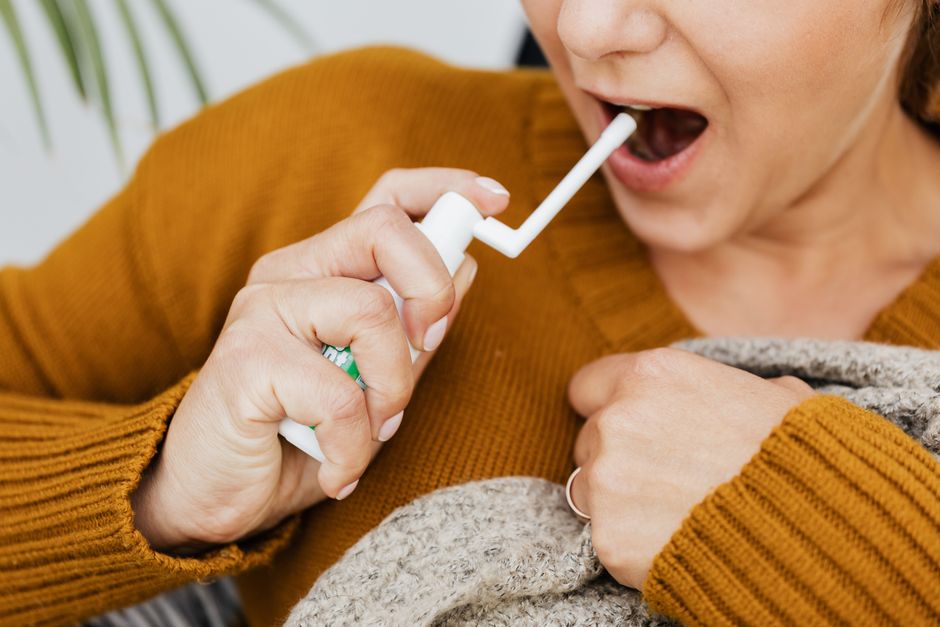
Over-the-counter oral gels and protective pastes can coat the sore and reduce pain. Some contain a mild local anesthetic. These do not speed healing, but they can make eating and talking less painful. Follow the label directions, and do not use them for longer than the package recommends without asking a pharmacist or doctor.
Good oral hygiene
Keep brushing gently with a soft-bristled brush, and avoid pressing directly on the sore. Floss as usual. A clean mouth tends to heal better, and gentle care reduces the chance of making the sore worse.
One clarification worth knowing: honey, coconut oil, and various herbal rinses are widely shared online as tongue sore remedies. Some small studies suggest certain ones may help with comfort, but the evidence is limited and mixed. They are not proven to heal sores faster. If you try them, treat them as comfort measures, not treatments.
What Helps a Sore Tongue Heal Faster?
There is no home remedy that reliably makes a minor tongue sore heal faster. The honest position is that most sores heal on their own, and home care mainly reduces pain and irritation while that happens.
What does seem to matter is removing whatever triggered the sore in the first place:
- If you bit your tongue or burned it, the sore will heal once the tissue repairs itself.
- If a sharp tooth edge or a rough filling is rubbing the area, having a dentist smooth it can stop the sore from returning.
- If you have recurring sores and eat a limited diet, a doctor can check for a vitamin B12, folate, or iron deficiency with a blood test.
- If a medication seems to trigger the sores, ask your prescriber before stopping anything — never stop a prescribed medicine on your own.
Topical treatments sold for mouth ulcers, including some gels and rinses, may reduce pain and, in some cases, shorten healing slightly. The effect is modest, and results vary. No product currently on the market is proven to cure a tongue sore outright.
When Should You See a Doctor About a Tongue Sore?
A tongue sore that lasts longer than two weeks should be checked by a doctor or dentist. That two-week mark is a widely used threshold in oral care, and it is the point at which a sore stops looking like a routine minor ulcer and starts needing a professional assessment.
See a clinician sooner if you notice any of the following:
- A sore that is growing, hard, or feels firm to the touch
- Bleeding that does not stop
- Numbness or loss of feeling in part of the tongue
- Trouble swallowing, chewing, or speaking
- A lump in the tongue, neck, or jaw
- Sores that keep returning, especially several at once
- Fever, weight loss, or feeling generally unwell alongside the sore
These signs do not mean something serious is present. They mean the sore cannot be safely managed at home and needs to be looked at. Oral cancers can begin as a sore that does not heal, and early detection matters. That is why the two-week rule exists — not to alarm you, but to catch the rare serious cause early.
Can You Prevent Tongue Sores?
Not all tongue sores can be prevented, but some triggers can be reduced. If you get recurring canker sores, the following steps may lower how often they appear:
- Use a soft-bristled toothbrush and brush gently.
- Choose toothpaste without sodium lauryl sulfate if you notice a pattern — some people with recurring canker sores find this helps.
- Avoid biting your lips, cheeks, or tongue.
- Manage stress where you can. Stress is often reported as a trigger, though the link is not fully understood.
- Eat a varied diet that covers B12, folate, iron, and zinc.
- See a dentist if a tooth or filling is rubbing your tongue.
If you get frequent sores despite these steps, talk to a doctor. Recurring mouth ulcers can be a sign of an underlying condition or a nutritional deficiency, and both are worth ruling out.
What Should You Not Do to a Tongue Sore?
Some common habits make a tongue sore worse or delay healing. Avoid the following:
- Do not apply aspirin, alcohol, or hydrogen peroxide directly to the sore. These can burn tissue and cause more irritation.
- Do not pick at or squeeze the sore.
- Do not use very hot or very salty rinses.
- Do not keep using a numbing gel beyond the label’s recommended time without medical advice.
- Do not ignore a sore that has lasted more than two weeks.
The urge to “do something” to a sore is understandable, but aggressive home treatment usually backfires. Gentle care and time do most of the work.
Frequently Asked Questions
How long does a sore on the tongue usually last?
Most minor tongue sores heal within one to two weeks without treatment. A sore that lasts longer than two weeks should be checked by a doctor or dentist.
Does salt water actually help a tongue sore?
A saltwater rinse can help keep the area clean and may reduce swelling and discomfort. It does not cure the sore or make it heal faster.
Can a tongue sore be a sign of something serious?
Most tongue sores are minor and heal on their own. A sore that does not heal within two weeks, bleeds, or comes with numbness or trouble swallowing needs a professional evaluation.
Should I pop or squeeze a tongue sore?
No. Picking at or squeezing a sore can make it worse and raise the chance of infection. Leave it alone and keep the area clean.
