
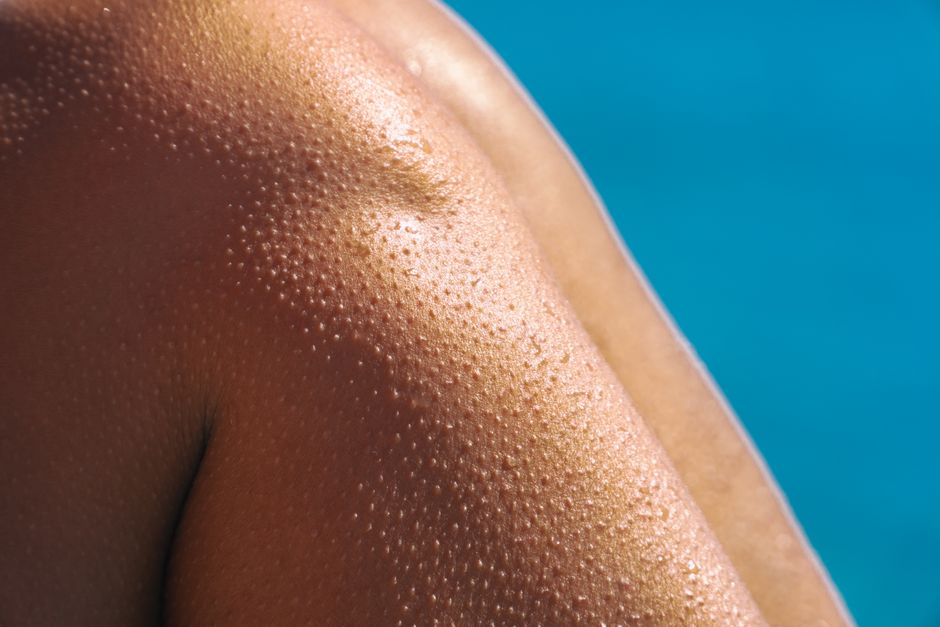
Skin texture issues are incredibly common, and they are not the same as acne or wrinkles. Textured skin usually feels rough, bumpy, or uneven to the touch, even if it looks relatively smooth in the mirror. The cause is often a buildup of dead skin cells, a lack of moisture, or tiny blockages in your pores. The fix depends on identifying which type of texture you have, because treating clogged pores is very different from treating dryness or rough patches.
What Does “Textured Skin” Actually Mean?
Texture is about how your skin feels, not just how it looks. When someone says their skin is textured, they usually mean it feels gritty, bumpy, or sandpaper-like. This is different from having a pimple or a cyst, which is a single inflamed spot.
Texture is a surface-level issue. It involves the top layer of skin, called the stratum corneum. This layer is made of dead skin cells held together by a lipid barrier. When that barrier is healthy, skin feels smooth. When it is disrupted or when dead cells pile up unevenly, you feel bumps and roughness.
Why Is My Skin Textured? Causes And Fixes
The most common cause of textured skin is a buildup of dead skin cells that do not shed properly. Normally, your skin sheds these cells about every 28 to 30 days. As you age, that process slows down. Instead of falling off, the cells stick together and create a rough, uneven surface.
This buildup can also mix with sebum, the natural oil your skin produces. When dead cells and oil combine inside a pore, they create a plug. These plugs are called comedones. They may be open, which look like blackheads, or closed, which look like small white or skin-colored bumps. Both create visible texture.
Dryness is another major cause. When the skin lacks water, the outer layer loses its flexibility. It becomes stiff and flaky. This creates a rough feeling that is often mistaken for clogged pores. Dry texture usually feels tight and looks dull, while clogged-pore texture feels bumpy and looks uneven.
What Are The Different Types Of Skin Texture?
Not all texture is the same. Knowing the difference is the first step to fixing it. Here are the main types dermatologists recognize:
- Clogged pores (comedones): Small, flesh-colored bumps or blackheads. They are common on the nose, chin, and forehead.
- Keratosis pilaris: Tiny, rough bumps on the backs of the arms, thighs, or sometimes the cheeks. They are caused by a buildup of keratin, a protein in the skin, blocking hair follicles.
- Dry, flaky patches: Rough areas that feel tight and may peel. These are a sign of a damaged moisture barrier, not clogged pores.
- Fine lines and crepey skin: A thin, wrinkled texture that often appears on the neck, chest, and under the eyes. This is related to collagen loss and sun damage.
- Enlarged pores: Pores that appear as small indentations on the skin surface. They are not actually holes but openings that have stretched due to oil buildup or loss of elasticity.
Each of these requires a different approach. Using a heavy moisturizer on keratosis pilaris will not help. Using a strong exfoliant on dry, flaky skin will make it worse.




How Do I Fix Textured Skin At Home?
For most people, fixing texture starts with exfoliation. This is the process of removing dead skin cells from the surface. There are two types: physical and chemical.
Physical exfoliants are scrubs with grains or beads. They work by friction. They can be effective, but they are easy to overdo. Scrubbing too hard or too often can create micro-tears in the skin, which leads to more inflammation and more texture. If you use a scrub, use gentle, circular motions for no more than 30 seconds.
Chemical exfoliants are acids that dissolve the bonds between dead skin cells. They are generally more predictable and gentler than scrubs. The most common types are alpha hydroxy acids (AHAs) and beta hydroxy acids (BHAs).
AHAs are water-soluble. They work on the surface of the skin to smooth rough patches and brighten dullness. Glycolic acid and lactic acid are common examples. BHAs are oil-soluble. They can penetrate into pores to dissolve the oil and dead cell plugs that cause comedones. Salicylic acid is the most common BHA.
If you have clogged pores, a BHA is the better choice. If you have dry, rough texture, an AHA is usually more helpful. Some products contain both. Start by using a chemical exfoliant two to three times per week. Over-exfoliating is a common mistake. It strips the skin barrier, leading to redness, stinging, and more flakes.
What Is The Best Skincare Routine For Texture?
A simple routine is more effective than a complicated one. The goal is to remove dead cells, keep the barrier intact, and protect against future damage.
In the morning, wash your face with a gentle cleanser. Follow with a moisturizer and a broad-spectrum sunscreen with SPF 30 or higher. Sunscreen is critical. UV damage breaks down collagen and thickens the outer layer of skin, both of which worsen texture over time.
In the evening, cleanse again to remove dirt and oil. On two or three nights per week, use your chemical exfoliant instead of a plain moisturizer. On the other nights, use a moisturizer that contains ceramides or hyaluronic acid. These ingredients help rebuild the skin barrier and hold in moisture.
Retinoids are another option. These are vitamin A derivatives that speed up cell turnover. They are considered the gold standard for treating texture because they normalize the shedding of dead skin cells. Adapalene is available over the counter. Stronger retinoids like tretinoin require a prescription. Retinoids can cause dryness and peeling when you start, so begin with a low concentration and use it only a few nights per week.
When Should I See A Dermatologist For Skin Texture?
If your texture does not improve after six to eight weeks of consistent exfoliation and moisturizing, see a dermatologist. Persistent texture can be a sign of a condition that needs medical treatment.
Keratosis pilaris often requires prescription-strength exfoliants or topical retinoids to improve. Some types of texture are caused by fungal overgrowth, which requires an antifungal treatment, not a standard acne product. If you have bumps that are itchy, inflamed, or spreading, do not guess. A doctor can determine the exact cause.
Dermatologists also offer in-office procedures for texture. Chemical peels use higher concentrations of acids to remove multiple layers of dead skin. Microneedling creates tiny wounds in the skin to stimulate collagen production. Laser resurfacing removes damaged outer layers. These procedures are effective but expensive, and they require downtime. They are not first-line treatments.
Are There Lifestyle Factors That Cause Textured Skin?
Yes. Diet and hydration play a role, though not in the way many online sources claim. Dehydration makes the skin feel tight and rough. Drinking enough water helps, but it will not cure clogged pores.
High-glycemic foods, like white bread and sugary snacks, can increase oil production in some people. This can worsen comedones. The evidence for a specific “acne diet” is mixed, but a diet high in processed foods does correlate with more breakouts in some studies.
Sleep and stress also matter. Poor sleep raises cortisol levels, which can increase inflammation and oil production. Chronic stress has a similar effect. These factors do not directly cause texture, but they can make existing texture worse.
What Mistakes Make Textured Skin Worse?
The biggest mistake is over-exfoliating. Using a scrub every day or layering multiple acids can strip the skin barrier. The skin responds by producing more oil to compensate, which leads to more clogged pores. It also causes inflammation, which makes the skin look red and feel rough.
Skipping moisturizer is another common error. People with oily skin often skip it because they think it will cause breakouts. But when the skin is dehydrated, it produces more oil. A light, oil-free moisturizer is still necessary.
Picking at bumps is the third mistake. Squeezing comedones damages the pore lining. This can cause scarring, which is permanent texture. Leave extractions to a professional if you need them.
Frequently Asked Questions
Can textured skin be fixed permanently?
Texture can be significantly improved, but it requires ongoing maintenance. Dead skin cells and oil production are natural processes that do not stop, so you need to keep exfoliating and moisturizing to maintain results.
Is textured skin the same as acne?
No. Acne involves inflamed, red pimples caused by bacteria and infection. Texture is a surface issue caused by dead skin buildup or clogged pores without inflammation. They can occur together, but they are treated differently.
How often should I exfoliate textured skin?
Start with two to three times per week. If your skin tolerates it without redness or stinging, you can gradually increase frequency, but most people do not need more than four times per week.
Does drinking water fix textured skin?
Water helps with overall skin hydration, which can reduce roughness from dryness. It will not remove clogged pores or treat keratosis pilaris. Hydration alone is rarely enough to fix texture.
