
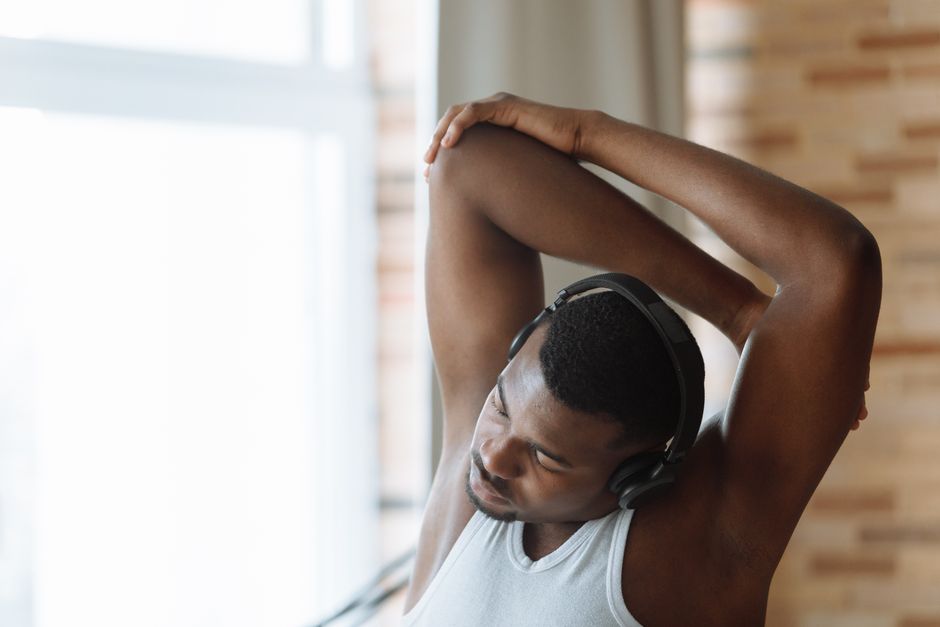
Wearing headphones does not directly damage your hair follicles or cause permanent hair loss. However, the physical pressure, friction, and traction from headbands and earcups can cause temporary hair breakage and a condition called traction alopecia. This type of hair loss is usually reversible if you catch it early and change how you wear your headphones. The root causes are mechanical stress on the hair shaft and prolonged tension on the follicle, not any internal damage from the device itself.
What Actually Happens to Your Hair Under Headphones
The hair on your scalp is made of a protein called keratin. It is strong, but it is not indestructible. When you wear headphones for hours, the band across the top of your head presses down on the hair. The earcups rub against the hair at your temples and behind your ears. This constant pressure and friction weakens the hair shaft over time.
Think of a rope rubbing against a rough edge. The fibers fray and snap. The same thing happens to individual strands of hair. This is called mechanical breakage. It is not the same as hair loss from the root. The hair is snapping off partway down the shaft, not falling out from the follicle.
There is also a condition called traction alopecia. This happens when hair is pulled tightly for long periods. Headphones do not pull hair the way a tight ponytail does. But the weight of heavy headphones can pull on hair at the crown. Over months or years, this sustained tension can inflame the follicle. If the follicle stays inflamed long enough, it can stop producing hair.
Can Headphones Cause Permanent Hair Loss?
Permanent hair loss from headphones is rare. The evidence for this is limited, and most dermatologists consider it an unlikely outcome. The key distinction is between temporary breakage and permanent follicle damage.
Temporary breakage happens when the hair shaft snaps. The follicle is fine. New hair will grow in its place. This is the most common headphone-related hair issue. It looks like hair loss because you see strands on your headphones or in the sink. But the follicle is alive and well.
Permanent loss requires the follicle itself to die. This happens in traction alopecia only after years of unrelenting tension. Headphones apply far less tension than a tight braid or weave. The pressure is distributed across a wide area. For a follicle to die, the tension must be constant and severe. Most people take their headphones off every few hours. That break is enough to prevent permanent damage in most cases.
If you notice thinning at the crown or temples and you wear heavy headphones daily, consider other causes first. Genetic hair loss, hormonal changes, and stress are far more common culprits. A dermatologist can examine your scalp and determine the true cause.
Why Some People Are More Prone to Headphone Hair Damage
Not everyone who wears headphones loses hair. Several factors increase your risk of mechanical breakage and traction issues.
Hair texture matters. Fine hair is more fragile than coarse hair. It snaps more easily under friction. Curly hair is also vulnerable because the hair shaft has natural weak points at the bends. Straight, coarse hair is the most resilient.
Hair treatment history matters too. Bleached, colored, or chemically straightened hair is already damaged. The outer cuticle is lifted and weakened. Adding headphone friction on top of that accelerates breakage. If your hair is already compromised, headphones can make the problem visible faster.
Tight hairstyles under headphones compound the problem. If you wear a tight bun or braid and then put on headphones, you are adding tension on top of tension. The combination is worse than either alone. Loose hair or a loose ponytail under headphones is far gentler on the follicles.




How to Tell If It Is Breakage or Real Hair Loss
Look at the ends of the hairs you find on your headphones. If the end is blunt or frayed, it is breakage. The hair snapped off. If the end has a tiny white bulb, that is a hair that fell out from the root. Finding some hairs with bulbs is normal. Everyone loses 50 to 100 hairs a day as part of the natural cycle.
Check where the thinning is happening. Breakage from headphones appears at the crown, temples, and where the band sits. It looks like shorter, uneven hairs in those spots. Real hair loss from the follicle often follows a pattern. In men, it typically starts at the temples and crown. In women, it usually presents as widening of the part line.
Pay attention to whether the hair grows back. Breakage grows back within weeks to months because the follicle is intact. If you stop wearing headphones for a month and see no improvement, the problem may not be headphones at all. At that point, see a doctor.
What Type of Headphones Are Safer for Your Hair
Not all headphones are equally hard on hair. The design matters significantly.
Over-ear headphones with a padded headband distribute weight across a larger surface. This reduces pressure on any single spot. Look for wide, cushioned bands rather than thin ones. The padding should be soft but not so thick that it puts more weight on your head.
On-ear headphones rest directly on the ears and press against the hair at the sides. They cause more friction at the temples than over-ear models. If you have fragile hair, over-ear headphones are generally a better choice.
Earbuds and in-ear monitors do not touch your hair at all. They are the safest option for anyone worried about hair damage. The tradeoff is that some people find them less comfortable for long listening sessions. If you are experiencing headphone-related breakage, switching to earbuds for a few months gives your hair time to recover.
Weight matters more than people realize. Heavy gaming headsets can weigh over a pound. That weight pulls on the hair at the crown. Lighter headphones in the 5 to 8 ounce range put far less tension on the hair and scalp.
How to Prevent Headphone Hair Damage
Prevention is straightforward. The goal is to reduce friction and relieve pressure before damage accumulates.
Take breaks every hour. Removing headphones for even five minutes allows the scalp to recover. Blood flow returns to the compressed area. The hair follicles get a brief reprieve from tension.
Wear your hair loose under headphones. Avoid buns, tight ponytails, and braids. If you must tie your hair back, use a loose scrunchie rather than a tight elastic. Position the ponytail low on the neck so it does not sit directly under the headband.
Move the headphones periodically. Shift the band forward or backward by half an inch every hour. This changes which hairs are under pressure. It prevents one specific area from bearing the entire weight for hours.
Use a silk or satin head wrap under your headphones. These fabrics create less friction than cotton or synthetic materials. The smooth surface lets the headband slide rather than tug. This is a common trick among people who wear headphones for work all day.
Keep your hair healthy overall. Condition regularly. Avoid excessive heat styling. Strong, well-moisturized hair resists breakage far better than dry, damaged hair. This is not a cure for traction alopecia, but it reduces the mechanical breakage component.
When to See a Doctor
Most headphone-related hair issues resolve on their own with changes in habits. But some situations warrant professional evaluation.
See a dermatologist if you notice patchy bald spots, widespread thinning, or hair loss that continues even after you stop wearing headphones. These can be signs of alopecia areata, telogen effluvium, or androgenic alopecia. These conditions require proper diagnosis and treatment. They will not resolve just by changing your headphone habits.
Also see a doctor if your scalp is red, painful, itchy, or scaly under the headphone band. This could indicate a contact dermatitis from the headphone materials. Some people are allergic to the synthetic leather or foam used in padding. A dermatologist can identify the irritant and recommend alternatives.
Be honest with your doctor about your headphone use. Tell them how many hours per day you wear them and for how many years. This information helps them assess whether traction is a plausible cause. They may also run blood tests to rule out thyroid issues, iron deficiency, or vitamin deficiencies that commonly cause hair loss.
Frequently Asked Questions
Can headphones cause permanent bald spots?
Permanent bald spots from headphones are rare and require years of constant, severe pressure on the same area. Most headphone-related hair issues are temporary breakage that grows back within months.
Do wireless headphones damage hair more than wired ones?
No. The technology inside the headphones does not affect hair. The physical design, weight, and how they sit on your head determine the risk of hair damage.
How long does it take for headphone hair breakage to grow back?
Hair grows about half an inch per month. If the follicle is intact, broken hairs will regrow within 2 to 4 months depending on how short they snapped off.
Are there headphones designed specifically to prevent hair loss?
No headphones are clinically proven to prevent hair loss. Some designs reduce pressure with wider padding or lighter materials, but no manufacturer has published clinical evidence supporting hair-loss prevention claims.
