
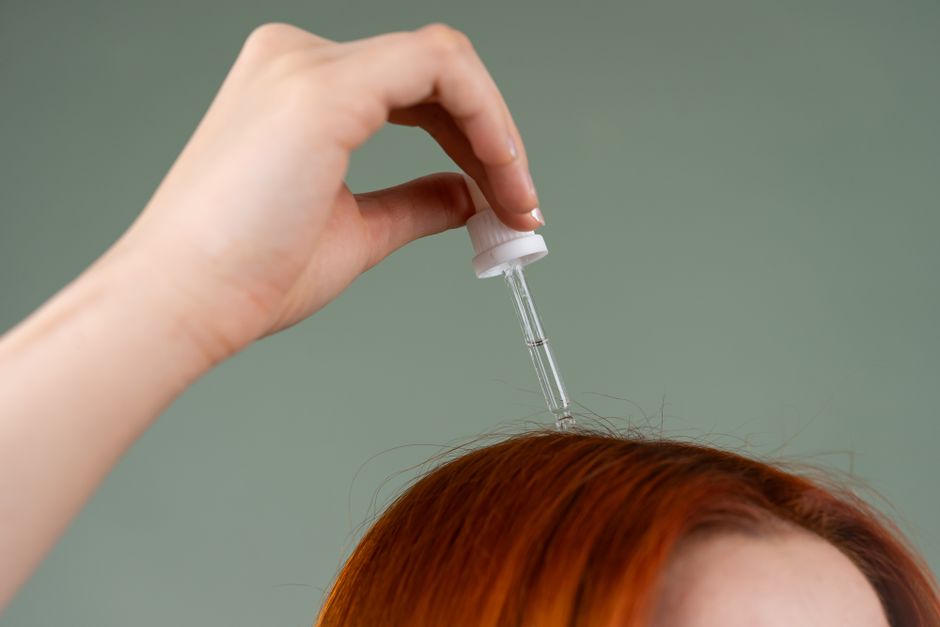
A flaky scalp is usually one of two things, and they are not the same condition. Dandruff is a scalp condition driven by oil and a common yeast that lives on everyone’s skin. Dry scalp is a loss of moisture that leaves skin tight, itchy, and shedding small flakes. The reason this matters is that the two problems need opposite approaches. Treating dry scalp with a strong anti-dandruff shampoo can make it worse, and treating dandruff with heavy moisturizing products usually does nothing.
Why Is My Scalp Flaky Dandruff Vs Dry Scalp? The Reason
The core difference comes down to oil. Dandruff flakes form in an oily environment. Dry scalp flakes form when the skin lacks moisture.
Your scalp, like the rest of your skin, constantly sheds dead cells. Normally this happens invisibly, one tiny cell at a time. When something disrupts that process, cells clump together and shed in visible flakes. What disrupts the process is where dandruff and dry scalp part ways.
With dandruff, the trigger is a yeast called Malassezia. It lives on the scalps of most healthy adults. It feeds on sebum, the oil your scalp produces. In some people, the body reacts to the yeast or its byproducts with inflammation, and the skin cell turnover speeds up. Cells that would normally take about a month to mature get pushed to the surface faster, so they shed in clumps before they fully break down. The result is larger, greasier flakes, often yellowish or white, and usually accompanied by an oily scalp.
With dry scalp, there is no yeast overgrowth driving the problem. The skin is simply not holding enough water. Sebum production is low, so there is less oil to seal in moisture. The skin barrier weakens, becomes irritated, and sheds as small, dry, white flakes. The scalp often feels tight rather than oily.
A useful way to think about it: dandruff is an oil problem with an immune reaction. Dry scalp is a moisture problem with a barrier issue. Same visible symptom, opposite underlying cause.
How Can You Tell Dandruff and Dry Scalp Apart?
You can usually tell them apart by looking at the flakes and feeling your scalp, not just your hair.
Dandruff flakes tend to be larger, thicker, and greasy. They may look yellow or slightly gray. They cling to the hair and scalp rather than falling freely. The scalp underneath often looks oily or mildly red. Itching is common and can be persistent.
Dry scalp flakes are smaller and thinner, usually white. They brush off easily and tend to fall onto the shoulders and clothing. The scalp feels dry and tight, and there is often less oil on the scalp overall. Dry scalp frequently comes with dry skin elsewhere on the body, especially in cold weather or low humidity.
Location matters too. Dandruff tends to concentrate in oily zones: the hairline, behind the ears, and along the eyebrows. Dry scalp can appear anywhere on the scalp but often follows the same pattern as dry skin on the arms and legs.
One thing that complicates the picture: you can have both at once. Seborrheic dermatitis, a more inflammatory form of dandruff, can cause redness and scaling that looks dry in places but is still driven by the same oil-and-yeast process. If flaking is severe, red, or crusty, that is a reason to see a clinician rather than self-diagnose.
What Causes Dandruff to Flare Up?
Dandruff is not caused by poor hygiene, and it is not contagious. It is a reaction to a yeast that is already present on your skin.
Several factors can push it from quiet to visible:
- Oily skin and a high-sebum scalp give the yeast more to feed on.
- Cold, dry weather can worsen flaking, though the mechanism differs from true dry scalp.
- Stress is commonly reported as a trigger, though the exact pathway is not fully pinned down.
- Certain neurological conditions, including Parkinson’s disease, are associated with more severe seborrheic dermatitis.
- A weakened immune system can make dandruff worse and harder to control.
Age plays a role. Dandruff usually begins around puberty, when oil production rises, and is most common in adults. It can fade with age as sebum production declines.
The yeast itself is not the whole story. Nearly everyone carries Malassezia, but not everyone gets dandruff. That tells us the difference is largely in how each person’s skin reacts to it, not in whether the yeast is present at all.




What Causes Dry Scalp?
Dry scalp is a moisture and barrier problem, and it has more in common with dry skin on your hands than with dandruff.
Common contributors include:
- Cold weather and low indoor humidity, which pull moisture from the skin.
- Frequent washing with harsh or stripping shampoos that remove natural oils.
- Hot water, which strips oil more aggressively than warm water.
- Age, since oil production tends to decline over time.
- Overall dry skin tendencies, which often run in families.
Some people also react to ingredients in hair products. Contact irritation from fragrances, dyes, or preservatives can cause flaking and itching that looks like dry scalp but is actually a mild reaction to a product.
There is a myth worth correcting here. Dry scalp is not caused by not drinking enough water in most cases. Hydration matters for overall health, but scalp flaking is usually about what is happening on the skin surface, not your daily water intake.
Does Dandruff Mean Your Scalp Is Dry?
No. This is one of the most common misunderstandings about flaking.
Dandruff is associated with an oily scalp, not a dry one. The flakes look dry and white to the eye, which is why people assume the scalp is dry and reach for moisturizing products. But the underlying process is driven by oil and yeast. Adding heavy oils or creams can feed the yeast and make things worse.
This is also why anti-dandruff shampoos work for dandruff and not for dry scalp. They target the yeast and help normalize cell turnover. They do not add moisture. Used on a genuinely dry scalp, they can strip oil further and increase flaking.
If you are unsure which you have, the flake texture and scalp oiliness are your best clues. Greasy, larger flakes point to dandruff. Small, dry flakes on a tight, non-oily scalp point to dryness.
How Are Dandruff and Dry Scalp Treated Differently?
Because the causes are different, the treatments are different. Using the wrong one is a common reason flaking does not improve.
For dandruff, the goal is to reduce the yeast and calm the inflammation. Ingredients that have evidence behind them include zinc pyrithione, ketoconazole, selenium sulfide, and salicylic acid. These are available in over-the-counter shampoos, and some stronger versions require a prescription. Many clinicians recommend using an anti-dandruff shampoo regularly rather than only when flakes appear, because the yeast returns between uses. If one ingredient does not help after a reasonable trial, switching to a different active ingredient is a common next step. Persistent or severe cases may need a clinician’s input.
For dry scalp, the goal is to restore moisture and protect the skin barrier. That means gentler, less stripping shampoos, less frequent washing, and warm rather than hot water. Moisturizing ingredients and scalp oils can help. Avoiding harsh products and irritants matters more than adding anything special.
If your scalp is red, swollen, crusty, oozing, or the flaking is severe and not responding to over-the-counter options, that is a signal to see a doctor or dermatologist. Several conditions can look like dandruff, including psoriasis and eczema, and they need different treatment.
Can You Have Both Dandruff and Dry Scalp?
Yes, and it is more common than people realize.
A scalp can be prone to dandruff and also become dry from cold weather, overwashing, or harsh products. When that happens, the flakes may be a mix of greasy and dry, and the scalp may feel both irritated and tight. This can make self-diagnosis tricky.
In these cases, the practical approach is to treat the dandruff with an appropriate shampoo while also reducing habits that dry the scalp out. That might mean using a gentler shampoo between anti-dandruff treatments, cutting back on hot water, and avoiding products that irritate the skin.
If you cannot tell what is driving your flaking, or if it is not improving with consistent care, a dermatologist can examine your scalp and give you a clear answer. That is faster and more reliable than guessing and switching products repeatedly.
Frequently Asked Questions
Is flaky scalp always dandruff?
No, flaking can come from dandruff, dry scalp, psoriasis, eczema, or a reaction to hair products. The flake texture and how oily your scalp feels are the best clues to which one you have.
Does dandruff mean my scalp is dry?
No, dandruff is linked to an oily scalp and a reaction to a common yeast, not dryness. The flakes look dry, which is why this mix-up happens so often.
Can I use anti-dandruff shampoo on a dry scalp?
It is not the right match, because these shampoos target yeast and oil rather than adding moisture. On a genuinely dry scalp they can strip oil further and increase flaking.
When should I see a doctor for a flaky scalp?
See a clinician if your scalp is red, swollen, crusty, or oozing, or if flaking is severe and does not improve with over-the-counter products. These signs can point to conditions that need different treatment.
