
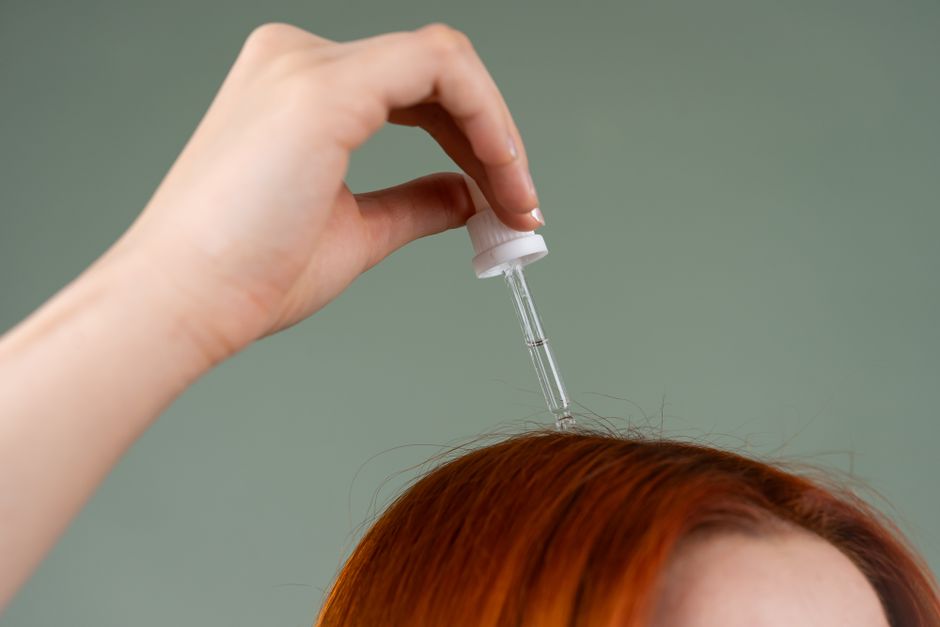
A burning scalp with hair loss is a specific combination of symptoms, not just a bad hair day. It usually points to inflammation or irritation at the hair follicle level, and the most common cause is a group of conditions dermatologists call scarring and non-scarring alopecia, along with inflammatory scalp disorders. The burning sensation matters because it signals active inflammation, which is different from the simple shedding most people experience after stress or a change in diet.
When burning and shedding happen together, the scalp is telling you something is irritating the follicles directly. That can be an inflammatory skin condition, an allergic reaction, an infection, or a nervous system response. Some causes are temporary and reverse on their own. Others can permanently damage follicles if they are not addressed. That difference is why this symptom pair deserves a real diagnosis rather than a guess.
Why Is My Scalp Burning And My Hair Falling Out?
The burning comes from inflammation or nerve irritation in the scalp skin, and the hair loss comes from that same process affecting the follicles. Hair follicles sit deep in the dermis, surrounded by blood vessels, nerves, and immune cells. When the immune system targets the follicle or the skin around it, you get both sensations and shedding at the same time.
Inflammatory scalp conditions release chemicals like histamine, prostaglandins, and cytokines. These chemicals sensitize local nerve endings, which is what you feel as burning, stinging, or a hot sensation. The same inflammatory process can push follicles into a resting phase prematurely, causing them to shed weeks later.
The timing matters. Because hair grows in cycles, shedding often appears two to three months after the trigger, even if the burning started immediately. That delay is one reason people struggle to connect the two symptoms.
Not every burning scalp means permanent damage. Many cases involve follicles that are inflamed but not destroyed, and hair regrows once the inflammation is controlled. The key distinction is whether the follicle itself is being scarred.
What Conditions Cause A Burning Scalp With Hair Loss?
Several distinct conditions produce this symptom pair, and they are treated very differently. A dermatologist can usually tell them apart by examining the scalp directly, sometimes with a small skin biopsy.
- Folliculitis — inflammation or infection of the hair follicles, often from bacteria or fungi. Causes tender, burning bumps and patchy shedding.
- Seborrheic dermatitis — a common inflammatory condition causing flaking, redness, and itching, sometimes with a burning quality, particularly along the hairline.
- Contact dermatitis — an allergic or irritant reaction to hair dye, shampoo, or styling products. Burning is often immediate and localized.
- Lichen planopilaris — a scarring form of alopecia where the immune system attacks the follicle. Burning and itching are common, and hair loss can be permanent if untreated.
- Central centrifugal cicatricial alopecia — a scarring hair loss that starts at the crown, more common in women of African descent, often with burning or tenderness.
- Telogen effluvium — diffuse shedding after stress, illness, or hormonal shifts. It usually does not cause burning on its own, so burning points toward an added inflammatory component.
- Trichodynia — a scalp pain or burning sensation that can accompany hair shedding. It is a symptom rather than a disease on its own.
Some of these conditions overlap. A person can have seborrheic dermatitis and telogen effluvium at the same time, which muddies the picture. This is exactly why self-diagnosis tends to fail here.
How Do Scarring And Non-Scarring Hair Loss Differ?
This is the single most important distinction for anyone with a burning scalp. Scarring alopecia destroys the follicle permanently. Non-scarring alopecia does not.
In scarring alopecia, inflammation damages the stem cells in the follicle’s upper region. Once those are gone, the follicle cannot regrow hair. The scalp may look shiny, smooth, and slightly discolored in the affected area, and the burning is often a sign the disease is active.
In non-scarring alopecia, the follicle stays intact. Hair can regrow once the trigger is removed or the inflammation is controlled. The scalp may look normal or slightly red, and shedding is often diffuse rather than patchy.
| Feature | Scarring Alopecia | Non-Scarring Alopecia |
|---|---|---|
| Follicle damage | Permanent | Reversible |
| Scalp appearance | Shiny, smooth, discolored | Often normal or mildly red |
| Burning sensation | Common, often signals active disease | Possible but less typical |
| Regrowth potential | Limited once scarred | Usually possible |
Burning is more closely linked to scarring forms, which is why it should never be ignored. If you have burning plus visible scalp changes, that combination deserves prompt medical attention rather than a wait-and-see approach.





When Should You See A Doctor About A Burning Scalp?
See a dermatologist if the burning lasts more than a few days, if you notice patches of hair loss, or if the scalp looks red, shiny, or scaly. These are signs that something beyond ordinary shedding is happening.
Certain red flags should push you to seek care quickly:
- Visible bald patches, especially with smooth or shiny skin
- Burning that does not improve or keeps spreading
- Pus, crusting, or open sores on the scalp
- Hair loss that continues despite stopping new products
- Symptoms that started after a new medication
Early diagnosis matters most for scarring conditions. Once a follicle is scarred, treatment can slow or stop further loss but generally cannot bring the hair back. That window is why “wait and see” is the wrong move when burning and shedding appear together.
Dermatologists may use a dermoscope to look at the follicles up close, pull a few hairs for examination, or take a small scalp biopsy. These steps are routine and help separate conditions that look similar on the surface.
What Makes A Burning Scalp Worse?
Tight hairstyles, harsh chemicals, and heat styling all add mechanical and chemical stress to an already inflamed scalp. If the follicles are irritated, pulling and heat can worsen both the burning and the shedding.
Frequent hair dyeing, especially with products containing paraphenylenediamine, is a known trigger for allergic contact dermatitis. Some people develop a reaction after years of use with no prior problem. Once sensitized, even small exposures can cause a burning reaction.
Overwashing with strong shampoos strips the scalp’s natural barrier, which can worsen irritation in people with seborrheic dermatitis. Underwashing, on the other hand, lets oil and yeast build up, which fuels the same condition. The right balance depends on your specific scalp.
Stress does not cause burning directly, but it can amplify scalp sensitivity and trigger shedding. It is a contributing factor, not usually the root cause of a burning scalp.
What Does Treatment Usually Involve?
Treatment depends entirely on the diagnosis, which is why guessing is unwise. What helps one condition can make another worse.
For inflammatory conditions like seborrheic dermatitis, medicated shampoos containing ingredients such as ketoconazole, zinc pyrithione, or selenium sulfide are commonly used. These target the yeast and inflammation involved in that specific condition.
For scarring alopecias, dermatologists often prescribe anti-inflammatory medications, sometimes including topical or injected corticosteroids, and in some cases oral medications. The goal is to stop the inflammation before more follicles are lost. Some clinicians also recommend antibiotics for their anti-inflammatory effects in certain scarring conditions.
For contact dermatitis, the fix is removing the trigger. That may mean switching to fragrance-free, dye-free products and avoiding the specific allergen.
For telogen effluvium, treatment focuses on the underlying trigger — correcting a nutritional deficiency, managing a thyroid issue, or allowing recovery time after illness or stress. Burning usually resolves once the trigger is addressed.
No single treatment works for all causes, and no over-the-counter product is proven to reverse scarring alopecia. Anyone claiming otherwise is selling something the evidence does not support.
Can A Burning Scalp Heal On Its Own?
Some cases do resolve without treatment. Mild contact dermatitis clears once the irritant is removed. Telogen effluvium from a temporary stressor typically resolves over several months as the hair cycle normalizes.
Scarring alopecias generally do not heal on their own. They tend to progress without treatment, and the damage accumulates. Because early stages can look mild, people often delay care until hair loss is obvious, which is when treatment options narrow.
There is no reliable way to tell from symptoms alone whether your case will resolve or progress. That uncertainty is the strongest argument for getting an evaluation rather than waiting it out.
What Should You Do First?
Stop any new hair products you started recently, avoid tight styles and heat, and book an appointment with a dermatologist. Take photos of your scalp over time so you can track changes objectively.
Do not start prescription-strength treatments on your own. Some topical steroids can thin the skin if used incorrectly, and the wrong treatment for a scarring condition can waste the window when intervention matters most.
If you are also losing hair diffusely without burning, that is a different situation with different causes — often related to thyroid function, iron levels, or hormonal shifts. Burning plus shedding is the specific combination that points toward an inflammatory process.
Frequently Asked Questions
Is a burning scalp with hair loss serious?
It can be, because burning often signals active inflammation that may be damaging follicles. Scarring forms of hair loss can become permanent if not treated early, so it should be evaluated by a dermatologist.
Can stress cause a burning scalp and hair loss?
Stress can trigger diffuse shedding and heighten scalp sensitivity, but it rarely causes burning on its own. Burning usually points to an inflammatory or allergic cause that needs separate evaluation.
Will my hair grow back after a burning scalp?
It depends on whether the follicle was scarred. Non-scarring conditions usually allow regrowth once the trigger or inflammation is controlled, while scarring alopecia can cause permanent loss.
What shampoo helps a burning scalp with hair loss?
Medicated shampoos with ingredients like ketoconazole or zinc pyrithione are commonly used for inflammatory scalp conditions such as seborrheic dermatitis. The right choice depends on your diagnosis, so ask a dermatologist before self-treating.
