
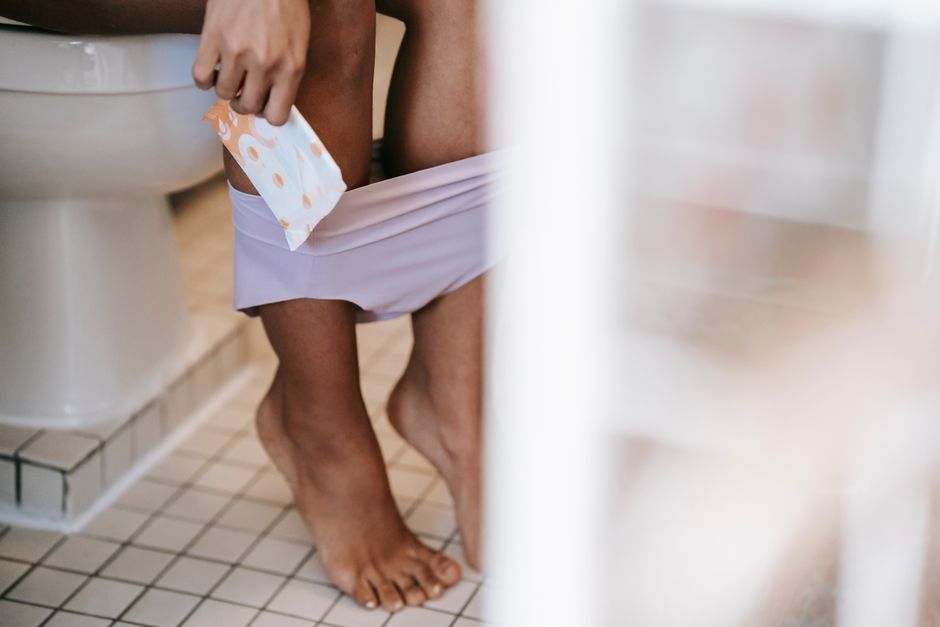
Watery stool, or diarrhea, happens when the colon does not absorb enough fluid from waste or when it pushes food through too quickly. Most cases clear up in a day or two without treatment. You should worry if it lasts more than 48 hours, comes with a fever over 101°F, or you see blood or mucus. Dehydration is the real risk, especially for older adults. The CDC reports that diarrhea causes roughly 1.5 million doctor visits in the US each year. Knowing the difference between a passing bug and something that needs medical attention is what matters most.
What Actually Causes Watery Stool?
The causes of watery stool fall into a few clear categories. Infections are the most common. Viruses like norovirus and rotavirus cause acute diarrhea that hits fast and usually stops within three days. The CDC states norovirus is the leading cause of vomiting and diarrhea in the United States. Bacterial infections from salmonella, E. coli, or campylobacter often come from undercooked food or contaminated water. These can last longer and sometimes need antibiotics.
Food intolerances are another major cause. Lactose intolerance affects about 68 percent of the global population according to the National Institutes of Health. When your body lacks enough lactase enzyme, undigested lactose pulls water into the bowel. The result is watery stool within hours of eating dairy. Gluten sensitivity and artificial sweeteners like sorbitol and xylitol can do the same thing.
Digestive disorders like irritable bowel syndrome (IBS) and inflammatory bowel disease (IBD) cause chronic or recurring watery stool. IBS affects 10 to 15 percent of Americans according to the American College of Gastroenterology. Unlike a stomach bug, IBS diarrhea comes and goes with stress or certain foods for months or years. IBD like Crohn’s disease or ulcerative colitis involves inflammation that damages the intestinal lining. This is a different condition entirely and requires a gastroenterologist for diagnosis.
Medications are a common cause people overlook. Antibiotics kill gut bacteria including the good ones. Without enough healthy bacteria, the colon cannot absorb water properly. Metformin, some blood pressure drugs, and antacids containing magnesium can also loosen stool. If watery stool started shortly after a new medication, that is likely the cause.
How Long Is Too Long For Watery Stool?
Acute diarrhea lasts less than two weeks. Most viral cases resolve in 48 to 72 hours. Persistent diarrhea lasts two to four weeks. Chronic diarrhea continues for more than four weeks. These timeframes come from the American Gastroenterological Association and are standard in clinical practice.
If watery stool stops after a day or two, there is usually nothing to worry about. Your body cleared the infection or irritant on its own. If it continues beyond 48 hours without improvement, see a doctor. The risk of dehydration increases significantly after that point. For children under five and adults over 65, the risk is higher and the timeline is shorter. The World Health Organization recommends medical attention for diarrhea lasting more than 24 hours in these age groups.
Blood in the stool changes the timeline entirely. Even one episode of bloody diarrhea needs evaluation. It can indicate a bacterial infection that requires antibiotics or an inflammatory bowel condition. Do not wait to see if it clears up on its own.
Why Is My Poop Watery Causes And When To Worry — The Dehydration Risk
Dehydration is the most serious complication of watery stool. When the body loses fluid faster than it can replace it, electrolyte balance shifts. This affects the heart, kidneys, and brain. The National Institutes of Health reports that severe dehydration is a leading cause of hospitalization for diarrhea-related illness in the US.
Signs of dehydration include dark urine, dry mouth, feeling dizzy when standing, and urinating less than usual. For infants and young children, watch for fewer wet diapers, crying without tears, and unusual sleepiness. If any of these appear, start rehydration immediately.
Plain water is not the best choice for rehydration during diarrhea. Water does not contain the electrolytes and glucose the intestines need to absorb fluid. Oral rehydration solutions like Pedialyte or generic versions have the right balance. The World Health Organization’s oral rehydration salts formula is the gold standard and costs pennies per dose. Sports drinks have too much sugar and too little sodium to work as well.
| Symptom | Home Care | See a Doctor |
|---|---|---|
| Watery stool for 24 hours | Rest, clear fluids, oral rehydration solution | No improvement after 48 hours |
| Mild dehydration (dry mouth, dark urine) | Oral rehydration solution, small frequent sips | Cannot keep fluids down for 12 hours |
| Blood or mucus in stool | None — do not treat at home | Immediately |
| Fever over 101°F | Acetaminophen, fluids | Fever lasts more than 3 days |
| Severe abdominal pain | Heating pad, rest | Pain is constant or worsening |



What Actually Helps Stop Watery Stool?
The first step is letting it run its course if it is mild. Diarrhea is the body’s way of flushing out an infection. Stopping it too early with medication can keep the infection in your system longer. The Infectious Diseases Society of America recommends against using anti-diarrheal drugs if you have a fever or bloody stool.
Oral rehydration is the only intervention with strong evidence behind it. Studies published in the New England Journal of Medicine confirm that oral rehydration solution reduces the duration and severity of diarrhea in both children and adults. Sip small amounts frequently rather than drinking large volumes at once. This gives the intestines time to absorb the fluid.
The BRAT diet — bananas, rice, applesauce, toast — is widely recommended but the evidence for it is surprisingly weak. Some studies suggest it helps firm up stool, but it is low in nutrients and protein. A better approach is eating normally with a focus on bland, low-fiber foods. Avoid greasy, spicy, or high-fiber foods until stool returns to normal. Probiotics may help. Research in the journal Clinical Gastroenterology and Hepatology found that certain strains like Lactobacillus rhamnosus GG can shorten diarrhea duration by about one day. The effect is modest but real.
Over-the-counter loperamide (Imodium) is effective for non-infectious diarrhea. It slows gut movement and allows more water absorption. Do not use it if you suspect a bacterial infection or if you have blood in your stool. Bismuth subsalicylate (Pepto-Bismol) can reduce stool frequency but may turn your tongue and stool black. That is harmless but alarming if you are not expecting it.
Common Misconceptions About Watery Stool
One widespread myth is that diarrhea means you need to stop eating completely. That is not true. Your intestines still absorb nutrients even during diarrhea. Eating small, bland meals actually helps the gut lining recover. Starving yourself prolongs the process and depletes energy stores.
Another misconception is that diarrhea always means an infection. Medications, food intolerances, and stress-induced IBS are just as common. If watery stool happens regularly but you feel fine otherwise, an infection is unlikely. Keep a food and symptom diary for a week. Patterns often reveal the real cause.
Many people believe that drinking more water alone will prevent dehydration. As discussed earlier, water lacks the electrolytes your body needs during diarrhea. Oral rehydration solution is measurably better. The difference matters most for children and older adults.
Some think that if diarrhea stops suddenly, the infection is gone. That is not always true. Some bacteria like C. difficile can cause a rebound infection after symptoms seem to resolve. If watery stool returns within a week of stopping, see a doctor. C. difficile infections are rising in the US according to the CDC and require specific antibiotics.
When To See A Doctor — The Clear Red Flags
Some situations require medical attention without delay. Blood in the stool is the most urgent sign. It can indicate a serious bacterial infection, internal bleeding, or inflammatory bowel disease. Do not wait to see if it clears.
Severe abdominal pain that does not improve or gets worse over several hours needs evaluation. Pain accompanied by vomiting, especially if you cannot keep any fluids down for more than 12 hours, is another red flag. This increases dehydration risk rapidly.
Signs of severe dehydration include confusion, rapid heart rate, sunken eyes, and skin that does not bounce back when pinched. These require emergency care. For infants, a sunken soft spot on the head is a serious sign.
Chronic watery stool that has lasted more than four weeks needs a workup. Your doctor may test for celiac disease, thyroid disorders, or microscopic colitis. These conditions are treatable but often missed because people assume it is just a sensitive stomach. The American College of Gastroenterology recommends testing for anyone with chronic diarrhea and no clear cause.
Frequently Asked Questions
Can stress cause watery stool?
Yes. Stress triggers the gut-brain axis and can speed up bowel transit time. This is common in people with IBS and often resolves when stress levels drop.
Is it safe to take Imodium for watery stool?
It is safe for non-infectious diarrhea without fever or blood. Do not take it if you suspect a bacterial infection or have bloody stool.
What is the fastest way to stop watery stool?
Oral rehydration solution and the BRAT diet are the fastest safe options. Anti-diarrheal medication works faster but should only be used when appropriate.
Does watery stool always mean food poisoning?
No. Viral infections, medications, food intolerances, and digestive disorders are all common causes. Food poisoning is one possibility among many.
