
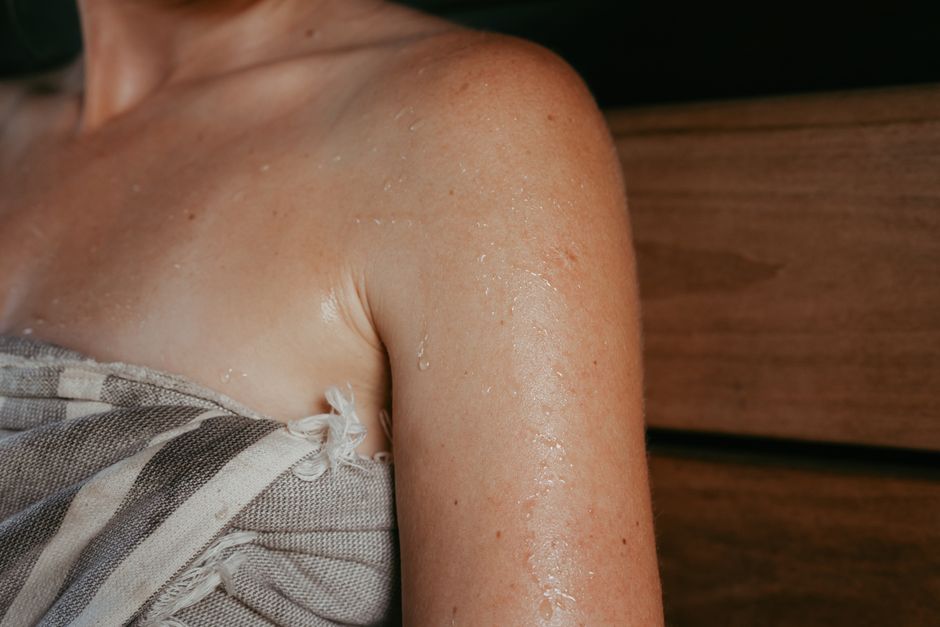
Waking up drenched in sweat is unsettling, but it is also surprisingly common. Night sweats are episodes of excessive sweating during sleep that soak your clothes and sheets, and they are not caused by a heavy blanket or a warm room. For most people, the cause is harmless and temporary, but occasionally, night sweats signal an underlying medical condition that deserves attention. The key is to look at the pattern of your sweating and the symptoms that come with it.
What Actually Causes Night Sweats?
Your body regulates temperature through a part of the brain called the hypothalamus. During sleep, your core temperature naturally drops slightly. When something disrupts that process, your body may overreact and produce sweat to cool down. The result is the drenching sweat you wake up to.
The most common causes fall into a few clear categories. Hormonal changes are at the top of the list. Menopause is the classic cause for women, but perimenopause — the years leading up to menopause — can also trigger night sweats. Men experience hormonal shifts too, particularly a natural decline in testosterone with age, though this is a less common trigger.
Infections are another frequent cause. Even a mild viral illness can cause night sweats as your immune system fights off the infection. More serious infections like tuberculosis or HIV can also present with night sweats, though these are far less common in the general population.
Medications are a surprisingly frequent culprit. Antidepressants, hormone therapy, diabetes medications, and some pain relievers list night sweats as a side effect. If you started a new medication recently, that timing matters.
Why Do I Wake Up Sweating And When Should I Worry?
The honest answer is that most night sweats do not indicate a serious problem. If you are a woman in your late 40s or 50s, hormonal changes are the most likely explanation. If you have a mild infection, the sweating should stop within a week. If you recently changed medications, the side effect often fades as your body adjusts.
You should worry when the night sweats come with other symptoms. A fever that does not break, unexplained weight loss, persistent fatigue, or pain that will not go away are red flags. Night sweats that happen every night for weeks without explanation also warrant a conversation with your doctor.
One specific pattern deserves attention: drenching sweats that force you to change your clothes or sheets. That level of sweating is not normal thermoregulation. It is a symptom worth investigating.
What Medical Conditions Are Linked to Night Sweats?
Several medical conditions list night sweats as a primary symptom. Understanding them helps you know what your doctor might consider.
Hyperthyroidism — an overactive thyroid gland speeds up your metabolism. This raises your body temperature and can cause night sweats along with weight loss, rapid heartbeat, and anxiety. A simple blood test measures thyroid hormone levels.
Diabetes — low blood sugar at night, called nocturnal hypoglycemia, can trigger sweating. If you take insulin or other diabetes medications, night sweats may indicate your dose needs adjustment. This is especially important because nighttime hypoglycemia can be dangerous if untreated.
Cancers — lymphoma and leukemia are the cancers most commonly associated with night sweats. It is important to state this plainly: night sweats alone are rarely the first sign of cancer. When cancer causes night sweats, they typically come with fever, weight loss, and swollen lymph nodes.
Autoimmune disorders — conditions like rheumatoid arthritis or lupus can cause inflammation that disrupts temperature regulation. Night sweats in these conditions usually accompany joint pain, rash, or fatigue.
Sleep apnea — obstructive sleep apnea causes breathing to stop briefly during sleep. This stresses the body and can trigger sweating. Loud snoring, gasping during sleep, and morning headaches are common companions.
This list is not exhaustive, but it covers the conditions doctors most commonly consider.




How Do Doctors Evaluate Night Sweats?
Your doctor will start with a detailed history. Be ready to answer questions about when the sweating started, how often it happens, what medications you take, and what other symptoms you have noticed. This information is often enough to point in the right direction.
The physical exam focuses on your thyroid, lymph nodes, and heart. Your doctor may check your temperature and blood pressure. Based on those findings, they may order blood tests.
Common tests include a complete blood count, thyroid function tests, and blood glucose measurement. Depending on your symptoms, your doctor might also test for infections or order imaging studies. The evaluation is guided by your specific situation, not a standard checklist.
If no clear cause emerges, your doctor may refer you to a specialist. An endocrinologist handles hormonal issues, an infectious disease specialist evaluates persistent infections, and a sleep specialist can assess for sleep apnea.
What Can You Do at Home to Reduce Night Sweats?
Several practical strategies can help, even before you know the underlying cause. These do not treat the root problem, but they improve comfort and sleep quality.
- Keep your bedroom cool — aim for around 65°F (18°C) or lower at night.
- Use moisture-wicking bedding and pajamas designed to pull sweat away from your skin.
- Layer your bedding so you can remove blankets during the night without fully waking.
- Avoid spicy foods, caffeine, and alcohol in the evening. All three can raise body temperature or dilate blood vessels.
- Keep a glass of cold water by your bed and sip it if you wake up hot.
These measures are safe for anyone. They are not substitutes for medical evaluation when the sweating is persistent or severe.
When Should You See a Doctor?
Schedule an appointment if you experience any of the following:
- Night sweats that happen most nights for more than two weeks
- Sweating severe enough to soak through your clothes and sheets regularly
- Unexplained weight loss alongside the sweating
- A fever that comes and goes without an obvious cause
- Persistent fatigue, weakness, or pain
- Night sweats that started after you began a new medication
Seek urgent care if you wake up sweating with chest pain, shortness of breath, or severe dizziness. These symptoms require immediate evaluation, not a scheduled appointment.
For people with diabetes, night sweats combined with confusion, shakiness, or a rapid heartbeat may indicate dangerously low blood sugar. Check your glucose level immediately if you can.
The evidence is clear that most causes of night sweats are treatable or temporary. The challenge is distinguishing those from the less common but more serious conditions. That distinction is exactly what a medical evaluation provides.
Frequently Asked Questions
Can stress or anxiety cause night sweats?
Yes, stress and anxiety can trigger night sweats by activating your body’s stress response, which raises your core temperature and heart rate. This is usually temporary and resolves when the stressor passes.
Are night sweats a sign of pregnancy?
Hormonal changes in early pregnancy can cause night sweats, particularly in the first trimester. They are common but not a reliable sign of pregnancy on their own.
Do night sweats mean I have cancer?
No, cancer is a rare cause of night sweats, and it almost always comes with other symptoms like fever, weight loss, or fatigue. Most night sweats are caused by hormones, infections, or medications.
What is the difference between night sweats and just sleeping warm?
Sleeping warm means you feel hot and may sweat slightly, but you do not soak your clothes or sheets. Night sweats are defined by sweating that is heavy enough to drench your sleepwear or bedding.
