
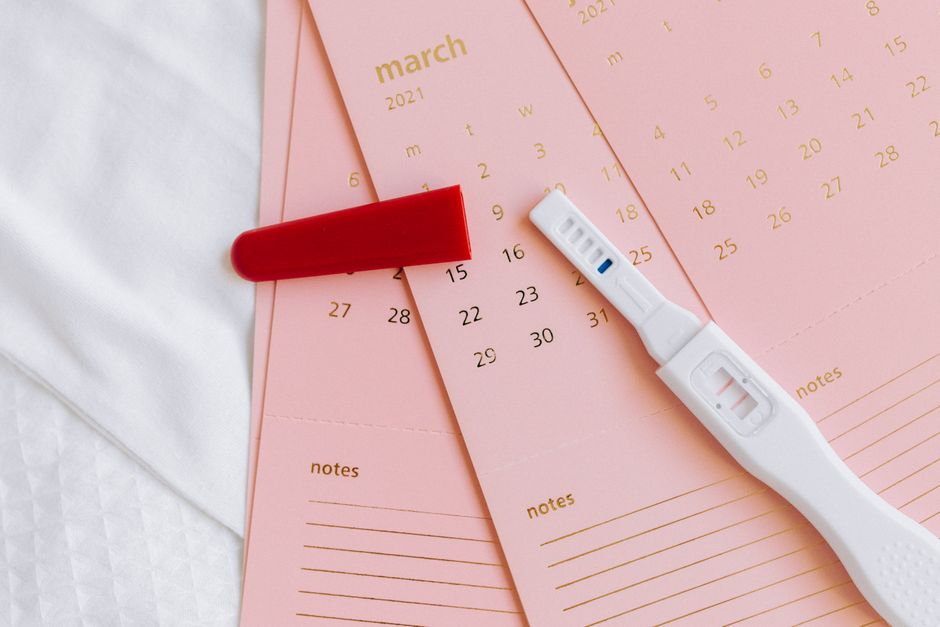
Ovulation tests are designed to detect a surge in luteinizing hormone (LH) that happens 24 to 36 hours before your ovary releases an egg. If you are testing daily and never seeing that positive result, it usually means one of three things: you are missing the surge, your body is not producing enough LH, or you are not actually ovulating during that cycle. Understanding which scenario applies to you is the first step toward getting an accurate answer.
How Do Ovulation Tests Actually Work?
Ovulation predictor kits (OPKs) measure the amount of luteinizing hormone in your urine. LH is always present in small amounts, but right before ovulation it spikes dramatically. This is called the LH surge.
The test line on the stick darkens when it detects this surge. A positive result means the test line is as dark as or darker than the control line. That surge signals that ovulation will likely occur within the next day or two.
Many women think a faint line means a problem. It does not. A faint line simply means LH is present at low levels. That is normal for most of your cycle. The test is looking for a peak, not just any presence of the hormone.
Are You Testing at the Wrong Time of Day?
LH surges can be short. For some women, the surge lasts less than 24 hours. If you only test once per day, you can easily miss it entirely.
Most research suggests testing in the late morning or early afternoon. LH is often synthesized during sleep and appears in your urine a few hours after you wake up. Testing with your first morning urine can miss the surge because it has not reached detectable levels yet.
If your surges are brief, testing twice a day may help. Many clinicians suggest testing between 10 a.m. and 2 p.m. and again between 4 p.m. and 8 p.m. when trying to catch a short surge. Do not drink large amounts of fluid in the two hours before testing. Excess water dilutes urine and can make the test read negative even during a surge.
Could You Be Testing Too Early or Too Late in Your Cycle?
Cycle length matters more than calendar dates. A woman with a 35-day cycle ovulates much later than a woman with a 26-day cycle. If you start testing on day 10 of a long cycle, you might stop testing before you ever reach your surge.
Here is a simple way to estimate when to start. Ovulation typically occurs about 14 days before your next period starts, not 14 days after your last period ended. Subtract 17 from your typical cycle length to find the day to begin testing.
- 28-day cycle: start testing on day 11
- 30-day cycle: start testing on day 13
- 35-day cycle: start testing on day 18
- Irregular cycles: consider testing longer or using a different method
If your cycles are irregular, predicting the right window is harder. You may need to test for more days than the five to seven days recommended on most package inserts. Some women with irregular cycles test daily for two to three weeks to catch their surge.





Medical Reasons for a Persistently Negative Test
If you are testing at the right time of day, across the right window, and still never see a positive result, a medical issue may be involved.
Anovulation is the medical term for cycles where no egg is released. This is a leading cause of consistently negative ovulation tests. Without ovulation, there is no LH surge to detect. Causes of anovulation include polycystic ovary syndrome (PCOS), thyroid disorders, high prolactin levels, extreme stress, significant weight loss or gain, and perimenopause.
Low LH levels can also cause false negatives. Some women simply produce LH levels that fall below the detection threshold of standard urine tests. This can happen with certain medications, pituitary conditions, or as part of normal hormonal variation. Blood tests can measure LH more precisely than urine tests can.
PCOS deserves special mention. Women with PCOS often have elevated baseline LH levels. This sounds like it would make tests positive, but the opposite can happen. Chronically high LH can interfere with the test’s ability to detect the surge because the test line may stay dark all month or never get clearly darker than baseline. Some women with PCOS see persistently dark test lines that never quite become positive.
Medications That Interfere with Ovulation Tests
Several common medications change how ovulation tests behave.
Clomiphene citrate (Clomid) and letrozole (Femara) are fertility medications that affect hormone levels. Clomid can sometimes cause a false LH surge. Letrozole may suppress LH levels enough to cause false negatives, especially if you test too soon after your last dose.
Human chorionic gonadotropin (hCG) injections, often given as a trigger shot, can cause false positive results because hCG and LH share a similar molecular structure. Most test strips detect both hormones.
Hormonal birth control suppresses ovulation entirely. Testing while on the pill, patch, ring, or hormonal IUD will not show a surge because you are not ovulating. You need to wait until you have stopped hormonal contraception and your natural cycle has resumed before ovulation tests are useful.
If you take any of these medications, talk to your clinician about whether ovulation testing is appropriate for your situation.
What If You Are Pregnant or in Perimenopause?
Pregnancy causes persistently high hCG levels. Because many ovulation tests cross-react with hCG, they can show positive results throughout pregnancy. But if you are pregnant and testing early, before hCG rises, you might see negative ovulation tests for a different reason — you already ovulated and conceived.
Perimenopause is another overlooked cause. As ovarian function declines, hormone patterns become erratic. Some cycles are anovulatory. Others have weak LH surges that fall below test thresholds. Women in their late 30s and 40s may experience months of negative ovulation tests followed by a sudden positive result. This reflects changing ovarian function, not a testing error.
What to Do When Ovulation Tests Stay Negative
First, confirm you are testing correctly. Read the package insert for your specific brand. Digital tests and strip tests have different instructions and different thresholds for positive results.
Second, track your cycle for at least two to three months. This gives you a clearer picture of your cycle length and whether you are ovulating at all. Combining ovulation tests with basal body temperature tracking can help. Temperature rises after ovulation, confirming it occurred even if you missed the LH surge on the test.
Third, see a clinician if you have been trying to conceive for six months to a year without success, or sooner if you have irregular cycles, known hormonal conditions, or are over 35. A simple blood test can measure your LH, FSH, and progesterone levels. A progesterone test about seven days before your expected period can confirm whether ovulation occurred.
Ovulation tests are a useful tool, but they are not perfect. They detect a hormone surge, not the actual release of an egg. A negative result means no surge was detected. It does not always mean you are not ovulating. Sometimes the test simply misses the window.
Frequently Asked Questions
Can I ovulate without ever getting a positive ovulation test?
Yes, this can happen if your LH surge is short and you test between surges, or if your LH levels are below the test’s detection threshold. Basal body temperature tracking can help confirm whether ovulation actually occurred.
Why is my ovulation test always negative but I have regular periods?
Regular periods do not guarantee ovulation every cycle, but they make anovulation less likely. You may be missing your surge by testing at the wrong time of day or not testing long enough into your cycle.
Can stress cause a negative ovulation test?
High stress can delay or suppress ovulation entirely, which would prevent an LH surge from occurring. If stress is affecting your cycle, your ovulation may happen later than expected or not at all that month.
When is the best time of day to take an ovulation test?
Late morning to early afternoon is generally recommended because LH builds up in urine over several hours after waking. Testing twice daily can help if you suspect your surge is brief.
