
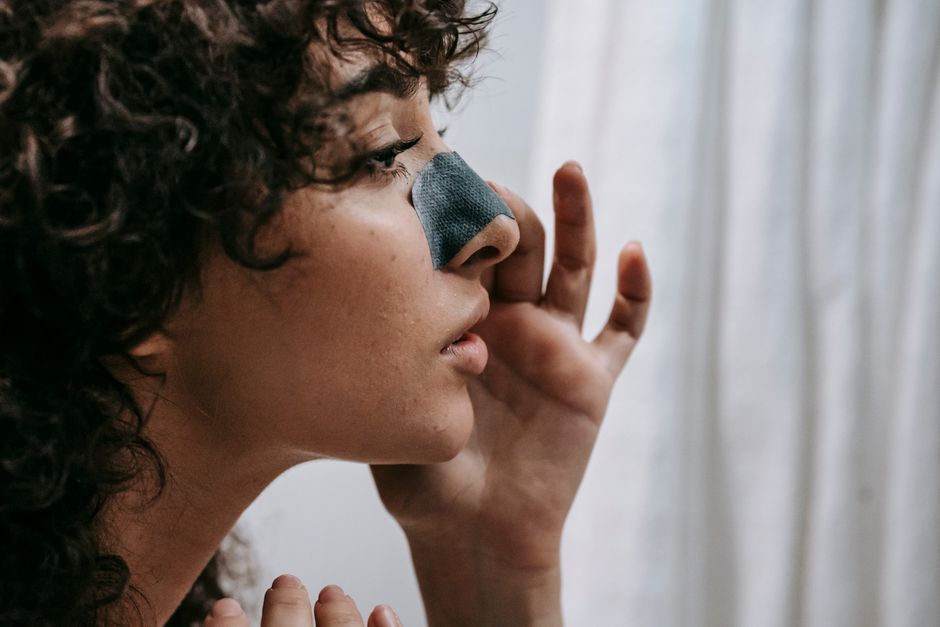
Dark spots on the nose are areas where the skin has produced extra melanin, the pigment that gives skin its color. This can happen after sun exposure, inflammation, hormonal shifts, or irritation. The medical name for this kind of darkening is hyperpigmentation. It is usually harmless, but it can be stubborn and slow to fade.
Why Is My Nose Black Causes Of Dark Spots?
The nose is one of the most sun-exposed parts of the face. It sits at the highest point, catches direct light from above, and often gets missed when people apply sunscreen. That combination makes it a common spot for dark patches to form.
Melanin is made by cells called melanocytes. When those cells are triggered — by ultraviolet light, inflammation, or hormones — they can overproduce pigment. That excess pigment gets deposited in the upper layers of skin, creating a darker patch.
Not all dark spots are the same. Some sit flat on the surface. Others are raised. Some are brown. Others look gray or almost black. The cause determines what you are dealing with and whether it needs medical attention.
One thing worth knowing: a dark spot that is genuinely black — not brown — deserves a closer look. Most hyperpigmentation is brown. True black discoloration can sometimes signal something that needs a doctor’s evaluation.
What Causes Dark Spots On The Nose Specifically?
Several factors can cause darkening on the nose. They often overlap.
- Sun exposure. Ultraviolet light from the sun or tanning beds triggers melanin production. Over time, repeated exposure leads to dark spots, freckles, and sun spots.
- Post-inflammatory hyperpigmentation. After acne, a cut, a burn, or any injury to the skin, the healing process can leave behind extra pigment. This is common on the nose because it is prone to blackheads, pimples, and irritation.
- Melasma. This is a condition where patches of darker skin appear, often on the face. It is linked to hormonal changes, including pregnancy and birth control use. The nose and cheeks are common sites.
- Friction or pressure. Repeated rubbing from glasses, masks, or hats can irritate the skin and lead to darkening in some people.
- Certain skin conditions. Conditions like eczema or contact dermatitis can cause inflammation that leaves dark marks after the flare settles.
Some of these causes are external and avoidable. Others are internal and harder to control. Knowing which one applies to you helps determine what might actually help.
Does Sun Exposure Really Cause Dark Spots On The Nose?
Yes. Sun exposure is one of the most well-established causes of hyperpigmentation. This is not debated in dermatology.
When ultraviolet radiation hits the skin, it damages DNA in skin cells. In response, melanocytes produce more melanin as a protective mechanism. That melanin absorbs some of the UV radiation and helps shield the deeper layers of skin.
The problem is that this protective response is not perfectly even. Some areas produce more pigment than others. The nose, being highly exposed, is often one of those areas.
Over years, this can lead to sun spots, also called solar lentigines. These are flat, brown spots that appear on sun-exposed skin. They are not dangerous on their own, but they are a sign of cumulative sun damage.
Daily sunscreen use is the most reliable way to prevent new spots and to keep existing ones from getting darker. This is one of the few things in skin care where the evidence is strong and consistent.





Can Acne And Picking Cause Dark Spots On The Nose?
Yes. Any inflammation in the skin can lead to post-inflammatory hyperpigmentation. The nose has a high concentration of oil glands, which makes it prone to blackheads and acne.
When a pimple forms, the immune system sends cells to the area to fight bacteria and repair tissue. This process involves inflammation. Melanocytes can be stimulated by that inflammation and produce extra pigment as a result.
Picking or squeezing makes it worse. The extra trauma increases inflammation and raises the chance of a dark mark being left behind. The spot may fade over months, but it can persist for a long time.
People with darker skin tones are more prone to this type of hyperpigmentation. That is because their melanocytes are more active and respond more strongly to inflammation.
When Should A Dark Spot On The Nose Be Checked By A Doctor?
Most dark spots are harmless. But some skin changes can be a sign of skin cancer, including melanoma. The nose is a common site for skin cancers because of its sun exposure.
See a doctor or dermatologist if a spot:
- Changes in size, shape, or color over time
- Has an irregular border or multiple colors within it
- Bleeds, itches, or does not heal
- Appears suddenly and grows quickly
- Looks different from other spots on your body
These are general warning signs. They do not mean a spot is cancer. They mean it should be looked at by someone trained to tell the difference.
Melanoma can appear in areas that get little sun, but sun-exposed areas like the nose are still common sites. Early detection makes a significant difference in outcomes.
What Actually Helps Fade Dark Spots On The Nose?
Treatment depends on the cause. What works for melasma may not work for a sun spot. And what works for one person may not work for another.
Some approaches have more evidence behind them than others:
- Sunscreen. This is the foundation. Without it, other treatments are much less likely to work and spots are more likely to return. Broad-spectrum sunscreen with SPF 30 or higher is the standard recommendation.
- Topical retinoids. Prescription retinoids like tretinoin have been studied for hyperpigmentation and are considered effective by many dermatologists. They work by speeding up cell turnover.
- Hydroquinone. This is a prescription bleaching agent that has been used for decades. It is effective but requires medical supervision, especially with prolonged use.
- Azelaic acid. This is available in prescription and over-the-counter forms. Some studies support its use for hyperpigmentation.
- Vitamin C and niacinamide. These ingredients have some evidence for brightening skin and reducing pigment. The evidence is not as strong as for prescription options.
- Chemical peels and laser therapy. These are done in a clinical setting. They can be effective but carry risks, including worsening pigmentation in some skin types.
No topical product removes dark spots overnight. Fading takes time — often several months of consistent use. Results vary widely between individuals.
It is also worth being skeptical of products that promise rapid results. No over-the-counter cream has been shown to erase hyperpigmentation quickly. If a product claims to, that claim is not supported by evidence.
Does Skin Tone Affect How Dark Spots Form?
Yes. Skin tone plays a significant role in how hyperpigmentation develops and how it responds to treatment.
People with darker skin tones have more active melanocytes. Their skin produces more melanin in response to inflammation, injury, or UV exposure. This means they are more likely to develop post-inflammatory hyperpigmentation after acne or other skin trauma.
It also means that some treatments — particularly lasers and peels — carry a higher risk of causing more pigmentation rather than less. This is called post-inflammatory hyperpigmentation induced by treatment. It is a known risk and a reason why procedures should be done by someone experienced with diverse skin types.
This does not mean darker skin tones cannot treat hyperpigmentation. It means the approach may need to be more careful and tailored.
Can Dark Spots On The Nose Be Prevented?
Not all of them. Some causes, like hormonal changes, are not fully within your control. But there are steps that reduce the likelihood of new spots forming.
- Apply broad-spectrum sunscreen daily, even on cloudy days. Reapply every two hours when outdoors.
- Wear a hat with a brim that shades the face.
- Avoid picking at acne or other bumps on the nose.
- Treat acne early to reduce inflammation and the chance of dark marks.
- Be gentle with your skin. Harsh scrubs and irritants can trigger more pigment production.
These steps are not a guarantee. They reduce risk. They do not eliminate it.
If you are already dealing with dark spots, prevention still matters. It keeps new ones from forming while existing ones fade.
What Else Could Cause A Dark Area On The Nose?
Hyperpigmentation is the most common reason for a dark area on the nose. But it is not the only one.
Other possibilities include:
- Seborrheic keratoses. These are benign growths that can look brown or black. They are common with age.
- Actinic keratoses. These are rough, scaly patches caused by sun damage. They can sometimes appear dark. They are considered pre-cancerous and should be evaluated.
- Skin cancer. Basal cell carcinoma, squamous cell carcinoma, and melanoma can all appear on the nose. They may look like a dark spot, a sore that does not heal, or a changing mole.
- Fungal infections. Some fungal skin infections can cause dark patches, though this is less common on the nose.
This is why a spot that looks unusual or is changing should be checked. A dermatologist can examine it and determine whether a biopsy is needed.
Most dark spots are not cancer. But the only way to know for sure is to have someone qualified look at it.
Frequently Asked Questions
Why is my nose black and other parts of my face are not?
The nose is highly exposed to the sun and has many oil glands, making it prone to both sun-related darkening and post-inflammatory hyperpigmentation from acne. It is a common site for these types of spots.
Do dark spots on the nose go away on their own?
Some fade over time, especially if the trigger — like acne or sun exposure — is removed. Others persist for months or years without treatment. Fading is often slow and incomplete.
Is a black spot on the nose always skin cancer?
No. Most dark spots are not cancer. However, a spot that is truly black, changing, bleeding, or not healing should be evaluated by a doctor to rule out skin cancer.
What is the fastest way to fade dark spots on the nose?
There is no fast fix. Prescription treatments like retinoids and hydroquinone, combined with daily sunscreen, are among the most effective options supported by evidence. Results typically take several months.
