
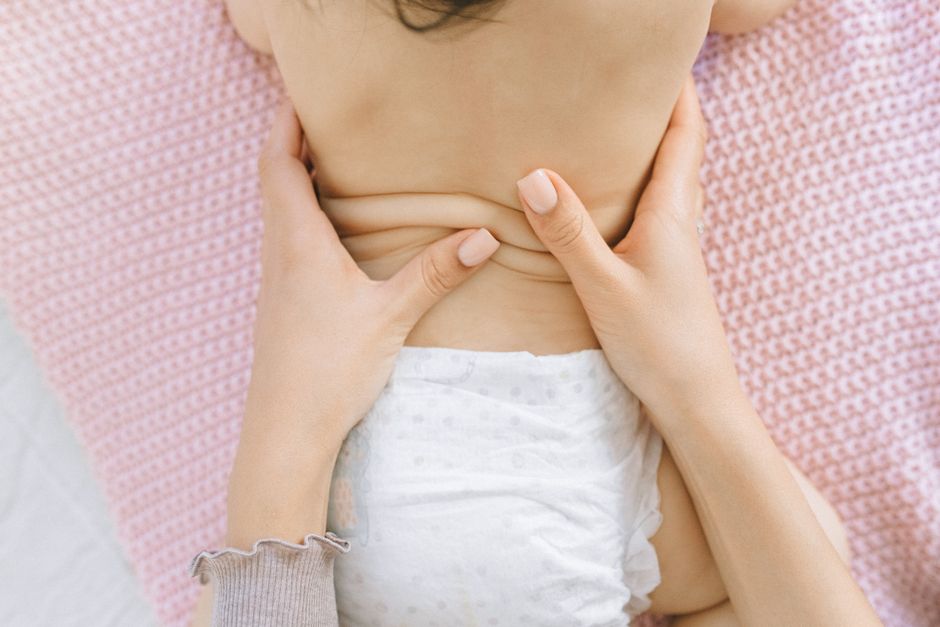
Newborn hiccups are one of the most common and least harmful things your baby will do in the first few months. They happen because a baby’s diaphragm—the muscle that controls breathing—is still learning to work smoothly. When that muscle spasms or twitches, the vocal cords snap shut, and that produces the classic “hic” sound. For a newborn, these spasms are completely normal and almost always harmless.
Why Does Your Newborn Have Hiccups So Often?
Your newborn’s nervous system is brand new and still developing. The nerve that controls the diaphragm, called the phrenic nerve, sends signals that are not fully coordinated yet. This causes the diaphragm to contract in sudden, jerky bursts instead of smooth, steady movements. These bursts are what we call hiccups.
Because the brain and nervous system are maturing rapidly, these misfires happen frequently. Most newborns get hiccups several times a day, and some babies seem to have them constantly. It is not a sign of a problem. It is a sign that your baby’s body is practicing the movements it needs for breathing and digestion.
What Triggers Hiccups in a Newborn?
Several everyday situations can set off a bout of hiccups. The most common trigger is feeding. When a baby feeds quickly, they often swallow air along with milk. That extra air stretches the stomach, and a full stomach can push up against the diaphragm. This pressure irritates the diaphragm and causes it to spasm.
Another trigger is a sudden change in stomach temperature. Moving a baby from a warm feeding position to a cooler room, or giving a bottle that is slightly too cold, can cause the stomach muscles to react. This reaction can travel up to the diaphragm and start a hiccup episode. Overfeeding can also be a factor, since a very full stomach leaves less room for the diaphragm to move freely.
Are Newborn Hiccups Ever a Sign of Something Serious?
In the vast majority of cases, hiccups are completely benign. They do not hurt your baby, they do not interfere with breathing, and they do not disrupt sleep. A baby can hiccup while awake, while asleep, and even while feeding without any distress.
There is one rare condition called a “hiccup-like” movement that can occur during seizures in newborns, but this is extremely uncommon. The key difference is that seizure activity usually comes with other signs, such as staring, stiffening, jerking of the limbs, or changes in breathing. If your baby is hiccuping but otherwise acting normally, eating well, and gaining weight, there is no reason for concern.
However, if hiccups are accompanied by frequent spitting up, arching of the back, or visible discomfort after feeding, it may be a sign of gastroesophageal reflux, commonly called GER. This is a condition where stomach contents flow back up into the esophagus. It is worth mentioning to your pediatrician, but it is not an emergency.




Do Hiccups Bother a Newborn?
Most of the time, newborns do not seem bothered by their hiccups at all. Many babies will hiccup right through a feeding or a nap without waking or fussing. In fact, hiccups are so common in the womb that many mothers feel them as rhythmic little pulses before birth.
If your baby does seem fussy during a hiccup episode, it is usually because the hiccups are happening at the same time as another discomfort, such as a wet diaper or hunger. The hiccups themselves are not painful. The diaphragm is a muscle, and a muscle spasm can feel like a twitch, not a cramp. There is no evidence that newborns experience hiccups as painful or distressing.
How to Stop or Prevent Newborn Hiccups
There is no guaranteed way to stop newborn hiccups, and most episodes will resolve on their own within 5 to 10 minutes. If you want to try to shorten an episode, the most effective approach is to address the likely trigger.
If your baby hiccups during a feeding, pause the feeding and try to burp them. Bringing up trapped air can relieve pressure on the diaphragm. Hold your baby upright against your chest with their chin on your shoulder, and gently pat their back. This position also helps settle the stomach.
For prevention, focus on feeding habits. Keep your baby fairly upright during feedings rather than lying flat. Take burping breaks every few minutes, especially if your baby is a fast eater. Try to avoid overfeeding by watching for your baby’s fullness cues, such as turning their head away or slowing their sucking.
One thing to avoid is the old home remedy of startling a baby to stop hiccups. Scaring a newborn is not effective and it is not kind. Similarly, do not pull on a baby’s tongue, press on their eyeballs, or use any other folk remedy. These methods have no medical basis and can be dangerous.
When Should You Call the Doctor?
Hiccups alone are never a reason to call the doctor. You should call your pediatrician if hiccups are happening alongside other symptoms that worry you.
Seek medical advice if your baby is hiccuping and also showing signs of respiratory distress, such as fast breathing, flaring nostrils, or a bluish color around the lips. These are not symptoms of normal hiccups. You should also call if your baby is refusing to eat, vomiting forcefully, or failing to gain weight. These could point to reflux or another digestive issue that needs evaluation.
Otherwise, enjoy the fact that hiccups are a normal part of newborn development. They are one of many small signs that your baby’s body is growing and adapting to life outside the womb. Most babies outgrow frequent hiccups by the time they are 6 months old, once their nervous system matures and their feeding skills improve.
Frequently Asked Questions
Can I give my newborn water to stop hiccups?
No. You should never give water to a newborn under 6 months old. Water can interfere with their electrolyte balance and is not safe for their immature kidneys.
Do hiccups mean my baby is full?
Not always, but they often happen after a feeding. A full stomach can press against the diaphragm and trigger hiccups, so they can be one sign your baby has had enough.
Can hiccups hurt my unborn baby during pregnancy?
No. Fetal hiccups are a normal reflex that happens in the womb. They are a sign that your baby’s breathing muscles are developing properly.
Should I wake my baby to treat hiccups?
No. If your baby is sleeping peacefully with hiccups, let them sleep. Hiccups do not disrupt breathing or cause harm, and waking a sleeping baby is unnecessary.
