

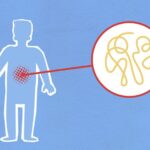
Lower stomach bloating is pressure or fullness in the area below your belly button, and it almost always traces back to gas, stool, fluid, or tissue in the intestines and pelvic organs. The lower abdomen is where the colon’s final sections sit, along with the uterus and ovaries in women and the bladder in both sexes. When any of those structures hold extra gas, fluid, or content, the result is that stretched, heavy feeling. It is one of the most common digestive complaints doctors hear, and most of the time it does not signal anything dangerous.
What Causes Bloating in the Lower Stomach Specifically?
Gas and stool in the colon are the most common reasons. The lower abdomen is where the sigmoid colon and rectum sit, and that is exactly where gas tends to collect before it passes. When digestion is slow or stool backs up, that area fills and presses outward.
Several everyday factors make this worse:
- Swallowed air from eating fast, chewing gum, or drinking through straws
- Fiber that ferments in the colon and produces gas
- Constipation that leaves stool sitting in the lower colon
- Carbonated drinks that add gas directly to the gut
- Foods high in certain fermentable carbohydrates
In women, the uterus and ovaries share that same lower pelvic space. A full bladder, an ovarian cyst, or uterine fibroids can create a sense of pressure that feels identical to gas bloating. This overlap is why lower abdominal bloating in women sometimes has nothing to do with digestion at all.
Why Does Bloating Feel Worse in the Lower Belly Than the Upper Belly?
Anatomy explains most of it. The upper abdomen holds the stomach and the transverse colon, which are relatively open spaces. The lower abdomen holds the descending colon, sigmoid colon, and rectum, where stool and gas are stored before elimination. Gas trapped there has less room to move and more distance to travel before it leaves the body.
The sigmoid colon is also the narrowest part of the large intestine. When stool or gas reaches that point, it can sit longer. That is why lower bloating often comes with a sense of needing to pass gas or have a bowel movement but not being able to.
There is another factor that gets less attention: the abdominal wall itself. The lower belly has less muscular support than the upper abdomen in many people, especially after pregnancy or significant weight change. That can make normal amounts of gas feel more pronounced.
Is Lower Stomach Bloating a Sign of Something Serious?
Most lower abdominal bloating is not dangerous. It is uncomfortable, sometimes embarrassing, and usually temporary. But certain patterns deserve a medical evaluation.
See a doctor if bloating comes with any of these:
- Blood in your stool or black, tarry stools
- Unexplained weight loss
- Bloating that is new and persistent for more than a few weeks
- Severe pain, fever, or vomiting
- A noticeable change in bowel habits that lasts
- Bloating that does not improve with any dietary change
Persistent bloating that is new after age 50, especially in women, warrants attention. Ovarian cancer can cause bloating, pelvic pressure, and feeling full quickly, though these symptoms are far more often caused by benign conditions. The key distinction is persistence and progression, not occasional discomfort.
Conditions that can cause ongoing lower bloating include irritable bowel syndrome, small intestinal bacterial overgrowth, celiac disease, lactose intolerance, and inflammatory bowel disease. Each has its own pattern and requires proper diagnosis rather than guesswork.




Why Does My Lower Stomach Bloat After Eating?
Bloating after eating is normal to some degree. The act of eating triggers the gastrocolic reflex, which signals the colon to move. As food enters the stomach, the colon responds by pushing contents forward. That movement can create gas and pressure in the lower abdomen within minutes.
What you eat matters too. Certain carbohydrates are poorly absorbed in the small intestine and ferment in the colon, producing gas. These include:
- Lactose in milk and dairy
- Fructose in fruit and sweeteners
- Sorbitol and mannitol in sugar-free products
- Raffinose in beans and certain vegetables
- Wheat and other grains containing fructans
Eating quickly or while distracted increases swallowed air. Drinking through a straw or chewing gum has the same effect. Carbonated beverages add gas directly.
The timing matters. Bloating within 30 minutes of eating usually points to swallowed air or the gastrocolic reflex. Bloating that builds over hours is more likely from fermentation in the colon.
How Do Hormones Affect Lower Stomach Bloating?
Hormonal shifts change how the gut moves and how much water the body retains. Many women notice more bloating in the days before their period. Estrogen and progesterone affect gut motility and fluid balance, and the drop in progesterone before menstruation can slow digestion.
Pregnancy causes significant lower abdominal pressure as the uterus grows. That is expected and normal. Bloating during pregnancy should still be mentioned to a doctor if it is severe or sudden.
Perimenopause and menopause bring their own shifts. Some women find bloating becomes more frequent or less predictable during this transition. The evidence on exactly why is not fully clear, but hormonal changes in gut function are a reasonable explanation supported by some research.
What Makes Lower Stomach Bloating Worse?
Several habits reliably make bloating worse. Knowing them helps you decide what to change.
- Eating large meals quickly
- Lying down right after eating
- Constipation that is not addressed
- High-sodium diets that promote fluid retention
- Alcohol, which can irritate the gut and slow motility
- Stress, which affects the gut-brain axis and can slow or speed digestion unpredictably
Stress deserves a specific mention. The gut has its own nervous system that communicates directly with the brain. Chronic stress can change how the gut moves and how sensitive it is to normal amounts of gas. That does not mean bloating is “all in your head.” It means the gut and brain are physically connected, and stress can genuinely change gut function.
What Helps Lower Stomach Bloating?
No single remedy works for everyone, and the evidence for many popular products is limited. What follows is what has reasonable support and what is commonly recommended by clinicians.
For occasional bloating, these approaches are widely used:
- Eating smaller meals more slowly
- Walking after meals to encourage gas movement
- Limiting carbonated drinks and chewing gum
- Treating constipation if present
- Identifying trigger foods through a structured elimination approach, ideally with a doctor or dietitian
Some people find relief from peppermint oil capsules, which have some evidence for IBS-related bloating. Simethicone, found in over-the-counter gas remedies, reduces surface tension of gas bubbles but studies on its effectiveness for bloating are mixed. Probiotics show inconsistent results across studies, likely because different strains affect different people differently.
If bloating is persistent, a doctor may check for celiac disease, lactose intolerance, or bacterial overgrowth. Treating an underlying cause is more effective than managing symptoms indefinitely.
When Should Lower Stomach Bloating Be Checked by a Doctor?
Bloating that is new, persistent, or accompanied by other symptoms should be evaluated. The threshold for concern is not occasional discomfort after a large meal. It is bloating that changes your daily life, does not respond to basic changes, or comes with warning signs.
Warning signs that warrant prompt evaluation include:
- Blood in stool or rectal bleeding
- Unexplained weight loss
- Persistent vomiting
- Severe or worsening pain
- Bloating that is steadily getting worse
- A mass or firmness felt in the abdomen
For women over 50, new persistent bloating should be discussed with a doctor even without other symptoms. Ovarian cancer is uncommon, but bloating is one of its more common early signs, and early detection matters. This is not meant to alarm. It is meant to make clear that persistent bloating deserves a conversation, not indefinite waiting.
Frequently Asked Questions
Why is my lower stomach bloated every day?
Daily lower bloating usually points to a consistent trigger such as diet, constipation, or a condition like IBS. If it happens every day for more than a few weeks, it should be evaluated by a doctor.
Does lower stomach bloating mean I have a serious disease?
Most lower abdominal bloating is not caused by serious disease. However, bloating that is new, persistent, or comes with weight loss, bleeding, or worsening pain should be checked.
What is the difference between upper and lower stomach bloating?
Upper bloating usually involves the stomach and transverse colon, while lower bloating involves the descending colon, sigmoid colon, and rectum. In women, the uterus and ovaries also sit in the lower abdomen and can cause similar pressure.
Can stress cause lower stomach bloating?
Yes. The gut and brain are directly connected through the gut-brain axis, and stress can change how the gut moves and how sensitive it is to gas. This is a real physical effect, not a psychological one.
