
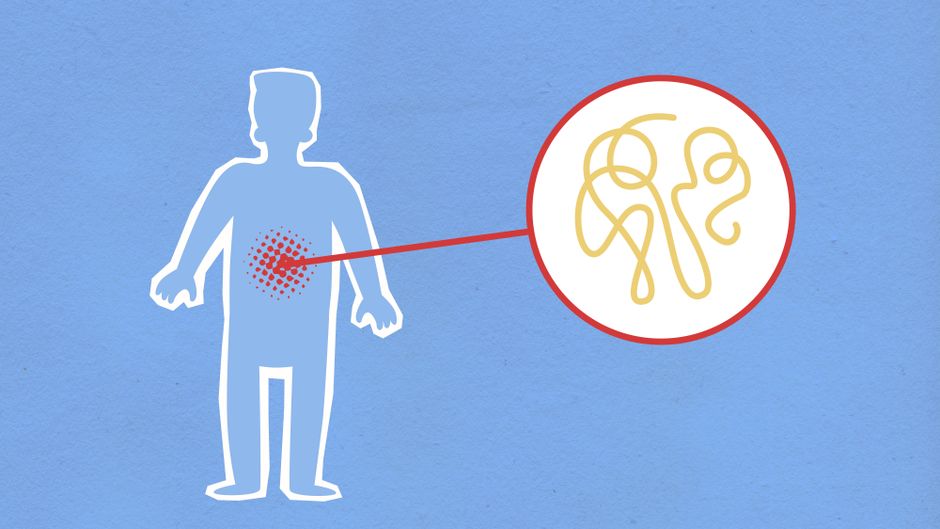
Stomach flu is not the flu. It is a viral infection that attacks your intestines. The name is misleading because influenza is a respiratory illness. What people call stomach flu is usually norovirus or rotavirus. These viruses spread easily, but you are not powerless against them. Handwashing with soap and water, careful food handling, and disinfecting surfaces are the steps that actually work. There is no vaccine for most adults, and antibiotics do nothing because the cause is a virus. The good news is that most healthy adults recover in a few days with rest and fluids.
What Is the Stomach Flu and How Does It Spread?
Stomach flu is the common name for viral gastroenteritis. It is an infection of the stomach and intestines that causes inflammation. Norovirus is the most common cause in adults. Rotavirus is more common in children, though a vaccine has reduced its impact.
These viruses spread through the fecal-oral route. That means tiny particles of vomit or stool from an infected person end up in your mouth. This happens when someone does not wash their hands after using the bathroom and then touches food or a surface you touch. You then touch your mouth, and the virus is in.
The viruses are hardy. Norovirus can survive on surfaces for days and resists many common cleaners. It takes only a tiny amount of virus to make you sick. This explains why stomach flu spreads so fast in homes, schools, and cruise ships.
How To Prevent Stomach Flu What Actually Works
Prevention comes down to breaking the chain of transmission. The virus must travel from an infected person to your mouth. Interrupt that path and you stay well.
Handwashing is the single most effective step. Hand sanitizer is not enough. Norovirus is not killed by alcohol-based gels the way bacteria are. Soap and water physically remove the virus from your hands. Scrub for at least 20 seconds, covering all surfaces including under your nails. Wash after using the bathroom, before eating, and before preparing food.
Food safety matters just as much. Wash fruits and vegetables thoroughly. Cook shellfish completely because they can carry the virus from contaminated water. If someone in your home is sick, do not let them prepare food for others. Dispose of their food waste carefully.
Disinfect surfaces with a bleach-based cleaner. Standard household cleaners may not kill norovirus. A solution of bleach and water is the reliable choice for hard surfaces. Pay attention to doorknobs, light switches, faucets, and toilet handles.
Does the Stomach Flu Vaccine Exist?
There is no vaccine for norovirus. Research is ongoing, but no approved vaccine currently exists for adults.
Rotavirus is different. A vaccine exists for infants and is part of the routine childhood immunization schedule. It is given by mouth in two or three doses, depending on the brand. This vaccine has significantly reduced rotavirus infections in children since it was introduced.
For adults, prevention depends entirely on hygiene practices. This is why handwashing and surface cleaning are not optional suggestions. They are the only tools that work against norovirus.





Can You Build Immunity to Stomach Flu?
Short-term immunity is possible, but it does not last. Your body produces antibodies after an infection, and these may protect you for a few months. But norovirus has many strains. Immunity to one strain does not protect you from another. You can catch stomach flu multiple times in a single year from different strains.
This is also why a vaccine has been difficult to develop. A vaccine would need to protect against many strains at once, and the virus mutates over time. Some research suggests people with blood type O may be more susceptible to certain norovirus strains, but this is not something you can change or act on.
What Are the First Signs and How Long Are You Contagious?
Symptoms usually appear 12 to 48 hours after exposure. The classic signs are vomiting, watery diarrhea, nausea, and stomach cramps. Some people also develop a low-grade fever, headache, or body aches. Symptoms typically last one to three days.
You are contagious from the moment symptoms begin. You can also spread the virus before you feel sick, usually in the day or two before symptoms start. After you recover, you can still shed the virus in your stool for up to two weeks. This is why good hand hygiene must continue after symptoms stop.
If you are sick, stay home. Do not return to work or school until at least 48 hours after your last episode of vomiting or diarrhea. This is the standard guidance because you remain contagious during this period.
What To Do If You Get Sick Anyway
There is no antiviral medication for stomach flu. Treatment focuses on preventing dehydration, which is the main danger.
Fluids are the priority. Sip water, clear broths, or oral rehydration solutions. Oral rehydration solutions contain the right balance of water, salt, and sugar that your intestines can absorb. Sports drinks are not ideal because their sugar content can worsen diarrhea.
Eat bland foods when you feel ready. Crackers, toast, rice, and bananas are gentle on the stomach. Avoid dairy, fatty foods, and sugary drinks until you recover. Do not take anti-diarrheal medications without talking to a doctor first. They can sometimes make certain infections worse.
Rest is part of treatment. Your body needs energy to fight the virus. Most healthy adults recover without medical care, but dehydration can be serious.
When Should You See a Doctor?
Dehydration is the main reason stomach flu becomes dangerous. Watch for signs of dehydration in yourself or a family member. These include dry mouth, decreased urination, dark urine, dizziness, and extreme thirst. In young children, look for fewer wet diapers, no tears when crying, and unusual drowsiness.
Seek medical care if you cannot keep any fluids down for more than 24 hours. Also seek care if you have blood in your vomit or stool, a fever above 102°F, or severe abdominal pain that is not relieved by vomiting. These symptoms may point to something other than viral gastroenteritis.
Older adults, young children, and people with weakened immune systems are at higher risk for complications. They may need medical attention sooner than a healthy adult would. If you are unsure, call your doctor. It is better to ask than to wait.
Does the Flu Shot Protect Against Stomach Flu?
No. The flu shot protects against influenza, which is a respiratory virus. It does nothing against norovirus or rotavirus. This is a common misunderstanding because both illnesses share the word flu.
Getting the flu shot is still important for your health, but it will not prevent stomach flu. The two infections have completely different causes and affect different parts of the body. Influenza attacks your lungs and airways. Stomach flu attacks your digestive tract.
Frequently Asked Questions
How long does stomach flu live on surfaces?
Norovirus can survive on hard surfaces for days or even weeks. Clean contaminated surfaces with a bleach-based solution, not just standard household cleaners.
Can you get stomach flu twice in one season?
Yes. Norovirus has many strains, and immunity to one strain does not protect you from others. You can catch it multiple times in a single year.
Is hand sanitizer enough to prevent stomach flu?
No. Alcohol-based hand sanitizers do not reliably kill norovirus. Washing your hands with soap and water for at least 20 seconds is the effective method.
How soon after exposure do stomach flu symptoms appear?
Symptoms usually start 12 to 48 hours after exposure. You can spread the virus before symptoms begin and for up to two weeks after recovery.
