
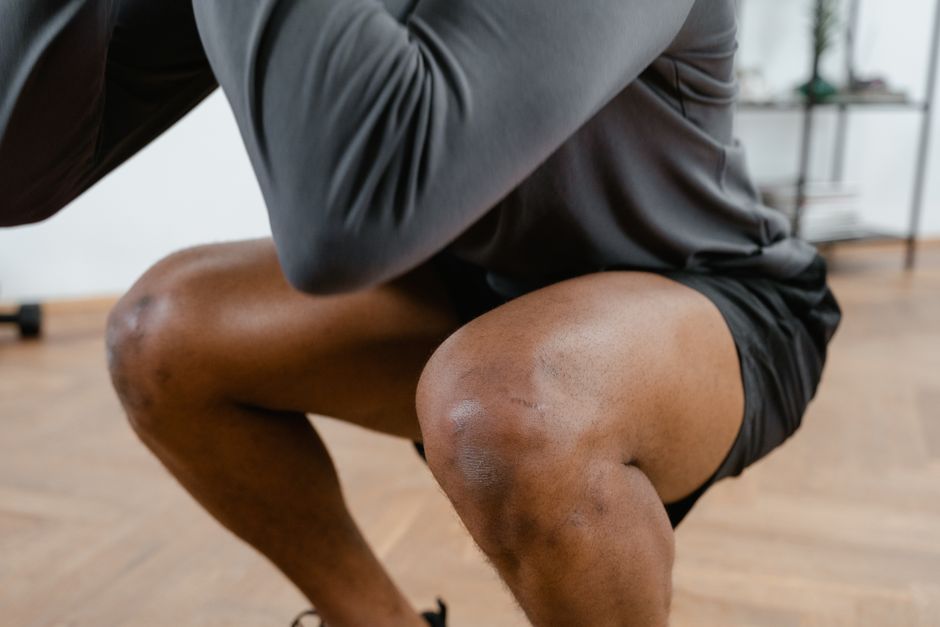
A fall onto your knee can leave you with more than a bruise. Numbness in the knee after a fall is a specific symptom that points to nerve involvement. It happens because the impact can stretch, compress, or directly injure the nerves that supply sensation to the skin around the kneecap. The numbness is often temporary, but it can also signal a more serious injury that needs medical attention.
Why Is My Knee Numb After A Fall?
The most common reason for numbness after a knee injury is trauma to the infrapatellar branch of the saphenous nerve. This nerve runs down the inner thigh, crosses the knee, and provides feeling to the skin over the front and inner part of the shin, just below the kneecap. It sits close to the surface and has little protective padding. A direct blow, a hard landing, or a sudden twist can stretch or bruise this nerve.
When a nerve is injured, it stops sending normal signals to the brain. That interruption produces numbness, tingling, or a “pins and needles” feeling. In most cases, the nerve is not cut. It is simply stunned or compressed. The outer coating of the nerve (myelin) may be damaged, but the nerve itself survives. Recovery usually takes weeks to months as the nerve repairs itself.
Another possible cause is swelling. A significant fall can cause fluid to build up inside the knee joint or in the surrounding soft tissues. That pressure can compress nearby nerves and cause temporary numbness. Once the swelling goes down, sensation often returns.
What Else Could Cause The Numbness?
Nerve injury from the fall itself is the most likely explanation, but it is not the only one. The numbness could come from an injury to the common peroneal nerve, which wraps around the outer side of the knee. This nerve controls movement and sensation in the lower leg and foot. If the fall twisted your knee or you landed awkwardly, this nerve can be stretched. Numbness on the outside of the knee or down the side of the calf suggests this nerve is involved.
Knee dislocation is a rare but serious cause of numbness. A dislocated knee can damage multiple nerves and blood vessels. This is a medical emergency. If the knee looks deformed, if you cannot move your foot, or if the foot feels cold or looks pale, seek emergency care immediately.
Less commonly, the fall may have triggered a condition unrelated to the direct impact. For example, a herniated disc in the lower spine can cause referred numbness that travels down the leg. However, this is unusual after a simple fall onto the knee. It is more likely the numbness is local to the injury.
When Should You See A Doctor?
Some knee numbness resolves on its own. But you should not assume it will. See a doctor if the numbness does not improve within a few days or if it spreads. Also seek medical attention if you have any of these warning signs:
- Inability to bear weight on the leg
- Severe pain that worsens over time
- Foot drop (difficulty lifting the front of your foot)
- Weakness in the leg or foot
- Numbness that extends below the knee into the foot
- Cold, pale, or blue skin on the lower leg or foot
These symptoms can indicate a more serious injury, such as a fracture, a torn ligament, or significant nerve damage. A doctor can perform a physical exam and order imaging if needed. An X-ray can rule out a fracture. An MRI can show damage to ligaments, cartilage, or nerves. In some cases, a nerve conduction study may be used to measure how well the nerve is working.
Do not ignore numbness that comes with weakness. Weakness is a sign that the nerve injury is more than just a temporary bruise. It may require treatment to prevent permanent damage.





How Is Knee Numbness Treated?
Treatment depends on the cause and severity of the injury. For a mild nerve bruise, rest and time are often enough. The nerve heals on its own as the surrounding tissue recovers. Anti-inflammatory medications can help reduce swelling that may be pressing on the nerve. Physical therapy can help maintain strength and range of motion while the nerve heals.
If the numbness is caused by significant swelling in the joint, a doctor may recommend draining the fluid. This procedure, called aspiration, removes excess fluid with a needle. It can relieve pressure on the nerve and improve symptoms. This is done in a clinic setting and is generally safe.
For more severe nerve injuries, treatment may involve surgery. If the nerve is compressed by a hematoma (a collection of blood) or by torn tissue, surgery may be needed to release the pressure. If the nerve is completely severed, surgical repair may be possible. However, complete nerve cuts from a fall are rare.
Most people with knee numbness after a fall recover fully. The timeline varies. Mild injuries may heal in a few weeks. More significant nerve injuries can take several months. During recovery, it is important to protect the knee from further injury. Avoid activities that put direct pressure on the kneecap, such as kneeling.
Can You Prevent Nerve Damage After A Fall?
You cannot always prevent a fall. But you can reduce your risk of serious knee injury. Strengthening the muscles around the knee helps stabilize the joint. Good balance reduces the chance of falling in the first place. Wearing supportive footwear and keeping walkways clear at home are simple steps that make a difference.
If you do fall, pay attention to how the knee feels in the days afterward. Numbness that fades within a few hours is likely a mild nerve bruise. Numbness that persists or worsens deserves a medical evaluation. Early assessment can identify problems before they become more serious.
One non-obvious point: the location of the numbness matters. Numbness directly over the kneecap or just below it is most likely from the infrapatellar nerve. Numbness on the outer side of the knee or down the calf points to the peroneal nerve. Numbness that involves the whole leg or both legs may indicate a spinal issue. Telling your doctor exactly where the numbness is can help them pinpoint the cause.
What Should You Expect During Recovery?
Recovery from a nerve injury is often slower than recovery from a soft tissue bruise. Nerves heal at a rate of about one millimeter per day, though this can vary. The numbness may feel worse before it feels better. Some people experience tingling or a shooting sensation as the nerve wakes up. This is usually a good sign. It means the nerve is beginning to transmit signals again.
During recovery, keep the knee mobile but protected. Gentle range-of-motion exercises can prevent stiffness. Avoid deep bending or twisting movements until the pain and numbness improve. If you are unsure what activities are safe, ask a healthcare provider for guidance.
It is also normal to feel anxious about numbness that lingers. The skin may feel strange for weeks. This does not necessarily mean permanent damage. Most nerve injuries from falls are partial, not complete. The nerve was stretched or bruised, not destroyed. With time, sensation typically returns.
Frequently Asked Questions
How long does knee numbness last after a fall?
Mild numbness often resolves within a few days to a few weeks. More significant nerve injuries can take several months to heal fully.
Can a fall cause permanent knee numbness?
Permanent numbness is rare but possible if the nerve was completely severed or severely damaged. Most falls cause a temporary nerve bruise that heals over time.
Should I go to the ER for knee numbness after a fall?
Go to the ER if the knee looks deformed, you cannot bear weight, your foot is weak, or your lower leg feels cold or looks pale. These signs indicate a serious injury that needs immediate care.
Is knee numbness after a fall a sign of a blood clot?
Numbness alone is not a typical sign of a blood clot. Blood clots usually cause swelling, warmth, and pain. However, a fall can increase clot risk, so see a doctor if you have these symptoms.
