
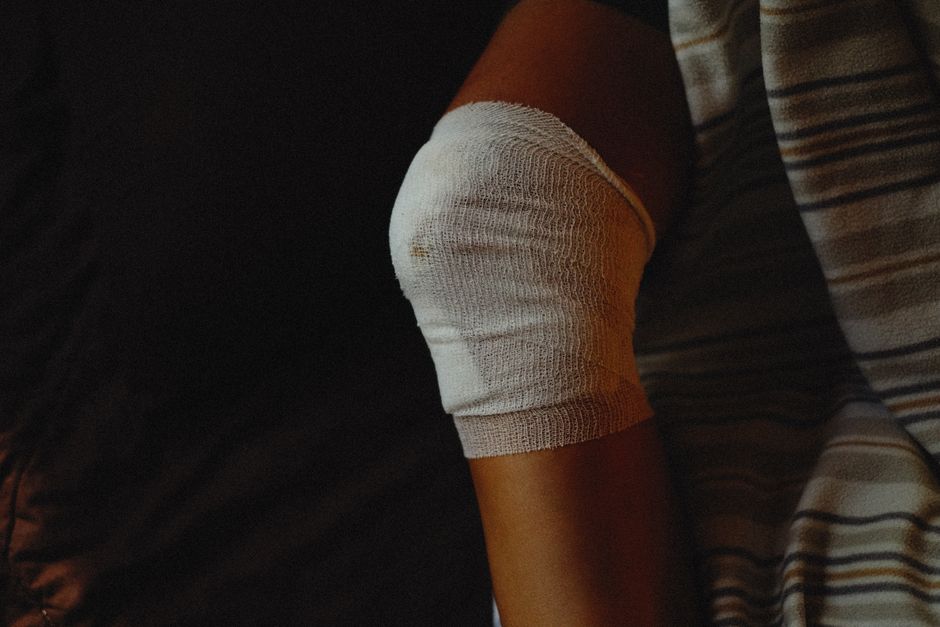
Wrapping a knee for support and pain relief comes down to choosing the right wrap for your specific problem and applying it with the correct tension. For general support and mild swelling, an elastic compression bandage works well. For instability or weakness, a structured knee brace with hinges offers more protection. The key is that the wrap should feel snug but never tight enough to cut off circulation, cause numbness, or increase pain.
What Type of Knee Wrap Do You Need?
The right wrap depends entirely on what is wrong with your knee. There is no single wrap that works for every situation. Matching the wrap to the problem is the first step toward relief.
For swelling after an injury, an elastic bandage provides gentle compression that helps limit fluid buildup. For arthritis pain, a neoprene sleeve provides warmth and proprioceptive feedback — that is, it helps your brain sense where your knee is in space, which can improve stability. For ligament injuries, a hinged brace offers the most support and prevents side-to-side motion that could worsen the injury.
If you have a confirmed ligament tear, a simple wrap will not provide enough support. That requires a fitted brace or surgical evaluation. If you have mild instability from muscle weakness, an elastic wrap or sleeve may be enough.
How To Wrap A Knee With an Elastic Bandage
Elastic bandages — sometimes called ACE wraps — are the most common choice for knee support. They work best for mild sprains, swelling, and general support during activity.
Start with your knee slightly bent, about 15 to 30 degrees. This position keeps the wrap from bunching behind the knee when you walk. Begin wrapping just below the knee, anchoring the bandage with two full turns. Wrap upward in a figure-eight pattern, crossing over the kneecap, then continue above the knee with two full turns.
The figure-eight pattern is essential. It provides even compression and keeps the wrap from sliding down. Wrap snugly but not tightly. You should be able to slide one finger under the wrap easily. If your toes tingle, turn blue, or feel cold, the wrap is too tight.
Secure the bandage with the clips or Velcro that came with it. Do not use pins near the knee joint. The wrap should stay in place during movement but should not restrict your range of motion significantly.
How Tight Should a Knee Wrap Be?
Tension is the most common mistake people make with knee wraps. Too tight restricts blood flow and can cause more damage. Too loose provides no support at all.
The correct tension feels like a firm handshake — snug and secure, but comfortable. You should feel compression, not pain. If the wrap causes throbbing, numbness, or tingling, remove it immediately and reapply with less tension.
Check your toes after applying the wrap. They should look normal in color. Press on a toenail — it should turn white and return to pink within two seconds. If it stays white, the wrap is too tight.
Sleeping in a compression wrap is generally not recommended unless your doctor specifically advised it. Compression that is safe during waking hours can become too tight when you are less active and blood flow slows.





Wrapping for Swelling vs. Wrapping for Stability
These are two different goals that require different approaches. Many people use the same wrap for both, which is not always effective.
For swelling, compression is the priority. The wrap should be firmest at the point of swelling and looser above and below it. This helps push fluid away from the injured area. Elevation and ice work together with compression to reduce swelling. Research consistently shows that compression combined with elevation is more effective than either alone in the first 48 hours after an injury.
For stability, the goal is different. You want to restrict unwanted movement without limiting the movements you need. A simple elastic wrap provides limited stability because it only compresses — it does not restrict joint motion. If your knee feels like it will give way, you need a wrap with rigid supports or a brace with hinges.
Some research suggests that knee sleeves with patella cutouts — a hole around the kneecap — may provide better comfort and tracking for people with kneecap pain. The evidence is not definitive, but many physical therapists recommend them for patellofemoral pain.
Kinesiology Tape vs. Elastic Wrap
Kinesiology tape has become popular, but the evidence for its effectiveness is mixed. Some studies suggest it provides modest pain relief and improved function in the short term. Others find no meaningful benefit over placebo.
The tape works differently from an elastic wrap. It lifts the skin slightly, which some research suggests may improve blood flow and reduce pressure on pain receptors. The effect, if real, is modest and temporary. Tape is not a substitute for a wrap when you need actual mechanical support.
If you need compression or joint restriction, use an elastic wrap or brace. If you want sensory feedback and mild pain relief, tape may help, but do not expect it to stabilize an unstable knee.
When a Knee Wrap Is Not Enough
A wrap is a temporary tool. It manages symptoms — it does not fix the underlying problem. If you need to wrap your knee every time you walk, that is a sign you need professional evaluation.
See a doctor if you have any of these signs: your knee locks or catches, you cannot bear weight, the knee is hot and red, swelling is severe and sudden, or you heard a pop at the time of injury.
These signs can indicate a torn ligament, torn cartilage, or a fracture. No wrap will fix those. You need imaging and a treatment plan from a medical professional.
After the acute phase of an injury, the most effective long-term approach is strengthening. Strong quadriceps and hamstrings protect the knee better than any wrap. Physical therapy focused on these muscles has strong evidence for reducing knee pain and preventing re-injury. A wrap can help you stay active while you strengthen, but it should not be your only strategy.
Common Mistakes When Wrapping a Knee
People make the same mistakes repeatedly. Avoiding them will make your wrap more effective.
- Wrapping too tightly: This is the most common error. It restricts blood flow and can cause more damage than the original injury.
- Wrapping over clothing: The wrap should contact your skin directly. Clothing creates wrinkles that cause pressure points.
- Wrapping a bent knee straight: If you wrap with your knee straight, the bandage will loosen when you bend it, and the wrap will slide.
- Leaving the wrap on too long: Remove the wrap every few hours to check your skin and restore normal circulation.
- Using a dirty or stretched-out bandage: Elastic bandages lose their elasticity over time. Replace them when they no longer spring back.
If you follow the instructions and your pain worsens, stop using the wrap. Pain that increases with compression is a sign of something more serious. A wrap should never make an injury worse.
How Long Can You Wear a Knee Wrap?
There is no standard duration that fits everyone. It depends on the injury and the activity level.
For acute injuries, wearing a compression wrap during the day and removing it at night is common practice. For activity-related support, wear the wrap only during the activity and remove it afterward. Wearing a wrap 24 hours a day weakens the muscles around the knee because they do not have to work as hard.
If you have a chronic condition like arthritis, some people find daily wear of a soft sleeve helpful. The evidence that this changes the course of arthritis is limited, but many people report symptom relief. If it helps you stay active and does not cause skin irritation, it is a reasonable choice.
Watch your skin. If you see redness, blisters, or irritation where the wrap sits, give your knee a break. Compression that causes skin breakdown is doing more harm than good.
Frequently Asked Questions
Can I sleep with a knee wrap on?
It is generally not recommended to sleep in a compression wrap because your blood flow slows and the wrap can become too tight. Remove it at night unless your doctor specifically told you to keep it on.
How do I know if my knee wrap is too tight?
If your toes tingle, feel numb, or look pale or blue, the wrap is too tight. You should be able to slide one finger comfortably under the wrap.
Should I wrap my knee before or after exercise?
Wrap before exercise if you need support during activity, and remove it after you finish. Wearing it after exercise for compression is only helpful if you have active swelling.
Can a knee wrap make my injury worse?
Yes, if applied too tightly or worn too long, a wrap can restrict blood flow and delay healing. If pain increases while wearing the wrap, remove it and seek medical advice.
