
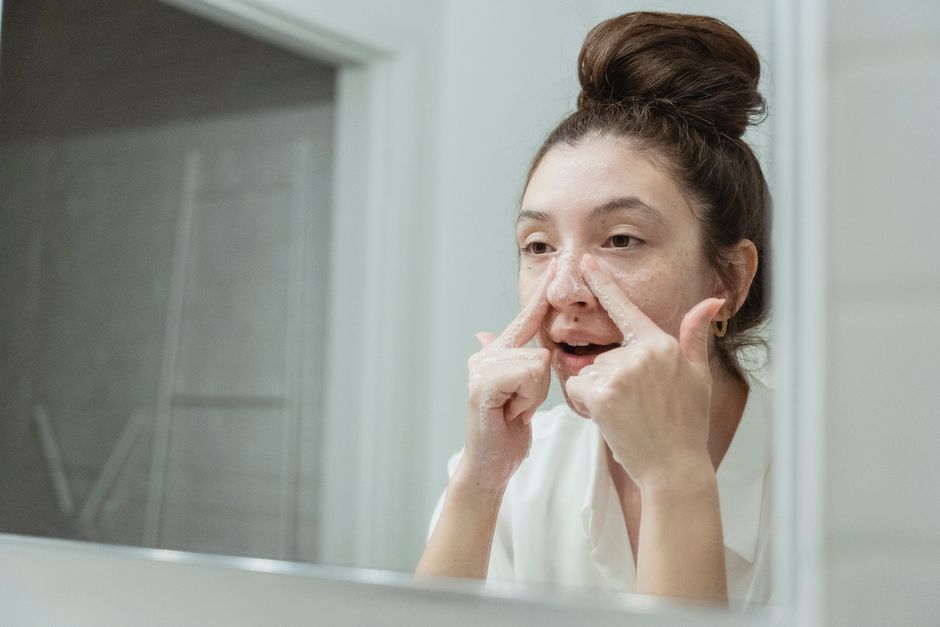
Facial dryness is one of the most common skin complaints, and it is rarely about a lack of water. The medical term is xerosis cutis, and it happens when the skin’s outer layer loses moisture faster than it can replace it. This layer, called the stratum corneum, acts as a barrier. When that barrier is damaged or stripped of its natural oils, water escapes and the skin feels tight, rough, and itchy. The good news is that most cases of facial dryness are manageable with the right routine and a few targeted changes.
Why Is My Face So Dry Causes And Solutions
Your face is more vulnerable to dryness than the rest of your body. Facial skin is thinner, and it has fewer oil glands. That means it relies heavily on the environment and your daily habits to stay hydrated. When the weather turns cold, indoor heating dries the air, and your skin pays the price. Low humidity pulls moisture from the skin’s surface. Hot showers and aggressive face washes do the same thing by stripping away the natural lipids that hold water in.
The solution starts with understanding the difference between moisturizing and hydrating. Moisturizers trap water in the skin. Hydrators pull water into the skin. Most people with dry skin need both. A product with hyaluronic acid or glycerin draws moisture in. A product with ceramides, petrolatum, or squalane locks it there. Layering a hydrating serum under a moisturizing cream is often more effective than using either alone.
What Everyday Habits Are Stripping Your Skin Barrier
Many people damage their skin barrier without realizing it. The most common culprit is washing the face too often or with water that is too hot. Hot water dissolves the skin’s natural oils faster than warm or cool water. Another frequent issue is over-exfoliating. Physical scrubs and chemical exfoliants like salicylic acid or glycolic acid are useful in moderation, but using them daily removes the protective layer faster than the skin can rebuild it.
Some medications and treatments also contribute to dryness. Topical retinoids, benzoyl peroxide, and certain acne treatments are known for causing flaking and tightness, especially in the first few weeks of use. This does not mean you should stop them. It means you should adjust how you use them. Applying these products only at night, using a pea-sized amount, and always following with a moisturizer reduces the irritation significantly.
When Dry Skin Is a Sign of Something Else
Sometimes facial dryness is not just a cosmetic issue. It can be a symptom of an underlying condition. Eczema, also called atopic dermatitis, often appears on the face and causes dry, itchy patches. Seborrheic dermatitis causes flaking and redness, usually around the nose and eyebrows. Psoriasis can also affect the face, though it is less common there than on the elbows and knees.
There is also a condition called perioral dermatitis, which causes dry, bumpy patches around the mouth. It is often mistaken for acne or eczema, but it requires different treatment. If you have dry skin that does not improve with moisturizer, or if it is accompanied by redness, scaling, or intense itching, it is worth seeing a dermatologist. A prescription treatment may be necessary, and using the wrong over-the-counter product can make it worse.
In rare cases, persistent dry skin is linked to a thyroid condition or a nutritional deficiency. Low thyroid hormone levels slow skin cell turnover and reduce oil production. Deficiencies in zinc, vitamin D, or essential fatty acids can also affect skin hydration. These are not common causes, but they are worth considering if your skin stays dry despite a solid skincare routine.





What Actually Works for Rehydrating Facial Skin
The evidence for treating dry skin is strong when it comes to basic barrier repair. Dermatologists consistently recommend a simple approach: gentle cleansing, immediate moisturizing, and consistent sun protection. The order matters. Applying moisturizer within three minutes of washing, while the skin is still damp, locks in significantly more water than applying it to dry skin.
Look for products with ingredients that have solid research behind them. Ceramides are lipids that occur naturally in the skin barrier, and topical versions help replace what is lost. Petrolatum is one of the most effective occlusives available, meaning it forms a physical barrier that stops water loss. Glycerin and hyaluronic acid are humectants that attract water from the air and deeper skin layers. A product that contains both a humectant and an occlusive is the most effective combination.
Some people benefit from adding a humidifier to their bedroom, especially in winter. Keeping indoor humidity between 40 and 60 percent reduces transepidermal water loss while you sleep. It is a simple intervention with real measurable effects, and it is especially helpful for people who wake up with tight, dry skin.
How to Adjust Your Routine for the Seasons
Your skin changes with the seasons, and your routine should change too. In summer, humidity is higher and your skin produces more oil. A lighter moisturizer, like a gel or lotion, is usually enough. In winter, humidity drops and your skin’s oil production slows. Switching to a cream or ointment is appropriate. This is not a marketing trend; it is a physiological response to environmental conditions.
Sun exposure also plays a role. Ultraviolet radiation damages the skin barrier and accelerates moisture loss. Daily sunscreen use is not just about preventing skin cancer; it is also about preventing dryness and premature aging. Look for a moisturizer with SPF 30 or higher for daytime use. If your skin is very dry, a separate sunscreen applied over your moisturizer is better than a combination product, which may not provide enough hydration.
What to Skip If You Have Dry Facial Skin
Some products are actively harmful to dry skin, even if they are marketed as gentle. Foaming cleansers often contain sulfates, which are detergents that strip oil. They leave the skin feeling squeaky clean, but that feeling is actually a sign of barrier damage. Cream cleansers and cleansing balms are better choices for dry skin because they remove dirt without removing the skin’s natural lipids.
Alcohol-based toners and astringents are another problem. They evaporate quickly, which feels refreshing, but they take moisture with them. Witch hazel, which appears in many “natural” toners, has astringent properties that can worsen dryness. If you use a toner, choose one without alcohol and with hydrating ingredients like rose water or glycerin.
Fragrance is a hidden irritant for many people with dry skin. Fragrance ingredients, even natural essential oils, can trigger inflammation in sensitive skin. Fragrance-free products are not the same as unscented products. Unscented products may still contain masking fragrances. Look specifically for the term “fragrance-free” on the label.
When to See a Dermatologist
Most facial dryness resolves with changes to your routine. But there are clear signs that you need professional help. If your skin is cracked and bleeding, if it is painful, or if it does not improve after two weeks of consistent moisturizing, see a doctor. Dry skin that becomes infected looks red, warm, and may ooze fluid. That requires medical treatment.
Also see a dermatologist if your dry skin is interfering with sleep or daily life. Severe itching is not something you should just tolerate. A doctor can prescribe stronger treatments, like prescription-strength hydrocortisone or a barrier repair cream, that are not available over the counter. They can also rule out conditions like eczema or psoriasis that need specific management.
Frequently Asked Questions
Why is my face dry even when I moisturize every day?
You may be using a moisturizer that only traps water without adding any, or you may be washing your face too aggressively. Check if your cleanser contains sulfates and switch to a cream cleanser if it does.
Can drinking more water cure facial dryness?
Drinking water helps overall health, but it does not directly fix a damaged skin barrier. Topical moisturizers are far more effective for facial dryness than increased water intake.
Is it better to use oil or cream for dry facial skin?
Oils alone do not hydrate; they only trap moisture that is already present. A cream containing both humectants and occlusives is more effective than using oil alone.
How long does it take for a damaged skin barrier to heal?
Most people notice improvement within two weeks of consistent moisturizing and gentle cleansing. Complete barrier repair can take up to a month or longer for severe cases.
