
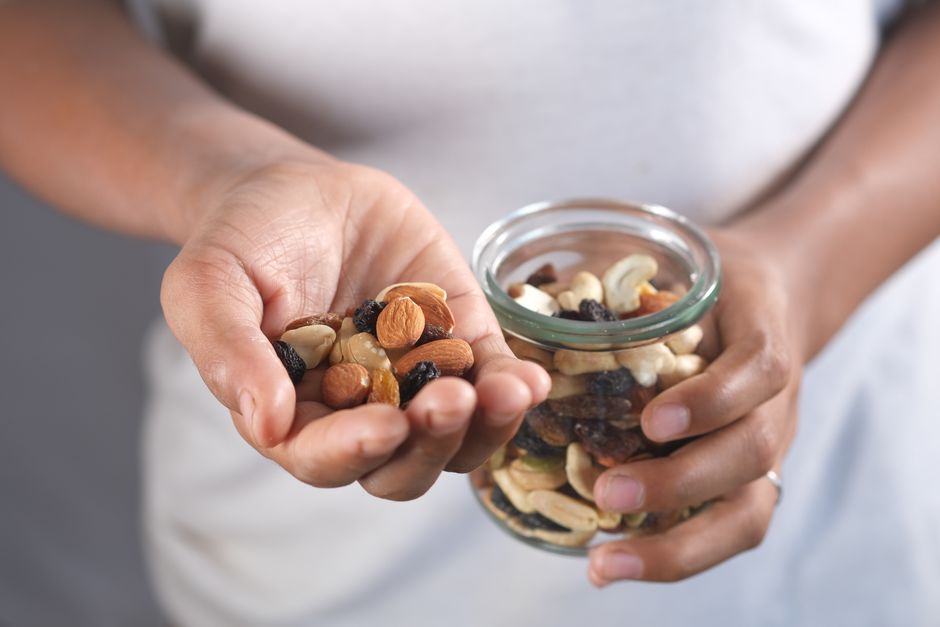
Cravings can feel like a mystery. Your brain sends a sudden, specific signal for a food, and it can be hard to ignore. When that food is almonds, it is often a mix of habit, nutrition, and simple hunger. Almonds are packed with healthy fats, protein, and fiber, which your body digests slowly. This combination keeps your blood sugar steady and your stomach feeling full. Craving them might mean you are actually hungry and your body is looking for a satisfying, nutrient-dense snack. It does not automatically mean you have a vitamin deficiency. Most of the time, a craving for almonds is just your body recognizing a food that makes you feel good and energized.
What Does a Craving for Almonds Actually Mean?
Craving a specific food is rarely a direct signal that you lack a single nutrient. Almonds are rich in magnesium, vitamin E, and healthy fats. Some people wonder if a magnesium shortage causes the craving. There is no strong clinical evidence that a deficiency makes you specifically want almonds. The human body does not usually send targeted food cravings based on nutrient gaps. That idea is popular in wellness circles, but it is not supported by solid research.
More likely, you crave almonds because they are part of your routine. If you eat them daily as a snack, your brain associates them with a break, a feeling of fullness, or a pleasant crunch. Habit is a powerful driver of food choices. Your body may also be asking for calories or protein in general, and almonds are the food you reach for most often.
Is Your Body Asking for Magnesium or Vitamin E?
Almonds are one of the best food sources of vitamin E. A one-ounce serving provides about 7.3 milligrams, which is roughly half of the daily recommended amount for adults. They also contain about 80 milligrams of magnesium per ounce. That is about 19 to 25 percent of your daily needs, depending on your age and sex. These are real numbers from USDA food composition data.
But the question is whether a craving means you are low in these nutrients. The evidence says no. Cravings are not a reliable diagnostic tool for nutrient deficiencies. If you are genuinely low in magnesium, you are more likely to feel fatigue, muscle cramps, or numbness. You would not typically develop a sudden desire for a specific nut. If you are worried about your magnesium or vitamin E levels, a blood test from your doctor is the only accurate way to know.
Could It Be Blood Sugar or Hunger Signals?
Almonds have a low glycemic index. They do not spike your blood sugar the way a cookie or a piece of white bread does. When you eat them, the protein, fat, and fiber slow down digestion. This keeps your energy level stable for hours. If you frequently crave almonds between meals, it may simply mean your blood sugar is dipping and your body wants a steady source of fuel.
This is a normal physiological response. It is not a sign of a disorder. Your brain monitors your blood glucose constantly. When levels drop slightly, you feel hungry. If almonds have satisfied that hunger before, your brain remembers. The craving is a learned response to a real biological need for energy. The fix is not complicated: eat a balanced meal with protein and fiber, and the craving often fades.





Are You Craving the Crunch or the Salt?
Sometimes the craving has nothing to do with the almond itself. Salted almonds are a common snack. If you crave salted almonds specifically, you may be responding to a need for sodium. This can happen after sweating, during hot weather, or if you have been eating a very low-sodium diet. Your body needs sodium to maintain fluid balance and nerve function. A salty snack is a direct way to meet that need.
The crunch matters too. Some research on eating behavior suggests that crunchy foods can satisfy a need for oral stimulation or stress relief. Chewing a crunchy texture can be calming for some people. If you crave almonds when you are stressed or bored, the texture may be the real draw. Unsalted almonds provide the crunch without the added sodium, which is a useful option if you are watching your salt intake.
What If You Crave Almonds Every Day?
Daily cravings are usually harmless. Almonds are a healthy food for most people. A standard serving is one ounce, which is about 23 almonds. That serving contains roughly 164 calories and 14 grams of fat. Most of that fat is monounsaturated, the same type found in olive oil. Research consistently shows that replacing saturated fats with monounsaturated fats supports heart health.
However, calories add up quickly. If you eat multiple handfuls a day on top of your regular meals, you may be taking in more calories than you realize. This is not a reason to avoid almonds. It is a reason to be mindful of portion size. If you are eating almonds to manage hunger, one serving is a reasonable snack. If you find yourself eating an entire bag in one sitting, the craving may be more about habit or emotional eating than hunger.
Could a Craving for Almonds Signal a Food Allergy or Intolerance?
This is a rare but real possibility. Some people crave foods they are mildly intolerant to. The mechanism is not fully understood, and the evidence is mixed. What is clear is that a true almond allergy is serious. Symptoms include hives, swelling, difficulty breathing, or anaphylaxis. If you experience any of these after eating almonds, you need to stop eating them and see an allergist.
An intolerance is different. It might cause bloating, stomach pain, or digestive discomfort. If you crave almonds but feel unwell after eating them, pay attention to that pattern. The craving could be your brain focusing on the food, while your gut is telling you something different. This is not a common scenario, but it is worth considering if your cravings come with digestive symptoms.
How to Respond to an Almond Craving in a Healthy Way
The simplest response is to eat a small serving of almonds. If you are truly hungry, they will satisfy you. If you are not hungry, the craving may pass within a few minutes. Drinking a glass of water first is a useful trick. Mild dehydration can feel like hunger or a food craving. Wait ten minutes after drinking water, and see if the craving is still there.
If you want variety, other nuts offer similar benefits. Walnuts provide omega-3 fatty acids. Cashews offer iron and zinc. Pistachios are lower in calories per serving. If you are craving almonds specifically for the crunch, try raw vegetables like carrots or celery. If you are craving the salt, a small piece of cheese or a handful of olives may help. The goal is not to suppress the craving. It is to understand what your body is actually asking for.
When Should You See a Doctor About Food Cravings?
Occasional cravings are normal. Persistent, intense cravings for a single food are usually not a medical emergency. However, sudden changes in appetite can sometimes signal an underlying issue. If you notice a dramatic increase in cravings, unintentional weight loss, or cravings for non-food items like ice or dirt, talk to your doctor. Cravings for non-food items, a condition called pica, can indicate an iron deficiency or other nutritional problem.
Also, if your cravings are tied to emotional states and lead to binge eating, that is worth discussing with a healthcare provider. A registered dietitian can help you build a balanced eating plan. A therapist can help if emotional eating is driving your food choices. Most almond cravings are harmless. But if they are part of a larger pattern of disordered eating, professional support is the right step.
Frequently Asked Questions
Why am I craving almonds all of a sudden?
A sudden craving usually means you are hungry or your blood sugar is dipping. It can also be a learned habit tied to a specific time of day or activity.
Does craving almonds mean I have a magnesium deficiency?
No, clinical evidence does not support the idea that cravings signal specific nutrient deficiencies. If you are concerned about magnesium, ask your doctor for a blood test.
How many almonds should I eat in a day?
A standard serving is one ounce, about 23 almonds. This provides roughly 164 calories and is a reasonable portion for a snack.
Can eating too many almonds cause weight gain?
Yes, if you eat them in large amounts on top of your regular meals. Almonds are calorie-dense, so portion control is important.
