
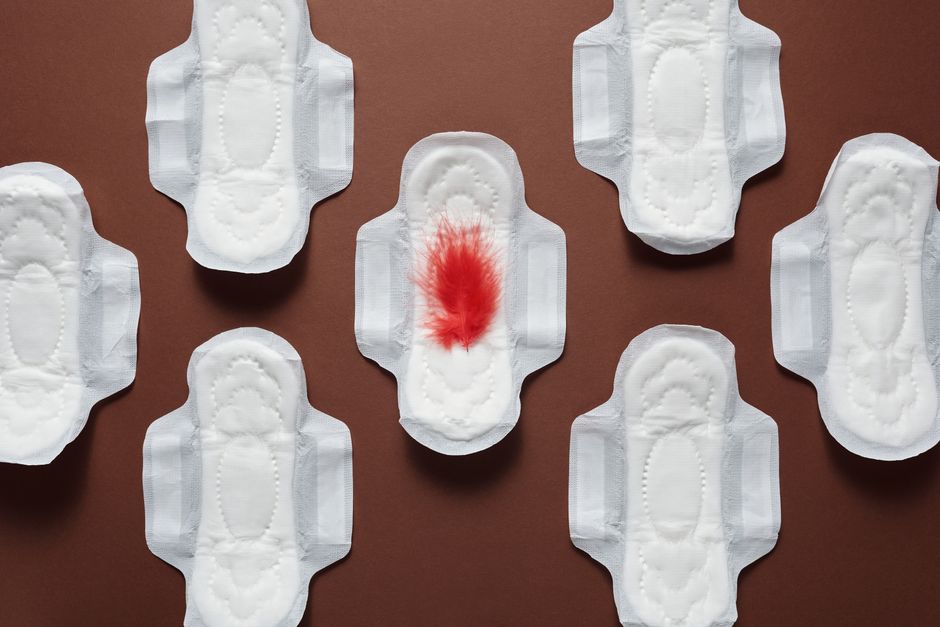
Brown discharge before a period is usually old blood leaving the body. Blood that sits in the uterus or vagina for a while loses its bright red color as it oxidizes, turning brown or dark. For most people this is a normal part of the menstrual cycle, especially in the day or two before bleeding starts. It can also come from hormonal shifts, birth control, or irritation of the cervix. Some causes are worth a doctor’s visit, and knowing which is which helps you respond calmly rather than worry.
Why Is My Discharge Brown Before My Period?
The color comes down to how long the blood has been in the body. Fresh blood is bright red. When blood stays in the uterus or vagina longer before exiting, oxygen exposure breaks down the hemoglobin inside red blood cells. That chemical change shifts the color from red to brown or dark. A light brown or pinkish tint right before your period is often the very start of the bleed — a small amount of blood mixing with normal cervical mucus.
This is one of the most common patterns in a menstrual cycle. The lining of the uterus begins to shed gradually, and the first bits of that shedding can appear hours or even a day before the main flow arrives. The same thing happens at the tail end of a period, when the last old blood clears out.
There is a useful distinction here. Brown discharge is a color, not a diagnosis. The color tells you the blood is older. It does not tell you why the blood is there. That is why the timing, your age, your birth control, and any other symptoms matter more than the shade itself.
What Causes Brown Discharge in the Days Before a Period?
Several normal and common factors explain brown discharge in the premenstrual window. Most are harmless and repeat in a predictable pattern each cycle.
Normal early shedding
The uterine lining does not always release all at once. Small amounts of blood can escape before the main flow, mix with cervical mucus, and show up as brown or light pink spotting. If this happens the same way each month, it is generally nothing to worry about.
Hormonal shifts
Estrogen and progesterone rise and fall in a pattern that controls the menstrual cycle. When progesterone drops before a period, the lining starts to break down. Small fluctuations in these hormones — from stress, weight change, thyroid function, or the natural approach of perimenopause — can cause a little spotting before the flow begins. Perimenopause in particular is a time when cycles and bleeding patterns commonly change.
Birth control
Hormonal contraception is a frequent cause of brown spotting. Low-dose combined pills, the implant, the hormonal IUD, and the shot can all produce breakthrough bleeding, especially in the first few months of use. This is a known and usually temporary side effect, though it can persist for some people. If spotting continues well beyond the adjustment period or bothers you, your prescriber can discuss options.
Ovulation spotting
Some people notice a small amount of brown or pink discharge around mid-cycle, roughly at ovulation. This is a normal variant for some and does not usually signal a problem.
Implantation bleeding
When a fertilized egg attaches to the uterine lining, it can cause light spotting. This is often described as brown or pink and tends to happen before a missed period. It is not reliable as a sign of pregnancy on its own, and many pregnant people never notice it at all.
When Is Brown Discharge a Sign of Something Else?
Brown discharge is common and usually harmless, but a few patterns deserve medical attention. The color alone does not tell you the cause. The context around it does.
- Unusual odor or itching. A change in discharge along with a strong smell, itching, or discomfort can point to an infection such as bacterial vaginosis or a yeast infection. These are common and treatable, but they need a proper diagnosis rather than a guess.
- Pain or fever. Pelvic pain, pain during sex, or fever alongside abnormal bleeding warrants prompt medical evaluation.
- Bleeding after sex or between periods. Spotting that is not tied to your cycle can sometimes relate to cervical irritation, polyps, or other conditions. This is worth checking rather than assuming.
- Bleeding after menopause. Any vaginal bleeding after menopause is not normal and should always be evaluated by a clinician.
- Very heavy or prolonged bleeding. Soaking through protection quickly, or bleeding that lasts much longer than your usual pattern, should be discussed with a doctor.
None of these automatically means something serious. They are reasons to get an answer from someone who can examine you, not reasons to panic. Most causes turn out to be manageable.





How Can You Tell Normal Brown Discharge From a Problem?
Normal discharge has a fairly consistent character. It is usually clear, white, or off-white, and it changes texture across the cycle — thinner and stretchy around ovulation, thicker before a period. A little brown tinting at the start or end of a period fits within that normal range.
What shifts the picture toward “get this checked” is a combination of changes. A new or strong odor. A color that turns green, gray, or yellow. Texture that becomes frothy or unusually clumpy. Itching, burning, or pain. Bleeding that does not follow your cycle at all.
Tracking your cycle helps here. If you note when the brown discharge appears and how long it lasts, you give a clinician useful information. A pattern that repeats predictably each month is reassuring. A pattern that is new, irregular, or accompanied by other symptoms is the kind worth investigating.
Does Brown Discharge Before a Period Mean Pregnancy?
It can, but it is not a reliable sign either way. Implantation bleeding is a real phenomenon and is sometimes brown or pink. It typically occurs before a missed period. But many people who are pregnant have no spotting at all, and most brown premenstrual discharge is simply the start of a period.
The only way to know is a pregnancy test. If you have had unprotected sex and your period is late or unusual, a home test is the reasonable next step. Timing matters — testing too early can give a false negative, so following the test instructions on when to test is important.
What Should You Do About Brown Discharge Before Your Period?
For most people, nothing needs to be done. If the pattern is familiar, there is no pain, no unusual odor, and no bleeding outside your normal cycle, it is reasonable to simply observe and track it.
If something feels off, the practical steps are straightforward. Note the timing and duration. Note any other symptoms. Then bring that information to a healthcare provider — a primary care doctor, a gynecologist, or a nurse practitioner. Many people hesitate to raise discharge concerns, but clinicians address these questions routinely.
There is no home remedy that reliably changes brown discharge, and no product that “balances” it. The useful action is understanding your own pattern and getting a professional opinion when the pattern changes. That approach is honest and it works. Anything promising a quick fix for a normal body process is selling something the evidence does not support.
Frequently Asked Questions
Is brown discharge before my period normal?
Yes, in most cases it is normal. It usually means a small amount of old blood is leaving the body before the main flow begins.
What does brown discharge before a period mean?
It typically means blood has stayed in the uterus or vagina long enough to oxidize and turn brown. It is often just the early start of a period.
Can birth control cause brown discharge before a period?
Yes, hormonal birth control commonly causes brown spotting, especially in the first few months of use. If it continues or concerns you, your prescriber can review your options.
When should I see a doctor about brown discharge?
See a doctor if you have pain, fever, a strong odor, bleeding after sex, bleeding between periods, or any bleeding after menopause. These are reasons to get checked, not to panic.
