
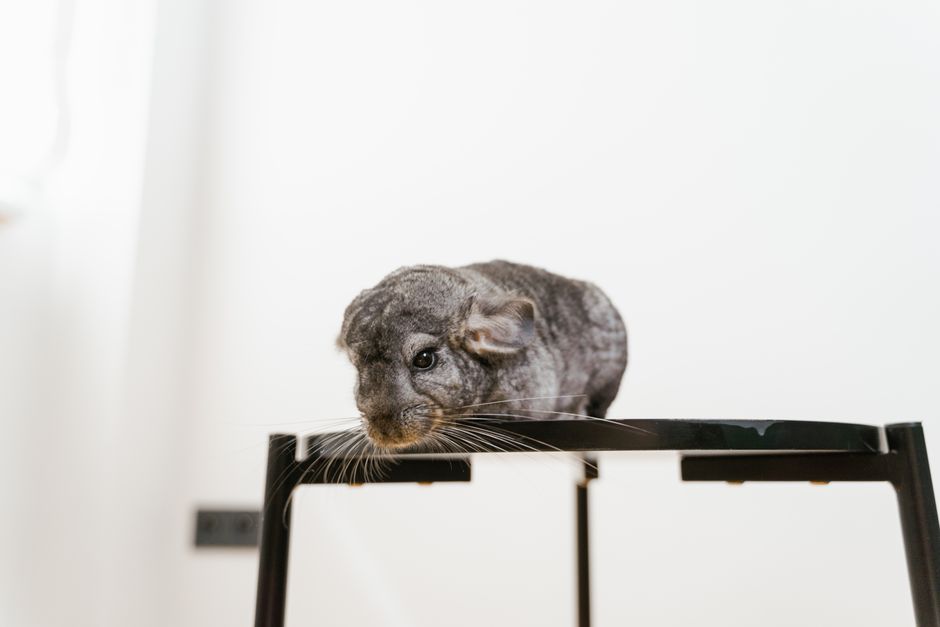
If your chinchilla is not moving, this is a medical emergency. Chinchillas are prey animals that hide illness until they can no longer compensate. A chinchilla that remains still, does not respond to touch, or refuses to move its body is likely in serious distress. Common causes include gastrointestinal stasis, heatstroke, injury, dental disease, or infection. Immediate veterinary care is essential. Do not attempt home treatment without a veterinarian’s guidance.
What Does It Mean When a Chinchilla Is Not Moving?
Chinchillas are naturally active at dawn and dusk. They hop, climb, and explore. A chinchilla that stays in one spot for hours, lies flat, or does not react when approached is showing clear signs of illness or injury. This behavior is never normal. It often indicates pain, weakness, or shock.
The body language matters. A chinchilla that is hunched, with ears drooping, eyes half-closed, or fur standing on end is unwell. If it does not move when you touch it gently or offer a favorite treat, something is wrong. Do not wait to see if it improves.
Why Is My Chinchilla Not Moving? Common Medical Causes
Several serious conditions can cause a chinchilla to stop moving. Recognizing the possible causes helps you give your veterinarian useful information, but it does not replace a physical exam.
Gastrointestinal (GI) Stasis
GI stasis is the most common emergency in chinchillas. The digestive system slows or stops, leading to gas, pain, and bloating. A chinchilla with GI stasis will stop eating and drinking, sit still, grind its teeth (a sign of pain), and may have a hunched posture. Without treatment, it can die within 12 to 24 hours.
Heatstroke
Chinchillas have thick fur and cannot sweat. They overheat easily at temperatures above 80°F (27°C). Signs include heavy breathing, drooling, lying on the side, weakness, and not moving. Heatstroke progresses rapidly. Cooling the chinchilla gently with a damp cloth (never ice water) and seeking immediate veterinary help is critical.
Injury or Trauma
A fall from a height, being stepped on, or a fight with another chinchilla can cause fractures, spinal injury, or internal bleeding. A chinchilla that cannot move its back legs may have a spinal injury. Any injury that causes pain or shock will make the chinchilla stop moving.
Dental Disease
Overgrown teeth or tooth root abscesses cause severe pain and prevent eating. A chinchilla with dental pain may drool, lose weight, and become inactive. It may sit still to avoid the pain of chewing. Dental problems are common in chinchillas fed improper diets lacking hay.
Infection or Sepsis
Bacterial infections, especially respiratory or uterine infections in females, can lead to sepsis. The chinchilla becomes lethargic, stops moving, and may have discharge from the eyes or nose. Sepsis requires aggressive veterinary treatment.
Hypothermia
Chinchillas need a stable environment between 60°F and 75°F (15°C–24°C). If temperatures drop too low, especially if the chinchilla is wet, it can become hypothermic. Shivering stops as temperature drops further, and the chinchilla becomes still and unresponsive.
Poisoning
Ingesting toxic plants, household cleaners, or certain medications can cause neurological signs, weakness, and immobility. If there is any chance of toxin exposure, tell your veterinarian immediately.
When Is It Normal for a Chinchilla to Be Still?
A healthy chinchilla rests quietly during the day but will still shift positions, eat, and respond to sounds. It will wake up and move if you open the cage or offer a treat. True stillness—no movement for hours, no reaction to stimuli—is never normal. Do not confuse normal daytime naps with a medical emergency. If you are unsure, gently touch your chinchilla. A healthy one will flinch, hop away, or look at you. A sick one will not.
Some chinchillas “freeze” when frightened, but this lasts only seconds to minutes. If the stillness persists longer than a few minutes after a perceived threat, suspect illness.




What to Do If Your Chinchilla Is Not Moving
Time is critical. Follow these steps while you arrange transport to a veterinarian who treats exotic pets.
- Check breathing. Look at the chest or feel for breath. If not breathing, attempt gentle rescue breaths (small puffs into the nose every 5 seconds) and get to a vet immediately.
- Assess temperature. If the chinchilla feels hot and the environment is warm, move it to a cooler room. If it feels cold, wrap it in a towel and hold it close to your body. Do not use heating pads without a barrier.
- Do not force feed or give medication. If the chinchilla has GI stasis or an obstruction, syringing food can be dangerous. Only a veterinarian should decide what to give.
- Keep the chinchilla calm and warm. Reduce noise, dim lights, and handle as little as possible. Stress worsens most conditions.
- Transport safely. Use a small carrier with soft bedding. Keep the carrier level and secure in a vehicle. Drive immediately to the nearest exotic animal veterinarian.
If you cannot reach an exotic vet, call any veterinary emergency clinic. Many general vets have protocols for stabilizing chinchillas until they can be transferred.
How to Prevent These Emergencies
Many causes of immobility can be prevented with proper care. Focus on these key areas:
- Diet. Unlimited timothy hay makes up 80% of the diet. Avoid pellets with seeds, dried fruit, or nuts. Fresh water daily.
- Temperature control. Keep the room between 60°F and 75°F. Use a fan or air conditioner in summer. Never place the cage in direct sunlight.
- Cage safety. Provide solid floors or ramp covers to prevent foot injuries. Remove any ledges or toys that could cause falls. Use a cage with small bar spacing.
- Regular health checks. Weigh your chinchilla weekly. A sudden weight loss is the first sign of many diseases. Check teeth for overgrowth every month.
- Clean environment. Remove soiled bedding daily. Clean water bottles and food bowls weekly to prevent bacterial growth.
- Quarantine new chinchillas. Keep new animals separate for at least two weeks to monitor for illness before introducing them to your existing pet.
No prevention plan is perfect. If your chinchilla stops moving even with excellent care, seek veterinary help immediately.
Frequently Asked Questions
Can a chinchilla die from not moving?
Yes, immobility in chinchillas is a sign of a life-threatening condition such as GI stasis, heatstroke, or sepsis. Without treatment, death can occur within hours.
How long can a chinchilla go without eating before it is an emergency?
A chinchilla should not go longer than 12 hours without eating. If it stops eating and is also not moving, seek veterinary care immediately.
What should I do if my chinchilla is not moving but breathing?
Keep it warm and calm, do not attempt to feed it, and transport it to an exotic animal veterinarian as soon as possible. Call ahead so the clinic is prepared.
Is it normal for a chinchilla to sleep all day and not move?
Chinchillas sleep during the day but will still shift positions and respond to noise or touch. If your chinchilla does not react when you gently touch it, this is not normal.
