
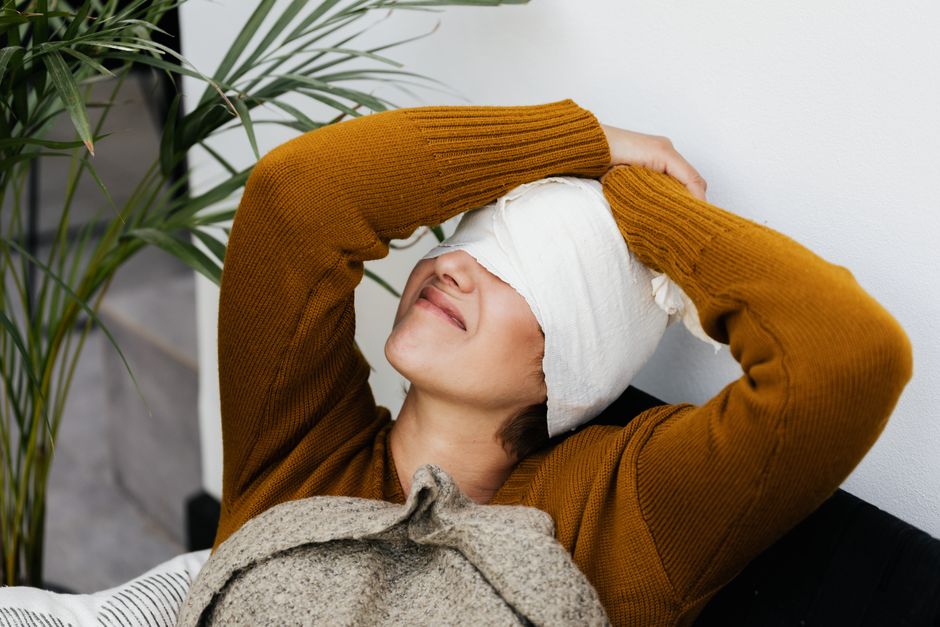
A stye is a small, painful bump on the eyelid caused by a bacterial infection, usually from bacteria that normally live on your skin. The infection starts in an oil gland or hair follicle along the eyelid edge. Most styes drain and heal on their own within a few days to a week, and simple warm compresses at home are the main treatment. Antibiotics are rarely needed.
What Causes A Stye And How To Get Rid Of One?
The eyelid is lined with dozens of tiny glands. Some produce oil to keep your tears from evaporating too fast. Others sit at the base of your eyelashes. When one of these openings gets blocked, bacteria — most often Staphylococcus aureus — can grow inside and trigger a small, localized infection.
That infection is what you feel as a tender, red lump. It is essentially a pimple on your eyelid, and the two main types have different names based on which gland is involved.
- External stye (hordeolum): Forms on the outer edge of the eyelid at a lash follicle. Points outward and often drains on its own.
- Internal stye: Forms deeper in a meibomian gland, the oil-producing glands inside the lid. Tends to be more painful and can take longer to resolve.
The distinction matters for how long it lasts and how likely it is to need a doctor’s attention, but the underlying cause is the same: a blocked gland plus bacterial overgrowth.
What Does A Stye Look And Feel Like?
A stye typically starts as a tender spot on the eyelid that becomes a red, raised bump within a day or two. It may feel like something is stuck in your eye. Your eyelid can swell, and the eye itself may water or feel irritated.
Many styes develop a tiny yellow or white head, similar to a pimple, that points toward the skin or lash line. When it drains, symptoms usually ease quickly.
Common signs include:
- A tender, red lump on the upper or lower eyelid
- Swelling of the eyelid itself
- Tearing or a gritty sensation
- Sensitivity to light in some cases
- A feeling that something is in your eye
Most styes affect just one eyelid at a time. If both eyes are involved, or if bumps appear along the lid margin in a row, that pattern more often points to blepharitis — inflammation of the eyelid margin — rather than a single stye.
How Do You Get Rid Of A Stye?
Warm compresses are the standard first step. Heat helps soften the blocked oil and improves blood flow to the area, which supports the body’s own ability to clear the infection. This is a well-established home measure, not a fringe remedy.
The general approach clinicians recommend:
- Apply a clean, warm — not hot — compress to the closed eyelid for about 10 to 15 minutes.
- Repeat this three to four times a day.
- Keep the compress clean and use a fresh one each time.
- Do not squeeze, pop, or try to drain the stye yourself.
Most styes begin to improve within a few days of consistent warm compresses. Many resolve within about a week. If a stye is not improving after several days, or is getting worse, that is the point to see a doctor.
Squeezing a stye is the most common mistake. The eyelid sits directly in front of the eye and the surrounding tissue is loose and highly vascular. Pressure can push infected material deeper into the lid or surrounding tissue instead of out. That is how a minor stye can turn into a more serious infection.





When Should You See A Doctor For A Stye?
Most styes are minor and self-limiting. A few situations warrant medical attention rather than continued home care.
See a doctor if:
- The stye is not improving after several days of warm compresses
- Swelling spreads to the whole eyelid or the area around the eye
- You have pain, redness, or swelling that is getting worse instead of better
- Your vision is affected
- You have a fever
- Styes keep coming back
Spread of infection to the tissue around the eye — called preseptal cellulitis — is uncommon but needs prompt treatment. In rare cases infection can move behind the eye, which is a medical emergency. Severe pain, bulging of the eye, or difficulty moving the eye are red flags that require urgent care.
People with certain conditions may be more prone to styes or more likely to have complications. These include diabetes, conditions that suppress the immune system, and chronic blepharitis. If you fall into one of these groups and develop a stye, involve a clinician earlier rather than waiting it out.
Do You Need Antibiotics Or Other Treatment?
Most styes do not need antibiotics. The evidence supports warm compresses and time for uncomplicated cases, and antibiotics are typically reserved for styes that are not resolving, are spreading, or occur in people at higher risk.
When treatment beyond compresses is needed, options a clinician might consider include:
- Antibiotic ointment or drops — used when a bacterial infection is clearly the cause and not clearing on its own.
- Oral antibiotics — for more extensive or stubborn infections.
- Incision and drainage — performed by a doctor for a stye that has formed a pocket of pus and is not draining. This is a minor procedure, not something to attempt at home.
Steroid drops are sometimes used for related eyelid inflammation, but they are not a first-line treatment for a simple stye and should only be used under medical supervision. Steroids can mask or worsen an infection if used incorrectly.
Stye Vs. Chalazion: What Is The Difference?
Styes and chalazia both appear as bumps on the eyelid, and people often confuse them. They have different causes.
A stye is an acute infection. It is typically tender, red, and inflamed, and it may have a visible pus point.
A chalazion is a blocked oil gland that becomes a firm, usually painless lump. It is not primarily an infection. It tends to develop more slowly and can last for weeks or longer.
| Feature | Stye | Chalazion |
|---|---|---|
| Cause | Bacterial infection of a gland or follicle | Blocked oil gland, usually not infected |
| Pain | Often tender or painful | Usually painless |
| Appearance | Red, inflamed, may have a pus head | Firm, rounded, less red |
| Typical course | Resolves in days to about a week | Can last weeks or longer |
| First-line care | Warm compresses | Warm compresses; may need drainage if persistent |
A chalazion that persists or grows may need to be evaluated and possibly drained by a doctor. A lump on the eyelid that does not go away, changes, or bleeds should always be checked, because other conditions can look similar.
How Can You Lower Your Risk Of Getting A Stye?
Styes are not fully preventable, but a few habits reduce the chance of one forming or coming back.
- Keep your hands away from your eyes. Bacteria from your hands is a common route into a gland.
- Remove eye makeup before bed and replace old mascara and eyeliner regularly.
- Do not share eye makeup, towels, or pillowcases with someone who has an eye infection.
- If you wear contact lenses, follow cleaning and replacement schedules and never sleep in lenses not approved for overnight wear.
- Manage blepharitis if you have it, since it makes gland blockages more likely.
- Wash your hands before touching your eyes or handling lenses.
If you get styes often, that pattern is worth discussing with a clinician. Recurrent styes can point to an underlying issue with the eyelid glands or to a condition that affects your immune system.
What Should You Not Do With A Stye?
Some common habits make styes worse or risk spreading the infection.
- Do not squeeze or pop it. This is the biggest risk for turning a minor problem into a serious one.
- Do not use a compress that is too hot. You can burn the thin skin of the eyelid.
- Do not wear contact lenses or eye makeup until the stye has cleared.
- Do not use leftover antibiotic drops from a previous prescription. They may not be the right drug, and using them incorrectly can cause problems.
- Do not assume every eyelid bump is a stye. A persistent or unusual lump needs a professional look.
The honest summary: a stye is a small, common infection that usually clears with warm compresses and patience. The main thing to avoid is trying to force it to drain. When in doubt, or when things are not improving, a doctor can tell the difference between a simple stye and something that needs treatment.
Frequently Asked Questions
How long does a stye usually last?
Most styes start to improve within a few days and clear up within about a week, especially with warm compresses. If it is not improving after several days or is getting worse, see a doctor.
Can I pop a stye myself?
No. Squeezing a stye can push the infection deeper into the eyelid and surrounding tissue, which can turn a minor problem into a serious one.
Is a stye contagious?
The infection itself is not spread through the air, but the bacteria involved can pass to others through shared towels, pillowcases, or eye makeup. Do not share these items while you have an active stye.
When should I worry about a stye?
Seek medical care if the swelling spreads, your vision changes, you have a fever, or the stye keeps getting worse. Severe pain or a bulging eye needs urgent attention.
