
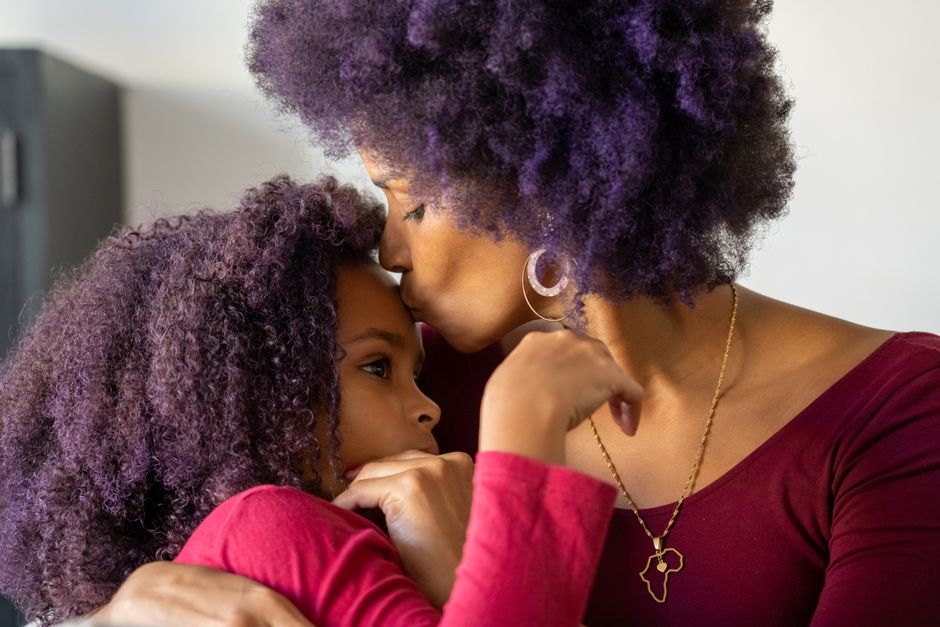
If your 10-year-old daughter cries over a lost pencil one minute and slams her door the next, you are not alone. This behavior is not a sign of bad parenting or a “difficult” child. It is a normal part of brain development. At ten, her brain is rewiring itself for adolescence, and her emotional center is developing faster than the part of the brain that controls impulses and reasoning. The result is big feelings that often feel overwhelming to her, even when the trigger seems small to you.
What Is Happening in Her Brain Right Now?
The most important thing to understand is that this is biology, not attitude. The brain develops from back to front. The back areas handle basic functions and strong emotions. The front area, the prefrontal cortex, handles logic, planning, and self-control. In a 10-year-old, the front is still under construction.
Meanwhile, the amygdala, which acts like an alarm system, is highly active. It reacts quickly and strongly to perceived threats or frustrations. When your daughter’s alarm goes off, she cannot simply “calm down” on command. Her brain has not yet built the wiring to do that reliably. This is why she might cry over something trivial or explode over a homework question. The emotional response is real, even if the trigger seems minor.
Hormones also play a role. Adrenarche, the early stage of adrenal hormone production, typically begins around age 6 to 8 and ramps up around 10. These hormones do not cause full puberty yet, but they do increase emotional sensitivity and moodiness. This is a normal developmental stage, not a medical problem.
Why Is My 10 Year Old Daughter So Emotional at Home But Fine at School?
This is one of the most common patterns parents report. Your daughter may hold it together all day at school, following rules and managing social pressures. When she gets home, she lets her guard down. Home is her safe place. Releasing pent-up emotions there is actually a sign of trust, not disrespect.
School demands constant emotional regulation. She has to sit still, wait her turn, and manage peer relationships. That takes effort. By the time she walks through your door, her emotional reserves are empty. The smallest request, like “please put your shoes away,” can tip her over the edge.
This behavior is often called “after-school restraint collapse.” It is common in children this age. It does not mean something is wrong. It means she is using her limited self-control at school and needs a safe outlet at home. Many parents find that giving her 20 to 30 minutes of unstructured downtime, a snack, and no demands immediately after school reduces the emotional explosions.
Social Pressures and Friendship Drama
At ten, friendships become more complex. Children this age start to care deeply about social belonging. They are more aware of who is “in” and who is “out.” A disagreement with a best friend can feel devastating, even if it seems trivial to an adult.
Social media and peer dynamics add another layer. Even if your daughter does not have a phone, she likely hears about group chats, online arguments, or social snubs at school. She may not have the language to explain these worries. Instead, the distress comes out as tears, irritability, or withdrawal.
This is also the age when children begin to compare themselves to others. They notice who is better at sports, who gets invited to parties, and who has certain clothes or toys. These comparisons can trigger feelings of insecurity. When she is crying over “nothing,” it may actually be about a social hurt she cannot articulate.





School Stress and Academic Pressure
Fourth and fifth grade bring heavier academic demands. There are more assignments, more tests, and higher expectations for independent work. Some children manage this easily. Others feel overwhelmed by the pressure to perform.
Your daughter may worry about disappointing you or her teacher. She may feel anxious about a test days before it happens. That anxiety can show up as irritability, stomachaches, or crying over homework. The emotional outburst is often the visible tip of an anxiety iceberg.
If her meltdowns often happen around homework time, consider the timing. Is she hungry? Tired? Has she had any break since school? Addressing those basics first can reduce the emotional load. If academic anxiety is persistent, a conversation with her teacher can help you understand what she is experiencing in the classroom.
Sleep, Hunger, and Physical Causes
Emotional regulation runs on fuel. A tired or hungry child cannot manage frustration well. Research consistently shows that poor sleep increases irritability and emotional reactivity in children. A 10-year-old typically needs 9 to 12 hours of sleep per night. Many children this age get far less.
Blood sugar dips also trigger mood swings. If she goes too long without eating, her body releases stress hormones that make her feel on edge. A protein-rich snack after school can make a noticeable difference in her mood within 20 minutes.
Physical discomfort matters too. Growth spurts can cause aches and pains. Vision problems can make reading exhausting. Hearing issues can make classroom instructions hard to follow. If emotional outbursts seem new or suddenly worse, a checkup with her pediatrician is a reasonable step.
What Is Normal Versus a Sign of Something More?
Moodiness, tears, and occasional door-slamming are normal at this age. But there are signs that suggest a deeper problem. Watch for changes that last more than a few weeks or that affect her daily functioning.
Seek professional guidance if you notice any of the following:
- Emotional outbursts that happen daily and last more than 30 minutes
- Refusing to go to school or extreme distress about attending
- Withdrawal from friends or activities she used to enjoy
- Changes in sleep or appetite that persist
- Talk of self-harm or feeling like she wants to disappear
- Physical symptoms like frequent headaches or stomachaches with no clear cause
These signs do not automatically mean something is wrong. But they warrant a conversation with her pediatrician or a child mental health professional. Early support is always better than waiting to see if things improve on their own.
How to Respond When She Melts Down
How you respond in the moment matters more than any long-term strategy. When she is in the middle of an emotional storm, her logical brain is offline. Trying to reason with her or explain why she is overreacting will not work. It often makes things worse.
Stay calm. Your calm presence helps her nervous system settle. Speak in a low, steady voice. Keep your sentences short. Acknowledge her feeling first: “You are really upset right now.” This does not mean you agree with her behavior. It means you see her.
Do not try to solve the problem during the meltdown. Wait until she is calm, which may take 15 to 30 minutes. Then you can talk about what happened and what she might do differently next time. This is when her brain can actually process what you are saying.
Physical connection can help some children. A hug, or simply sitting nearby, can be calming. But respect her space if she pulls away. The goal is to help her feel safe, not to force comfort.
Building Emotional Skills for the Long Term
Emotional regulation is a skill, not a trait. Like any skill, it develops with practice. You can help her build it when she is calm, not during a meltdown.
Name emotions together. Many children only know “mad” and “sad.” Help her build a richer vocabulary: frustrated, disappointed, embarrassed, overwhelmed, anxious. When she can name a feeling, it becomes less overwhelming.
Teach her to notice physical signs of rising emotion. Does her heart beat faster? Do her shoulders tense? Does her voice get louder? Recognizing these early warning signs gives her a chance to act before the storm hits.
Practice simple calming strategies together when she is already calm. Deep breathing, drinking cold water, or stepping outside for a minute can all help. But practice them when she is relaxed. A child cannot learn a new skill in the middle of a panic.
When to See a Doctor
If her emotional intensity is affecting her friendships, her schoolwork, or your family life, it is worth getting help. You do not need to wait for a crisis. A pediatrician can rule out physical causes and refer you to a child psychologist or counselor if needed.
Some parents worry that seeking help means they failed. It does not. It means you are paying attention. Many children benefit from a few sessions with a therapist to learn coping skills. This is not about labeling her with a disorder. It is about giving her tools she will use for the rest of her life.
Trust your instincts. You know your daughter better than anyone. If something feels off, it is worth exploring. A professional can help you sort out what is normal developmental turbulence from what needs more attention.
Frequently Asked Questions
Is it normal for a 10-year-old to cry over small things?
Yes, this is normal at this age. Her emotional brain is developing faster than her impulse control, so small triggers can produce big reactions.
Can hormones make a 10-year-old emotional?
Yes. Adrenal hormones begin increasing around age 8 to 10, which can heighten emotional sensitivity even before visible puberty begins.
How long do emotional meltdowns last in a 10-year-old?
Most meltdowns last 10 to 20 minutes. If they regularly last longer than 30 minutes or happen daily, it is worth discussing with a pediatrician.
Should I punish my daughter for emotional outbursts?
No. Punishing emotional expression teaches her to hide feelings, not manage them. Focus on helping her calm down first, then address behavior afterward.
