
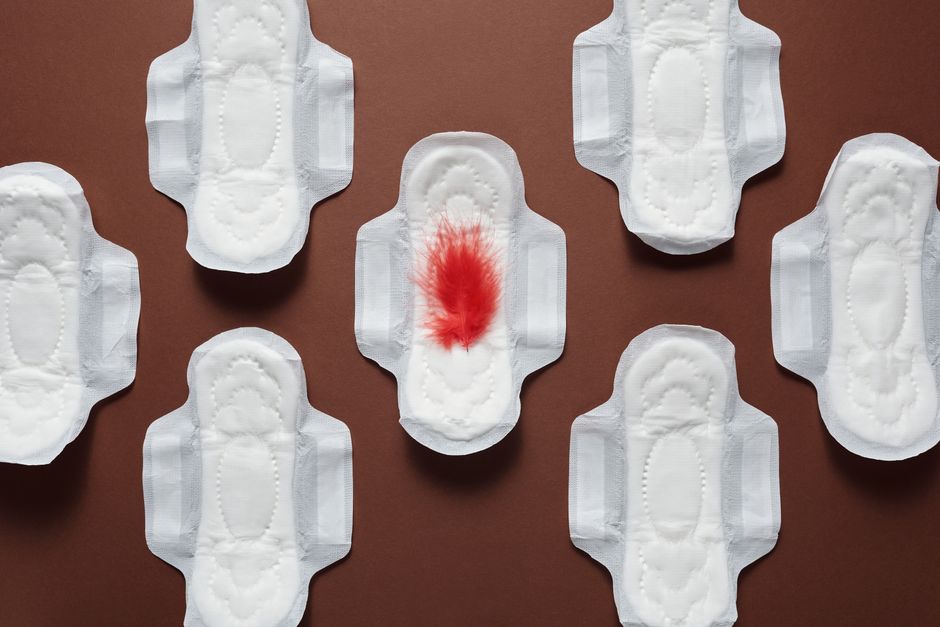
Seeing brown blood on your pad or tissue can be surprising, but it is usually a normal part of your menstrual cycle. Brown blood is simply older blood that took longer to leave your body. When blood sits in your uterus or vagina, it oxidizes, which turns it from bright red to a darker brown color. For most people, this is completely harmless and happens at specific points in their cycle.
Why Is Menstrual Blood Brown? Causes And Concerns
The color of menstrual blood changes based on how long it takes to leave the body. Fresh blood is bright red because it leaves quickly. Brown blood has been exposed to oxygen for a longer period, which causes a chemical reaction called oxidation. This is the same process that turns a cut apple brown after it is exposed to air.
Brown blood most often appears at the very beginning or the very end of your period. At the start, the flow may be light and slow, giving blood time to oxidize. At the end, the remaining blood is being cleared out slowly. Both situations are normal and rarely a reason for concern.
What Does Brown Blood Mean at Different Times in Your Cycle?
Brown blood can appear at different times, and the meaning changes depending on when it happens. Understanding the timing helps you know whether it is normal or worth discussing with a clinician.
At the start of your period. Brown blood on the first day or two is common. The flow is light, and the blood moves slowly from the uterus through the cervix. This slow movement allows oxidation to occur before the blood reaches your pad or underwear.
At the end of your period. Brown blood in the final days is also normal. The flow is slowing down, and the body is clearing out the last of the uterine lining. This leftover blood is older and has had more time to oxidize.
Between periods. Brown spotting mid-cycle can happen during ovulation for some people. It may also occur after sex or after a pelvic exam. If the spotting is light and brief, it is usually not a concern.
During early pregnancy. Light brown spotting can occur when a fertilized egg implants in the uterine lining. This is called implantation bleeding and typically happens about 10 to 14 days after conception. It is usually light and lasts only a day or two.
When Is Brown Blood a Sign of Something Else?
Brown blood is usually harmless, but there are situations where it signals an underlying condition. Pay attention to other symptoms that accompany the brown discharge.
If brown blood appears with pelvic pain, fever, or an unusual odor, it could indicate an infection. Pelvic inflammatory disease, which is an infection of the reproductive organs, can cause abnormal discharge. Sexually transmitted infections can also cause brown spotting or bleeding between periods.
Uterine fibroids, which are non-cancerous growths in the uterus, can cause irregular bleeding and brown discharge. Polyps, which are small growths on the cervix or inside the uterus, can also cause spotting. These conditions are common and often treatable, but they require a medical evaluation.
In rare cases, brown blood can be a sign of a miscarriage or an ectopic pregnancy, which is a pregnancy that implants outside the uterus. If you are pregnant and notice brown bleeding with cramping or pain, seek medical care promptly.





Does Brown Blood Mean Your Period Is Abnormal?
Not usually. The color alone does not tell you whether your period is healthy. What matters more is the overall pattern of your cycle, the amount of flow, and any symptoms you experience.
A normal menstrual cycle lasts between 21 and 35 days. Bleeding typically lasts between 2 and 7 days. If your cycle falls within this range and you feel well, brown blood at the start or end of your period is not a sign of a problem.
You should talk to a clinician if you notice any of the following:
- Brown discharge that lasts more than a few days outside your normal period
- Heavy bleeding that requires changing a pad or tampon every hour
- Blood clots larger than a quarter
- Pelvic pain that is severe or persistent
- Brown discharge with a foul odor
- Irregular cycles that change suddenly
Can Birth Control Cause Brown Blood?
Yes. Hormonal birth control can cause brown spotting, especially during the first few months of use. This is called breakthrough bleeding and is common when your body is adjusting to new hormone levels.
Some types of birth control cause more spotting than others. Progestin-only methods, such as the mini-pill, the implant, or the hormonal IUD, are more likely to cause irregular spotting. This is because these methods thin the uterine lining, which makes it more fragile and prone to light bleeding.
If you have been on the same birth control for more than three months and are still experiencing brown spotting, talk to your clinician. Sometimes a different formulation or method works better for your body.
What About Brown Blood After Menopause?
Brown blood or spotting after menopause is different from brown blood during your reproductive years. Menopause is defined as 12 consecutive months without a period. Any vaginal bleeding after that point needs to be evaluated.
Postmenopausal bleeding can be caused by vaginal dryness, thinning of the vaginal tissues, or benign polyps. However, it can also be a sign of endometrial cancer or other serious conditions. The American College of Obstetricians and Gynecologists recommends that all postmenopausal bleeding be evaluated by a clinician.
Do not wait to see if it goes away. An ultrasound or a biopsy can determine the cause, and early detection is important for the best outcomes.
How Is Brown Blood Different From Other Discharge?
Brown blood is distinct from other types of vaginal discharge. Normal discharge is clear or white and does not have a strong odor. Brown discharge contains blood and may appear at various points in your cycle.
Some people confuse brown discharge with other conditions. Here is a quick comparison:
| Type | Appearance | Common Causes |
|---|---|---|
| Brown blood | Brown to dark reddish-brown | Oxidized blood, end or start of period |
| White discharge | Thick or thin, white or clear | Normal cycle changes, ovulation |
| Yellow or green discharge | Thick, may have odor | Possible infection such as trichomoniasis |
| Gray discharge | Thin, fishy odor | Bacterial vaginosis |
If your discharge changes color and is accompanied by itching, burning, or a strong odor, it may be an infection that needs treatment.
When Should You See a Doctor About Brown Blood?
Most brown blood is not an emergency. However, certain situations warrant a medical visit. Trust your instincts if something feels off.
Make an appointment if you experience brown discharge that continues for more than a few days outside your normal period, brown blood with severe cramping, or brown discharge after menopause. You should also see a clinician if you are pregnant and have any bleeding, or if you have irregular cycles that are new for you.
It is also worth checking in with a clinician if brown blood appears after you start a new medication or if you have a history of gynecological conditions. A quick exam can provide peace of mind and rule out anything serious.
Frequently Asked Questions
Is brown blood normal at the start of my period?
Yes, brown blood at the start of your period is normal. It means the blood is older and has oxidized while moving slowly from your uterus.
Can brown blood mean I am pregnant?
Brown spotting can occur during implantation, but it is not a reliable sign of pregnancy. If you suspect pregnancy, take a home test or see a clinician.
Should I worry about brown blood with clots?
Small clots are normal, especially on heavier days. Large clots bigger than a quarter or clots with severe pain should be evaluated by a clinician.
How long does brown blood last before a period?
Brown spotting a day or two before your period is common. If it lasts longer than a few days, it is worth discussing with a clinician.
