
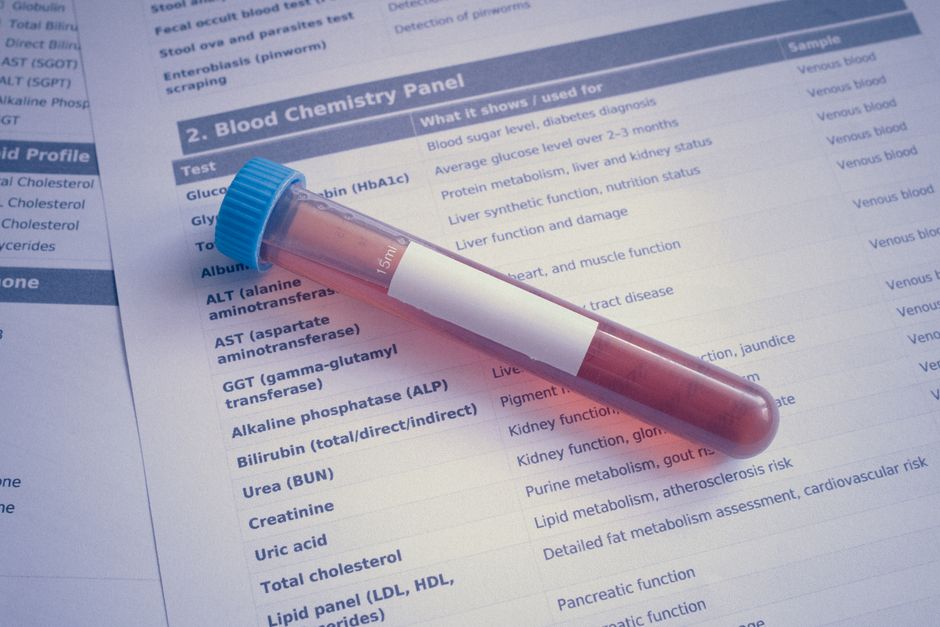
A white blood cell (WBC) count is a measure of the infection-fighting cells in your blood. A normal WBC count for most adults is between 4,000 and 11,000 cells per microliter (mcL). This range is a general reference point. What counts as normal can shift slightly depending on your age, the lab that runs the test, and your individual health history.
Doctors order a WBC count as part of a complete blood count (CBC), one of the most common blood tests in medicine. The number itself rarely tells the whole story. What matters is the context: your symptoms, your other blood values, and how your count compares to your own past results.
What Is Normal WBC Blood Count?
The standard adult reference range is 4,000 to 11,000 white blood cells per microliter of blood. This is the range most clinical labs use to flag results as low or high.
That range is not a universal constant. Different laboratories set their own reference intervals, and those intervals can vary by a few thousand cells in either direction. A result of 3,800 at one lab might be flagged as low, while the same number at another lab falls just inside its range. This is why comparing your result to the specific range printed on your lab report matters more than comparing it to a number you found online.
Age changes the picture too. Children normally have higher white blood cell counts than adults. Newborns can have counts well above the adult range, and the numbers gradually decline through childhood and adolescence. Pregnancy can also raise the count slightly, which is a normal physiological response rather than a sign of illness.
Race and ethnicity can affect the range as well. Some clinical data show that people of African descent may have white blood cell counts that run slightly lower than the standard reference range without any underlying health problem. This is one reason a doctor looks at the full picture rather than a single number.
What Do the Different Types of White Blood Cells Do?
A WBC count measures all white blood cells together, but there are several distinct types. A CBC with differential breaks the total into individual categories. Each type has a different job.
- Neutrophils are the most abundant white blood cells in adults. They are the body’s first responders to bacterial infection.
- Lymphocytes include T cells, B cells, and natural killer cells. They handle viral infections and produce antibodies.
- Monocytes help clean up dead cells and fight certain infections.
- Eosinophils are involved in allergic reactions and fighting parasites.
- Basophils are the least common type. They release histamine during allergic responses.
When a doctor looks at a differential, they are not just checking whether the total is normal. They are checking whether the mix of cell types is normal. A total count can look fine while the proportions are off, and that pattern can point to specific problems.
What Causes a High White Blood Cell Count?
A count above the reference range is called leukocytosis. The most common cause is the body responding to an infection. When bacteria invade tissue, the bone marrow releases more neutrophils into the bloodstream. That is a normal immune response, not a disease in itself.
Other causes of a high count include:
- Bacterial infections, which typically raise neutrophil counts
- Viral infections, which often raise lymphocyte counts
- Physical or emotional stress, including surgery, trauma, or intense exercise
- Inflammation from conditions like rheumatoid arthritis or inflammatory bowel disease
- Corticosteroid medications, which can push neutrophils higher
- Smoking, which is associated with persistently elevated counts
- Allergic reactions and asthma, which raise eosinophils
- Blood cancers such as leukemia, where the bone marrow produces abnormal white cells
An elevated count does not automatically mean cancer. Most high counts are temporary and linked to infection or stress. But a very high count, or one that stays elevated without an obvious cause, warrants further testing. A doctor may order a differential, a blood smear, or a bone marrow biopsy to find out why.



What Causes a Low White Blood Cell Count?
A count below the reference range is called leukopenia. Since neutrophils are the most common white cell, a low total usually means low neutrophils, a condition called neutropenia.
The most significant risk with a low count is infection. Neutrophils are the front line against bacteria, and when they are scarce, the body struggles to fight off pathogens that would normally be harmless.
Common causes of a low count include:
- Viral infections such as influenza, HIV, or hepatitis
- Chemotherapy and radiation therapy, which suppress bone marrow production
- Certain medications, including some antibiotics, antipsychotics, and thyroid drugs
- Autoimmune conditions like lupus, where the immune system attacks its own cells
- Bone marrow disorders, including aplastic anemia and myelodysplastic syndromes
- Vitamin deficiencies, particularly B12 and folate
- Overwhelming infection, where the body uses white cells faster than it can make them
Some people have a mildly low count for years with no symptoms and no underlying disease. This is sometimes called benign ethnic neutropenia, and it is more common in people of African descent. It is not dangerous on its own, but it can complicate how doctors interpret future blood tests.
When Should You Be Concerned About Your WBC Count?
A single abnormal result is rarely enough to diagnose anything. White blood cell counts fluctuate. A mild cold, a stressful week, or a hard workout the day before your blood draw can nudge the number up or down.
What matters more is the pattern. A count that is mildly outside the range but stable over time is usually less concerning than one that changes sharply. A doctor will consider:
- Whether you have symptoms like fever, fatigue, frequent infections, or unexplained weight loss
- Whether other blood values are abnormal, such as red blood cell or platelet counts
- Whether the differential shows a specific pattern, such as very high neutrophils or very low lymphocytes
- Whether you take medications known to affect white cell production
- Whether you have a history of autoimmune disease, cancer, or immune deficiency
For a low count, the main concern is infection risk. A doctor may recommend avoiding crowds, practicing good hand hygiene, and watching for fever. For a high count, the focus is finding the source. If no infection or inflammation is found, further testing may be needed.
How Is a WBC Count Measured?
A WBC count is measured from a small sample of blood, usually drawn from a vein in your arm. The sample goes into a machine that counts cells automatically. If the result is abnormal, a lab technician may examine the blood under a microscope to confirm the finding and look at the cell shapes.
No special preparation is needed for a WBC count. You do not have to fast. But tell your doctor about any medications you take, since some drugs can affect the result. Also mention if you have been sick recently, even with a mild illness, because that can change the number.
Results are usually available within a day. If your count is significantly outside the range, your doctor may repeat the test to rule out a lab error or a temporary fluctuation.
What Else Can Affect Your WBC Count?
Several factors can shift your count without any disease process. Knowing these helps you interpret your result accurately.
- Time of day. Counts tend to be lower in the morning and higher in the afternoon.
- Exercise. Strenuous activity can temporarily raise the count.
- Stress. Physical or emotional stress can release white cells from the bone marrow.
- Smoking. Smokers often have higher counts than non-smokers.
- Pregnancy. Counts rise slightly during pregnancy, especially in the later stages.
- Altitude. People living at high altitudes may have different baseline counts.
One less obvious point: a normal total WBC count does not guarantee a normal immune system. The differential matters. You can have a normal total but a low neutrophil count, which still raises infection risk. That is why doctors rarely look at the total alone.
What Should You Do If Your Count Is Abnormal?
Do not panic. Most abnormal results are mild and temporary. The first step is to talk to your doctor about what the number means in your specific situation.
Ask for a copy of your lab report. Check the reference range printed on it, since that is the range your result was compared against. If the result is only slightly outside the range, your doctor may simply repeat the test in a few weeks.
If the result is significantly high or low, or if you have symptoms, further testing may be needed. This could include a differential, a blood smear, or tests for specific infections or autoimmune conditions. In some cases, a bone marrow biopsy is necessary to evaluate how the bone marrow is producing cells.
No clinical guidelines currently recommend treating a mildly abnormal WBC count in an otherwise healthy person without symptoms. Treatment depends on the underlying cause, not the number itself.
Frequently Asked Questions
What is a normal WBC count for adults?
A normal adult WBC count is generally between 4,000 and 11,000 cells per microliter. Some labs use slightly different ranges, so check the reference range on your own lab report.
What if my WBC count is slightly low?
A mildly low count is often temporary and linked to a recent viral infection or medication. If you have no symptoms and other blood values are normal, your doctor may simply repeat the test later.
Can stress raise your white blood cell count?
Yes. Physical and emotional stress can cause a temporary rise in white blood cells. This is a normal response and usually resolves once the stress passes.
Does a high WBC count always mean cancer?
No. Most high counts are caused by infection, inflammation, or stress. Blood cancers are a less common cause, and a doctor would need further testing to confirm or rule them out.
