
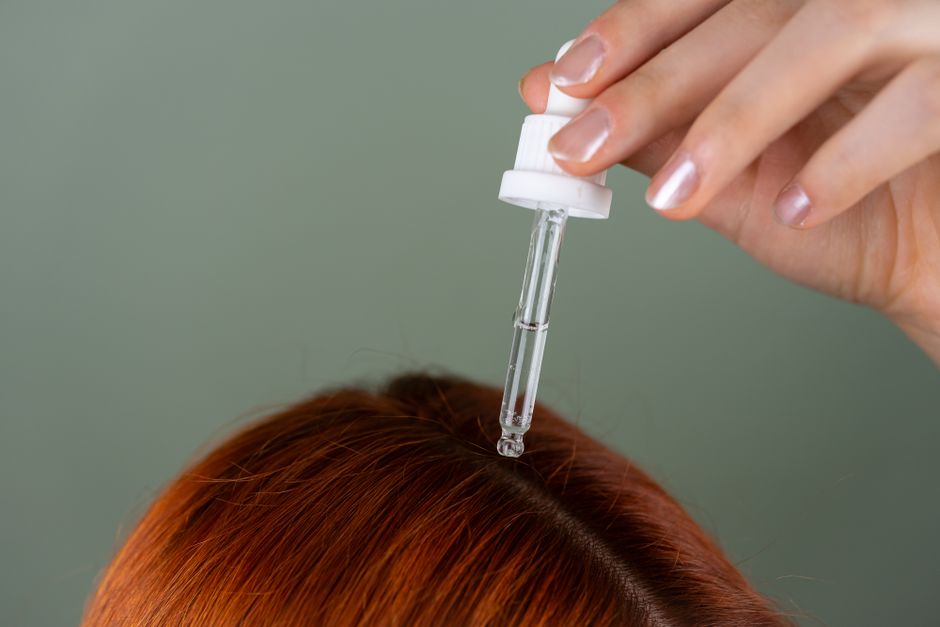
Ringworm has nothing to do with worms. The name comes from the circular, ring-shaped rash that appears on the skin, and early doctors mistakenly thought a worm caused it. The actual cause is a group of fungi called dermatophytes that infect the top layer of skin, hair, or nails. Despite the misleading name, ringworm is a common and treatable fungal infection, not a parasite.
Why Is It Called Ringworm If It Is Not a Worm?
The name “ringworm” dates back centuries, long before anyone knew about fungi. When people saw the red, raised, circular patches on the skin, they assumed a worm had burrowed under the surface. The word “ring” described the shape, and “worm” described the imagined cause.
The medical term for ringworm is tinea, which comes from the Latin word for “moth” because the patches looked like moth holes in fabric. That name stuck too. Today, doctors use “tinea” followed by the body part affected — tinea capitis for the scalp, tinea corporis for the body, and tinea pedis for the feet, better known as athlete’s foot.
So the name is a historical accident. The infection is purely fungal. No worms are involved at any stage.
What Actually Causes Ringworm?
Ringworm is caused by a group of fungi called dermatophytes. These fungi feed on keratin, a protein found in skin, hair, and nails. They do not eat living tissue — they live on the dead outer layers.
The fungi release enzymes that break down keratin, which causes the inflammation and itching you feel. The body’s immune response creates the raised, red border that makes the rash look like a ring. The center often clears up because the fungus has already moved outward.
Dermatophytes are spread by direct contact. You can get ringworm from:
- An infected person or animal — cats and dogs are common carriers
- Contaminated surfaces like gym floors, shower stalls, and locker rooms
- Shared items such as towels, combs, bedding, and sports equipment
- Soil in rare cases, especially if you work with contaminated dirt
The fungus can survive on surfaces for months. That is why ringworm spreads so easily in places like schools, gyms, and households.
Can You Catch Ringworm from Animals?
Yes, and this is one of the most common ways people get ringworm. Cats, especially kittens, and dogs carry the fungus without always showing symptoms. They may have small bald patches or scaly spots, or they may look perfectly healthy.
The CDC reports that ringworm is one of the most common skin infections in children, and animal contact is a major source. You can catch it by petting an infected animal, handling its bedding, or even touching furniture it has been on.
Farm animals like cattle, horses, and goats can also carry ringworm. If you work with animals or have pets, wash your hands after handling them and keep their living areas clean. If your pet develops bald patches or scaly skin, take them to a vet. Treating the animal prevents reinfection for the whole household.





What Does Ringworm Look Like and How Is It Diagnosed?
Ringworm usually starts as a flat, scaly patch. Over days or weeks, it expands outward into a circular ring with a raised, red border. The center may look normal or slightly scaly. Some people get multiple rings that overlap.
The rash can be itchy, but not always. On the scalp, ringworm causes scaling, redness, and hair loss in patches. On the feet, it looks like peeling, cracked skin between the toes. On the nails, it causes thickening, discoloration, and crumbling.
Doctors usually diagnose ringworm by looking at it. They may scrape a small sample of skin or hair and look at it under a microscope. A potassium hydroxide (KOH) test can confirm the fungus is present. In unclear cases, a fungal culture is used, though that takes two to four weeks.
Research published in the Journal of the American Academy of Dermatology notes that KOH testing is about 80 to 90 percent accurate when done correctly. Most cases are straightforward, but ringworm can look like eczema, psoriasis, or Lyme disease. If the rash does not respond to over-the-counter creams, see a dermatologist.
What Treatments Actually Work for Ringworm?
Mild ringworm on the body usually clears up with over-the-counter antifungal creams. Clotrimazole (Lotrimin), miconazole (Micatin), and terbinafine (Lamisil) are the most common. Research shows terbinafine works slightly faster — often clearing the rash in one to two weeks.
Apply the cream to the rash and about an inch beyond the border. The fungus often spreads invisibly beyond the visible ring. Continue using the cream for one week after the rash disappears. Stopping too early is the main reason ringworm comes back.
For scalp ringworm, creams alone do not work because the fungus is deep in the hair follicles. Oral antifungal medication is required. Griseofulvin was the standard for decades, but terbinafine and itraconazole are now more common. Treatment lasts four to eight weeks.
For nail infections, oral medication is also needed. Nail ringworm is slow to treat — it can take three to six months for a new, clear nail to grow in. Over-the-counter nail products rarely work for fungal nail infections.
One comparison table may help clarify options:
| Location | Typical Treatment | Duration |
|---|---|---|
| Body (tinea corporis) | OTC antifungal cream | 2-4 weeks |
| Scalp (tinea capitis) | Oral antifungal medication | 4-8 weeks |
| Feet (tinea pedis) | OTC or prescription cream | 2-6 weeks |
| Nails (tinea unguium) | Oral antifungal medication | 3-6 months |
What Common Mistakes Make Ringworm Worse?
The biggest mistake is using steroid creams like hydrocortisone on ringworm. Steroids reduce inflammation and itching temporarily, which feels good at first. But they also suppress the immune response, allowing the fungus to spread faster and deeper. This is called “tinea incognito” — ringworm that looks unusual because it has been masked by steroids.
A study in Dermatology found that up to 40 percent of ringworm cases seen by dermatologists had been treated with steroid creams first. Those cases took longer to clear and required stronger medication.
Other mistakes include:
- Stopping treatment too early — the rash may look gone but the fungus is still there
- Sharing towels or bedding while infected — this spreads the fungus to others
- Ignoring pets — untreated animals reinfect people in the household
- Using home remedies like vinegar or tea tree oil as the only treatment — these have weak evidence and often fail
If the rash does not improve after two weeks of proper antifungal cream, see a doctor. You may need a different medication or a stronger strength.
How Long Does Ringworm Take to Clear?
With proper treatment, ringworm on the body usually starts to improve within a few days. The itching stops first, then the redness fades. The ring may take two to four weeks to disappear completely.
Scalp ringworm takes longer because oral medication needs time to reach the hair follicles. You may not see improvement for two to four weeks, and treatment often continues for two months. During that time, the infected hair may fall out and regrow.
Nail ringworm is the slowest. A new nail grows in from the base, so you have to wait for the infected nail to grow out. Fingernails take about six months to fully replace. Toenails take twelve to eighteen months.
Some people report that ringworm recurs even after successful treatment. This is usually because they were reinfected from a pet, a contaminated surface, or a family member who was not treated. It is also possible to have a fungal infection without symptoms and pass it to someone else.
Frequently Asked Questions
Can ringworm spread to other parts of my body?
Yes. Touching the rash and then another part of your body can spread the fungus. Wash your hands after applying cream and avoid scratching.
Is ringworm contagious after starting treatment?
Ringworm becomes less contagious after 48 hours of antifungal treatment, but it is safest to avoid close contact until the rash clears completely.
Can ringworm go away on its own without treatment?
It can in some people, but it often takes months and may spread. Treatment speeds healing and reduces the risk of infecting others.
How do I clean my house after ringworm?
Wash bedding, towels, and clothes in hot water with detergent. Vacuum carpets and furniture. Disinfect combs, brushes, and surfaces with diluted bleach or a commercial antifungal cleaner.
