
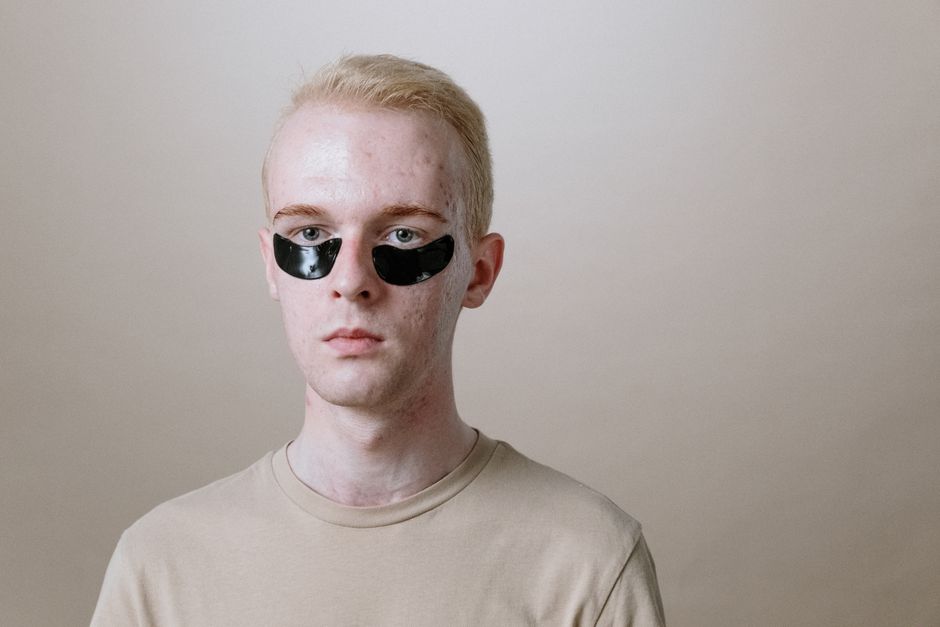
Finding pimples on the back of your neck is common, but that does not make it less annoying. The skin there is thicker than your face, yet it has large oil glands and is constantly rubbed by collars, hair, and jewelry. Most bumps in this area are either acne caused by blocked pores or folliculitis, an infection of the hair follicles. Friction, sweat, and certain hair products are the usual triggers, but hormonal shifts and bacterial overgrowth also play a central role.
What Causes Pimples On The Back Of The Neck?
The back of the neck has a high concentration of sebaceous glands. These glands produce sebum, an oily substance that keeps skin moist. When dead skin cells mix with excess oil, they can clog the hair follicle. This trapped material becomes a pimple.
Unlike the face, the neck is a friction zone. Collars, backpack straps, seat belts, and long hair constantly rub against the skin. This physical irritation can inflame existing blockages or create new ones. Sweat trapped against the skin after a workout or a hot day makes the problem worse because it mixes with oil and dead skin cells.
The hairline at the nape of the neck is also a common site for acne cosmetica. This type of acne develops when heavy conditioners, styling gels, pomades, or leave-in treatments transfer onto the skin and clog pores. If you use hair products and break out along the back of your neck, the products are often the culprit.
Is It Acne Or Folliculitis?
Not every bump on the back of the neck is acne. Folliculitis is an inflammation or infection of the hair follicle itself. It looks similar to acne but has a different cause. Acne is a blockage followed by bacterial growth. Folliculitis is an infection or irritation of the follicle opening.
Bacterial folliculitis is most often caused by Staphylococcus aureus, a type of bacteria that lives on the skin. It enters through a small cut, a shaving nick, or a hair that has been pulled out. The result is red, pus-filled bumps that may itch or feel tender.
You can often tell the difference by appearance. Acne pimples tend to have a white or black head. Folliculitis bumps are usually dome-shaped, red, and filled with pus at the center. They often appear in clusters and follow the pattern of hair growth. If you shave the back of your neck, folliculitis is a strong possibility.
Fungal folliculitis exists too, though it is less common. It is caused by yeast rather than bacteria and tends to itch more than bacterial folliculitis. It often appears as small, uniform red bumps. A doctor can determine which type you have by looking at it under a microscope or sending a swab to a lab.
Why Does It Keep Coming Back?
Recurring breakouts on the back of the neck usually mean something in your routine is continuously triggering them. The most common repeat offenders are friction, sweat, and hair products.
Consider what touches your neck daily. Tight collars, turtlenecks, and necklaces can irritate the skin. If you wear a helmet, a hat, or headphones for long periods, the pressure and sweat can cause breakouts. Athletes who wear shoulder pads or tight jerseys often get neck acne for this reason.
Hair products are another major recurring factor. Ingredients like oils, waxes, and silicones in conditioners and styling products can sit on the skin long after application. If you sleep with wet hair or product in your hair, the residue transfers to your pillowcase and then to your neck.
Hormones matter too. Androgens, the hormones that stimulate oil production, can cause the sebaceous glands to work overtime. This is why breakouts often flare during puberty, menstrual cycles, or times of high stress. Stress itself does not directly cause acne, but it raises cortisol, which can increase oil production.





How To Treat Pimples On The Back Of The Neck
Treatment depends on whether you have acne or folliculitis. For mild acne, over-the-counter washes and creams are often enough. Look for products containing benzoyl peroxide or salicylic acid. Benzoyl peroxide kills bacteria and helps clear blocked pores. Salicylic acid helps shed dead skin cells and reduce clogging.
Use these products gently. The skin on the neck is sensitive, and scrubbing hard can cause more irritation. Wash the area once or twice daily with a mild cleanser, then apply a thin layer of the treatment product. Start with a lower concentration to see how your skin reacts.
For bacterial folliculitis, an antibacterial wash containing chlorhexidine or benzoyl peroxide can help. Some clinicians also recommend a diluted bleach bath for widespread folliculitis on the body, but this is a specific medical recommendation that should be discussed with a doctor. Do not self-treat with bleach at home.
If over-the-counter options do not improve the bumps within a few weeks, see a doctor. Prescription treatments include topical antibiotics, oral antibiotics, or stronger acne medications. For fungal folliculitis, antifungal creams or washes are used instead. The treatment is completely different, which is why an accurate diagnosis matters.
What Not To Do
Do not pop or pick the bumps. The skin on the back of the neck is thick and heals slowly. Picking can push bacteria deeper into the follicle, cause scarring, or spread the infection to nearby hair follicles. It can turn a small pimple into a painful boil.
Do not scrub aggressively. Physical exfoliation can damage the skin barrier and make inflammation worse. If you want to exfoliate, a gentle chemical exfoliant containing salicylic acid is safer than a rough scrub.
Do not apply heavy moisturizers or oils to the area unless a doctor recommends it. The back of the neck is naturally oily, and adding more oil can worsen blockages.
Preventing Future Breakouts
Small changes in routine can reduce how often these pimples appear. Shower soon after sweating. Sweat itself does not cause acne, but leaving it on the skin allows oil and dead cells to mix and clog pores. If you cannot shower immediately, at least rinse the area with water.
Change your pillowcase regularly. Pillowcases collect oil, sweat, hair product residue, and bacteria. Washing them weekly is a reasonable habit. If you use heavy hair products, consider washing your hair before bed or tying it up so it does not rest on your neck.
Choose clothing with looser collars when possible. Tight collars and straps that rub the skin for hours can trigger mechanical acne, sometimes called acne mechanica. This type of acne is caused by pressure and friction, not by oil alone.
If you shave the back of your neck, use a clean razor and shave in the direction of hair growth. Shaving against the grain increases the risk of ingrown hairs and folliculitis.
When To See A Doctor
Most neck pimples are not a medical emergency, but some situations warrant professional evaluation. See a doctor if the bumps are painful, spreading rapidly, or accompanied by fever. These signs may indicate a deeper skin infection that needs prescription treatment.
Seek medical advice if the bumps do not improve after several weeks of consistent over-the-counter care. Persistent or worsening breakouts may require prescription-strength treatment. A doctor can also rule out other conditions that mimic acne, such as hidradenitis suppurativa, which causes painful lumps in areas with friction and sweat glands.
If you have diabetes or a weakened immune system, do not wait long to see a doctor. Skin infections can be more serious in these populations and may require earlier treatment.
Frequently Asked Questions
Can hair products cause pimples on the back of the neck?
Yes. Conditioners, pomades, and styling products can transfer onto the skin and clog pores, causing acne cosmetica.
Is it safe to pop pimples on the back of my neck?
No. Popping can push bacteria deeper, cause scarring, and spread the infection to other follicles.
How long does it take for neck pimples to heal?
Mild pimples typically heal within one to two weeks with consistent cleansing and treatment.
Can stress cause pimples on the back of the neck?
Stress does not directly cause acne, but it raises cortisol levels, which can increase oil production and worsen breakouts.
