
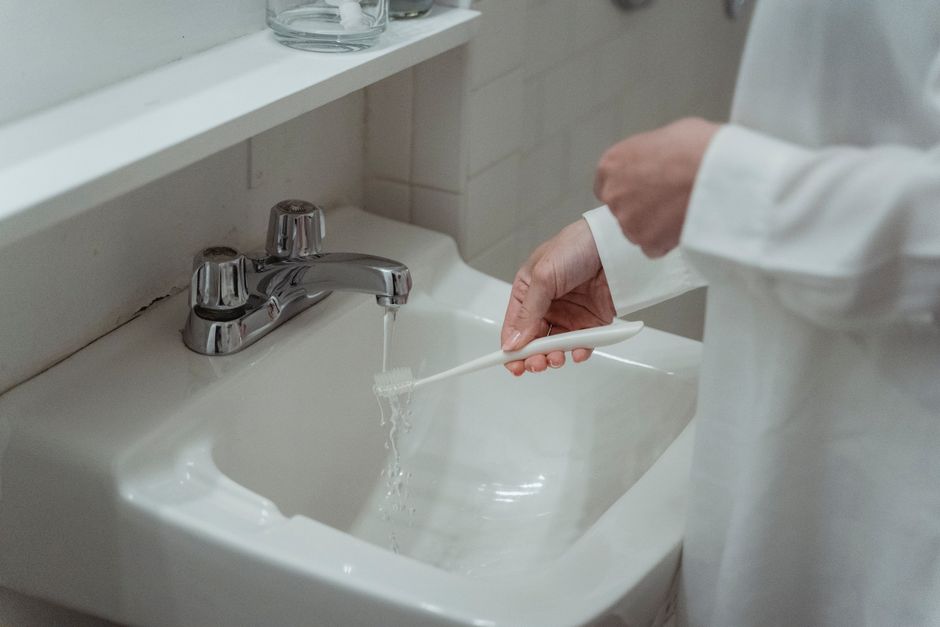
Fluoride is added to drinking water to prevent tooth decay, and major health organizations consider it safe at the recommended level of 0.7 milligrams per liter. Water fluoridation has been one of the most studied public health measures in history. Decades of research show it reduces cavities by about 25% in both children and adults. While some concerns exist about possible health effects, the evidence consistently supports its safety and effectiveness when levels are properly controlled.
Why Is Fluoride In Drinking Water And Is It Safe?
Fluoride is a natural mineral found in soil, water, and some foods. Community water fluoridation adjusts the concentration of fluoride in public water supplies to a level that helps prevent cavities. The current U.S. Public Health Service recommendation is 0.7 milligrams per liter (mg/L). At this level, fluoride strengthens tooth enamel and makes teeth more resistant to acid attacks from bacteria and sugars.
Safety is supported by over 75 years of research. The Centers for Disease Control and Prevention (CDC) calls water fluoridation one of the top 10 great public health achievements of the 20th century. The American Dental Association, the World Health Organization, and the American Academy of Pediatrics all endorse it. The most common side effect is mild dental fluorosis — faint white streaks on teeth that are usually barely noticeable and not a health problem. More serious conditions like skeletal fluorosis only occur at much higher fluoride levels, typically above 4 mg/L over many years, which is far above what is used in community water systems.
What Is Fluoride And How Does It Help Teeth?
Fluoride works in two main ways. First, when teeth are forming, fluoride becomes part of the enamel structure, making it stronger and more resistant to acid. Second, throughout life, fluoride in saliva and plaque helps repair early stages of tooth decay by remineralizing enamel before a cavity forms. This process happens naturally when fluoride is present at low levels in the mouth.
Your tooth enamel is made mostly of a mineral called hydroxyapatite. When fluoride is incorporated, it forms a harder, more acid-resistant substance called fluorapatite. This is why fluoride is effective whether it comes from water, toothpaste, or other sources.
How Much Fluoride Is In Drinking Water?
The recommended concentration for community water fluoridation in the United States is 0.7 mg/L. This level was set in 2015, replacing the previous range of 0.7 to 1.2 mg/L. The change was made to balance cavity prevention while reducing the risk of dental fluorosis.
Natural fluoride levels vary widely across water sources. Some private wells may have fluoride levels well above or below the recommended range. If you use a private well, it’s a good idea to test your water. Bottled water sometimes contains fluoride, but often at lower levels. The U.S. Food and Drug Administration sets a maximum allowable level of fluoride in bottled water at 0.7 mg/L for labeling as fluoridated.
Fluoride is also found in many foods and beverages, especially those made with fluoridated water, such as tea, coffee, and processed foods. This means your total fluoride intake comes from multiple sources, not just tap water.





What Are The Potential Risks Of Fluoride In Water?
The most well-documented risk from water fluoridation at optimal levels is dental fluorosis. This condition causes very faint white spots or streaks on teeth. It usually only affects appearance and does not affect tooth health. Mild fluorosis is common in areas with fluoridated water, but severe fluorosis is rare in the U.S. because fluoride levels are carefully controlled.
Skeletal fluorosis is a more serious condition that affects bones and joints. It only occurs after long-term exposure to very high levels of fluoride, typically above 4 mg/L. This is not a concern at the 0.7 mg/L level used in community water systems.
Some studies have suggested a possible link between fluoride exposure and lower IQ in children. However, these studies mostly looked at communities with naturally high fluoride levels — well above 1.5 mg/L. The evidence is not consistent, and the World Health Organization and other bodies have concluded that there is no convincing evidence that water fluoridation at the recommended level causes harm to brain development.
A 2019 report from the U.S. National Toxicology Program reviewed the evidence and found that some studies reported an association with higher fluoride levels (above 1.5 mg/L) and lower IQ scores, but the evidence was considered low to moderate quality. The report noted that most studies were from outside the U.S. where fluoride levels were higher. Overall, the current consensus among major health organizations is that the benefits of water fluoridation outweigh the potential risks at the recommended level.
Is Fluoride Safe For Children And Pregnant Women?
Yes, major health organizations consider fluoridated water safe for children and pregnant women when the fluoride level is 0.7 mg/L. For children, fluoride helps strengthen developing teeth. The main caution is to avoid swallowing too much fluoride from toothpaste or supplements, which is why children under two should use a smear of toothpaste, and children 2–6 should use a pea-sized amount. Water fluoridation itself does not require any special precautions beyond those.
For pregnant women, fluoride crosses the placenta, but at recommended levels, no consistent evidence of harm has been found. The American College of Obstetricians and Gynecologists states that water fluoridation is safe during pregnancy. Some studies have suggested a possible link between high fluoride intake during pregnancy and slightly lower IQ scores in children, but again, these findings come from areas with fluoride levels much higher than the U.S. standard. The evidence is not strong enough to change current recommendations.
What Do Health Authorities Say About Water Fluoridation?
Virtually every major health and dental organization supports community water fluoridation at the recommended level. This includes the Centers for Disease Control and Prevention, American Dental Association, American Academy of Pediatrics, World Health Organization, and the U.S. Public Health Service.
The evidence they rely on includes clinical trials, population studies, and decades of real-world experience. A Cochrane review from 2015 — a highly respected analysis of multiple studies — found that water fluoridation reduced tooth decay in children by 35% in primary teeth and 26% in permanent teeth. The same review noted that there was a small increased risk of dental fluorosis, but no evidence of other serious harms.
Some countries, such as many in Europe, do not fluoridate their water. Instead, they rely on other methods like fluoridated salt, milk, or widespread use of fluoride toothpaste. This shows that water fluoridation is not the only effective approach. But where it is implemented properly, it remains a safe and low-cost way to improve dental health for an entire community.
How Does Water Fluoridation Compare To Other Fluoride Sources?
Fluoride toothpaste is the most common way people get fluoride. Water fluoridation provides continuous low-level exposure that helps protect teeth throughout the day. Fluoride supplements (drops or tablets) are available but usually only recommended for children in areas without fluoridated water. Fluoride varnish applied by a dentist is another option.
Water fluoridation benefits everyone regardless of income, access to dental care, or personal oral hygiene habits. This is one reason it has been called a “leveling” strategy for public health. It reaches people who might not regularly see a dentist or use fluoride toothpaste consistently.
What If You Still Have Concerns About Fluoride?
You have options. If you are concerned about fluoride in your water, you can install a filtration system that removes fluoride. Most activated carbon filters do not remove fluoride. Reverse osmosis systems, distillation, and some specific filters are effective at reducing fluoride levels. Check the product specifications before buying.
You can also drink bottled water that is labeled as purified or that has low fluoride content. However, be aware that many brands of bottled water contain some fluoride. If you choose to avoid fluoride entirely, talk to your dentist about how to prevent cavities, especially for children. Remineralizing toothpaste, a healthy low-sugar diet, and regular dental visits become even more important.
Frequently Asked Questions
Does bottled water contain fluoride?
Some bottled water contains fluoride, but most brands have lower levels than fluoridated tap water. Check the label for fluoride content—some brands add fluoride, while others do not.
Can fluoride in water cause cancer or bone problems?
At the recommended level of 0.7 mg/L, there is no consistent evidence linking water fluoridation to cancer or bone problems. Skeletal fluorosis requires much higher fluoride exposure over many years.
Is fluoride in water safe for infants using formula?
Yes, using fluoridated tap water to mix infant formula is considered safe. If you are concerned about fluorosis, the American Dental Association suggests using ready-to-feed formula or mixing formula with low-fluoride water occasionally, but this is not a health requirement.
Why do some countries not fluoridate their water?
Different countries have different approaches to dental health. Some rely on fluoridated salt, milk, or widespread toothpaste use. Others have made a policy decision not to fluoridate due to public debate about individual choice, even though the health benefits are recognized.
