
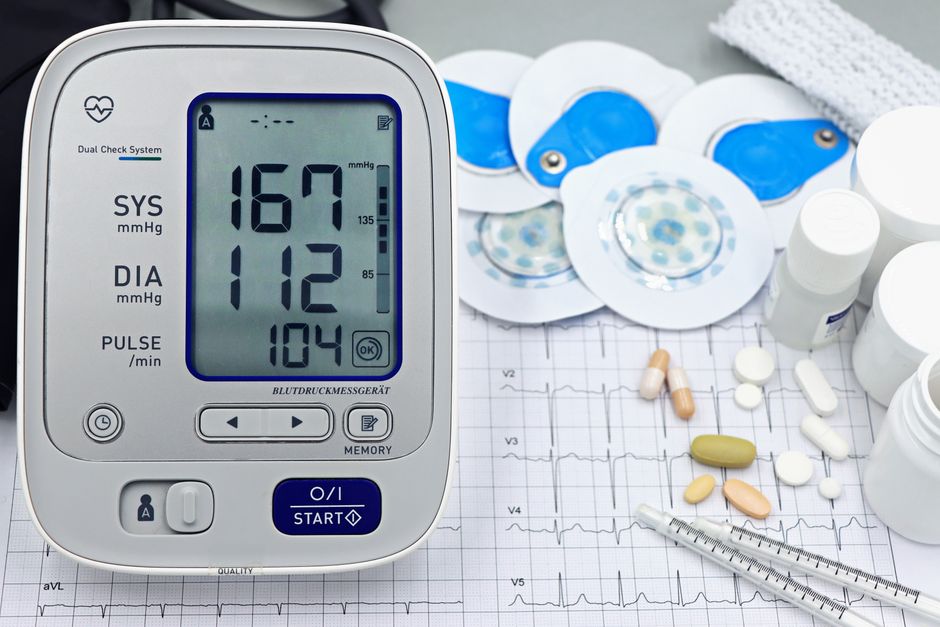
When you get a blood pressure reading, the bottom number is the one many people ignore. That number is your diastolic pressure. It is high when it measures 80 mm Hg or above on repeated readings. It reflects how much pressure stays in your arteries while your heart rests between beats. A high diastolic reading is not a random glitch. It points to something real happening inside your blood vessels.
Most people focus on the top number, called systolic pressure. But in adults under 50, a high diastolic reading can be the first sign of a blood pressure problem. It often appears years before the top number starts to rise. Understanding why it happens is the first step toward knowing what it means for your health.
Why Is Diastolic High? Why It Happens
Diastolic pressure measures the force in your arteries during the brief pause between heartbeats. When that resting pressure climbs, it usually means your smaller arteries are not relaxing the way they should.
Arteries are not rigid pipes. They are muscular tubes that widen and narrow to control blood flow. When these small vessels stay narrowed or stiff, pressure stays higher even while the heart is resting. This is the core reason diastolic pressure rises.
Several things drive that narrowing:
- Stiffness in small arteries — the walls lose some flexibility, so they cannot expand to absorb pressure
- Narrowing of the arterioles — the smallest branches of your arteries tighten, raising resistance
- Higher blood volume — more fluid in the system means more pressure against the walls
- Hormonal signals — the body’s stress and salt-regulating systems can push vessels to tighten
In younger adults, the arteries are usually still flexible. So when diastolic pressure is high, it is often the small vessel resistance that is the main problem, not large artery stiffness. That is why an isolated high diastolic reading is more common in people under 50.
What Counts as High Diastolic Blood Pressure?
A diastolic reading of 80 mm Hg or higher is generally considered elevated. This comes from widely used blood pressure categories.
| Category | Systolic (mm Hg) | Diastolic (mm Hg) |
|---|---|---|
| Normal | Less than 120 | Less than 80 |
| Elevated | 120–129 | Less than 80 |
| Stage 1 hypertension | 130–139 | 80–89 |
| Stage 2 hypertension | 140 or higher | 90 or higher |
A single high reading does not mean you have high blood pressure. Blood pressure changes throughout the day. It rises with stress, caffeine, exercise, and even talking. The diagnosis depends on repeated readings taken correctly over time.
One non-obvious point: how the cuff is placed and how your arm is positioned can shift a reading by several points. An arm that is unsupported or below heart level can read higher than it should. Getting the measurement technique right matters as much as the number itself.
What Causes High Diastolic Pressure?
High diastolic pressure usually comes from a mix of factors rather than one single cause. Some you can change. Some you cannot.
Lifestyle factors
These are the ones most within your control:
- High sodium intake — excess salt makes the body hold fluid, raising blood volume and pressure
- Being overweight — extra body mass means the heart must push blood through more tissue
- Lack of physical activity — regular movement helps keep blood vessels flexible
- Heavy alcohol use — alcohol can raise blood pressure directly and over time
- Smoking — nicotine narrows blood vessels within minutes of use
- Chronic stress — ongoing stress keeps pressure-raising hormones active
- Poor sleep — especially sleep apnea, which repeatedly interrupts breathing and stresses the heart
Medical and genetic factors
Some causes sit outside lifestyle:
- Family history — high blood pressure tends to run in families
- Kidney disease — the kidneys control fluid and salt balance, so problems there raise pressure
- Hormonal conditions — thyroid problems and some adrenal disorders can raise pressure
- Certain medications — some decongestants, pain relievers, and birth control pills can raise blood pressure
- Age — though large artery stiffness tends to raise the top number more than the bottom
In many people, no single cause is found. This is called primary or essential hypertension. It develops gradually from a combination of genetics and environment.





Why Is High Diastolic Pressure More Common in Younger Adults?
In adults under 50, the large arteries are usually still elastic. That elasticity absorbs the surge of each heartbeat, so the top number stays normal. But the smaller resistance vessels can still tighten, and that shows up in the bottom number.
As people age, the pattern often flips. Large arteries stiffen, and systolic pressure climbs while diastolic pressure may actually fall. This is why an older adult can have a high top number and a normal or even low bottom number.
So a high diastolic reading in a younger person is not a minor issue. It can be an early warning that the small vessels are already under strain. Left unaddressed, it often progresses to full hypertension later in life.
Does High Diastolic Pressure Cause Symptoms?
High diastolic pressure usually causes no symptoms at all. That is the main danger. You cannot feel high blood pressure in most cases.
When symptoms do appear, they tend to show up only when pressure is very high or has been elevated for a long time. These can include:
- Headaches, often in the morning
- Shortness of breath
- Nosebleeds
- Blurred or double vision
- Chest discomfort
These symptoms are not specific to high blood pressure. They can come from many other causes. The only reliable way to know your diastolic pressure is to measure it. Waiting for symptoms is not a safe strategy.
What Are the Risks of a High Diastolic Reading?
Over time, sustained high pressure damages blood vessels and the organs they supply. The evidence linking high blood pressure to these outcomes is strong and consistent.
Risks include:
- Heart disease — the heart works harder and can enlarge over time
- Stroke — damaged vessels in the brain are more likely to block or burst
- Kidney damage — the kidneys filter blood through tiny vessels that pressure can injure
- Vision problems — the small vessels in the eye are vulnerable
- Peripheral artery disease — narrowed vessels reduce blood flow to the legs
What is less certain is how much an isolated high diastolic reading raises risk on its own, separate from systolic pressure. Some research suggests that in younger adults, diastolic pressure may be a stronger predictor of future cardiovascular problems than systolic pressure. But the evidence on this point is not fully settled, and different studies have reached different conclusions.
When Should You See a Doctor?
See a doctor if your diastolic reading is 80 mm Hg or higher on repeated measurements. A single high reading is not enough to act on, but a pattern is.
Contact a doctor promptly if you get a reading of 180/120 mm Hg or higher. If it comes with chest pain, shortness of breath, weakness, or trouble speaking, seek emergency care right away.
For most people with mildly high diastolic pressure, the first step is confirming the pattern. Home monitoring can help. Take readings at the same times each day, sit quietly for a few minutes first, and keep your arm supported at heart level. Bring your log to your appointment.
How Is High Diastolic Pressure Managed?
Management depends on how high the pressure is and what other risk factors you have. For mildly elevated readings, lifestyle changes are often the first approach. For higher readings, or when lifestyle changes are not enough, medication may be needed.
Lifestyle steps that are well supported by evidence include:
- Reducing sodium intake
- Eating more fruits, vegetables, and whole grains
- Getting regular physical activity
- Limiting alcohol
- Stopping smoking
- Losing excess weight if overweight
- Getting enough sleep and treating sleep apnea if present
These steps can lower blood pressure, but the effect varies from person to person. Some people respond strongly to cutting salt. Others see more change from weight loss or exercise. No single change works the same way for everyone.
When medication is prescribed, several classes are commonly used. Which one is chosen depends on your age, other health conditions, and how your body responds. This is a decision to make with a doctor, not on your own.
Can You Prevent High Diastolic Pressure?
You cannot control every cause, like family history or age. But the lifestyle factors that drive most cases are within reach. The same habits that lower blood pressure also reduce risk for heart disease, stroke, and diabetes.
Prevention works best when it starts early. Because high diastolic pressure often shows up in younger adults before symptoms appear, regular blood pressure checks matter even when you feel fine. Knowing your numbers is the foundation for everything else.
Frequently Asked Questions
What is a dangerous diastolic blood pressure?
A diastolic reading of 120 mm Hg or higher is a medical emergency, especially with symptoms like chest pain or shortness of breath. Readings of 90 mm Hg or higher on repeated checks fall into stage 2 hypertension and need prompt medical attention.
Can high diastolic pressure be reversed?
Mildly elevated diastolic pressure often responds to lifestyle changes like reducing sodium, losing excess weight, and increasing activity. Whether it fully returns to normal depends on the cause and how long it has been elevated, so it should be monitored with a doctor.
Why is my diastolic high but my systolic normal?
This pattern is common in adults under 50 because the large arteries are still flexible while the smaller resistance vessels have tightened. It can be an early sign of developing hypertension and should not be ignored.
Does stress cause high diastolic blood pressure?
Stress can raise blood pressure temporarily, and ongoing stress may contribute to sustained elevation over time. Stress alone is rarely the only cause, but managing it is a reasonable part of a broader approach.
