
Low CO2 in the blood is called hypocapnia. It happens when you breathe out too much carbon dioxide, which makes your blood more alkaline than it should be. Most of the time, the cause is overbreathing, known as hyperventilation, which can stem from anxiety, pain, or even high altitude. While it can feel alarming, understanding the exact cause is the first step to correcting it.
What Does Low CO2 in the Blood Mean?
Carbon dioxide (CO2) is a normal waste product your body makes when cells use energy. Your blood carries it to your lungs, and you breathe it out. The amount of CO2 in your blood is tightly controlled because it directly affects your blood’s pH level.
When CO2 levels drop, your blood becomes more alkaline (higher pH). This condition is called respiratory alkalosis. It is not a disease itself but rather a sign that your breathing rate or depth is out of balance with your body’s needs.
Doctors measure CO2 in two main ways. An arterial blood gas (ABG) test measures the partial pressure of carbon dioxide (PaCO2) directly. A basic metabolic panel (BMP) measures total CO2 content in your blood, which is mostly bicarbonate. Low levels on either test point toward a breathing problem.
Why Is CO2 Low in Blood? Causes and Effects
The most common cause of low CO2 is hyperventilation. This means you are breathing faster or deeper than your body requires. Each breath pushes out more CO2 than your cells produce, so blood levels drop.
Several situations trigger this overbreathing:
- Anxiety and panic attacks — Stress hormones can speed up your breathing without you noticing.
- Pain — Acute pain often causes rapid, shallow breathing.
- Fever or infection — Your body increases breathing rate to meet higher oxygen demands.
- High altitude — Lower oxygen levels in the air make you breathe more, which blows off excess CO2.
- Liver disease — Certain metabolic changes can stimulate breathing.
- Pregnancy — Progesterone naturally increases breathing rate, especially in the second and third trimesters.
Less commonly, low CO2 can result from medical conditions that stimulate the respiratory center in the brain, such as certain neurological disorders or aspirin overdose. It can also occur during mechanical ventilation if the machine is set to remove too much CO2.
Symptoms of Low CO2 in Blood
The symptoms of hypocapnia come from both the chemical change in your blood and the physical effects of overbreathing. Many people describe a sense of breathlessness, even though their oxygen levels are normal.
Common symptoms include:
- Tingling or numbness in the fingers, toes, or around the mouth
- Dizziness or lightheadedness
- Muscle spasms or cramps in the hands and feet
- A feeling of tightness in the chest
- Rapid heartbeat
- Confusion or difficulty concentrating
The tingling and muscle spasms happen because low CO2 causes calcium to bind more tightly to proteins in your blood. This temporarily reduces the amount of free calcium available to nerves and muscles, which makes them more excitable.
In severe cases, people can faint. This usually resolves quickly once breathing normalizes and CO2 levels return to normal.




How Low CO2 Affects Your Body
CO2 is not just waste. It plays a vital role in helping oxygen release from hemoglobin into your tissues. This is known as the Bohr effect.
When CO2 is low, hemoglobin holds onto oxygen more tightly. This means less oxygen is delivered to your organs and muscles, even though your blood oxygen saturation reads as normal. That is why people can feel breathless and fatigued despite having normal oxygen levels on a pulse oximeter.
The shift in blood pH also affects how your kidneys work. Over hours to days, your kidneys try to compensate by excreting more bicarbonate in urine. This is a slow process, and it explains why chronic hyperventilation can cause persistently low CO2 readings on blood tests.
Blood vessel constriction is another effect. Low CO2 causes blood vessels in the brain to narrow, which can reduce blood flow and contribute to dizziness and headaches. This is why breathing into a paper bag during a panic attack can help — it allows you to rebreathe CO2 and restore normal levels.
When Low CO2 Is a Medical Emergency
Most cases of low CO2 from anxiety or stress are not dangerous and resolve on their own. However, certain situations require immediate medical attention.
Seek emergency care if low CO2 is accompanied by:
- Chest pain or pressure
- Severe shortness of breath that does not improve
- Blue lips or fingertips
- Confusion or loss of consciousness
- Seizures
These symptoms could indicate a more serious underlying condition such as a pulmonary embolism, heart attack, or severe infection. Low CO2 in these cases is a secondary finding, and the primary condition needs treatment.
If you have chronic lung disease like COPD, low CO2 is unusual and should always be evaluated by a doctor. In COPD, CO2 levels are typically high, so a low reading may point to a different problem.
How Doctors Diagnose Low CO2
Diagnosis starts with a medical history and physical exam. Your doctor will ask about your breathing patterns, stress levels, recent travel, and any medications you take.
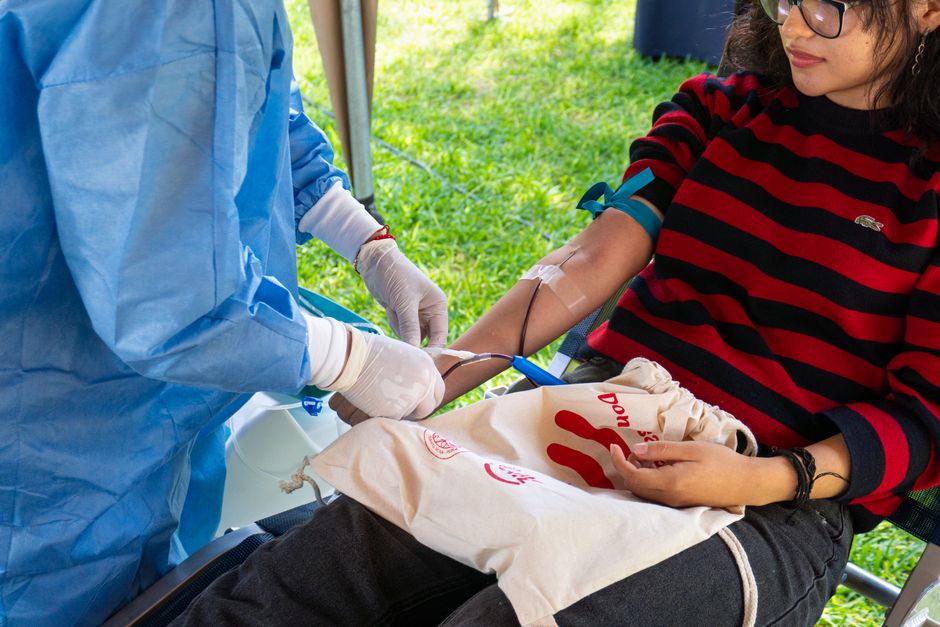
An arterial blood gas test is the most accurate way to measure CO2. It involves drawing blood from an artery, usually in the wrist. This test also measures oxygen levels and blood pH, giving a complete picture of your respiratory status.
A basic metabolic panel measures total CO2 in venous blood. This is a simpler test but less precise. It cannot distinguish between low CO2 from breathing problems and low CO2 from metabolic issues like kidney disease.
Your doctor may also check your oxygen saturation with a pulse oximeter. In simple hyperventilation, oxygen levels are normal. Low oxygen alongside low CO2 suggests a more serious problem like a blood clot in the lungs or pneumonia.
Treatment and Management of Low CO2
Treatment focuses on the underlying cause, not the CO2 number itself. If anxiety drives your hyperventilation, managing the anxiety will correct the CO2 level.
For acute episodes, slow breathing techniques can help. Breathe in through your nose for a count of four, hold briefly, and exhale slowly through pursed lips for a count of six. This reduces the rate at which you expel CO2 and allows levels to normalize.
Do not use a paper bag unless a doctor instructs you to. While it can help in a true panic attack, it is not appropriate for all causes of low CO2. If your low CO2 stems from a medical condition like a blood clot, rebreathing CO2 will not address the underlying danger.
For chronic hyperventilation syndrome, breathing retraining with a physical therapist or specialized practitioner can help. This teaches you to recognize early signs of overbreathing and adjust your pattern before symptoms escalate.
Underlying conditions require specific treatment. Liver disease, infections, and hormonal disorders all have their own management plans. Once the primary condition improves, CO2 levels typically return to normal.
Can Low CO2 Be Prevented?
Prevention depends on the cause. If you know you hyperventilate during stress, learning relaxation techniques and breathing exercises before stressful events can help.
Regular physical activity can improve your breathing efficiency and reduce the tendency to overbreathe during exertion. Staying hydrated and avoiding excessive caffeine can also help, since caffeine can stimulate faster breathing in sensitive individuals.
At high altitudes, gradual acclimatization gives your body time to adjust to lower oxygen levels without excessive overbreathing. If you travel to high elevations frequently, talk to your doctor about whether any preventive measures are appropriate for you.
For people on mechanical ventilation, careful monitoring by healthcare professionals prevents low CO2 from ventilator settings. This is managed entirely in hospital settings.
Frequently Asked Questions
Can low CO2 in blood cause anxiety?
Yes, low CO2 can trigger feelings of anxiety, panic, and a sense of impending doom. The physical symptoms of hypocapnia, like dizziness and a racing heart, can mimic or worsen anxiety symptoms.
What is a dangerous low CO2 level?
Normal arterial CO2 ranges from 35 to 45 mmHg. Levels below 35 mmHg indicate hypocapnia, and levels below 25 mmHg are considered severe and require immediate medical evaluation.
Does drinking water help low CO2 levels?
No, drinking water does not directly raise CO2 levels. The only way to increase CO2 is to slow your breathing rate or treat the underlying cause of hyperventilation.
Can low CO2 cause high blood pressure?
Low CO2 can cause temporary increases in blood pressure due to stress hormone release and blood vessel changes. This effect is usually short-lived and resolves when CO2 levels normalize.
