
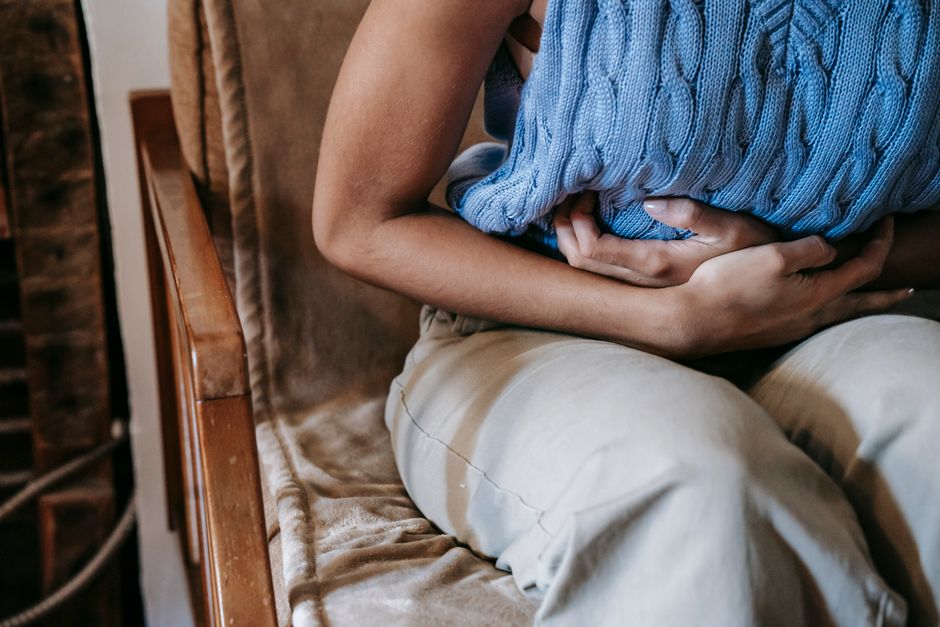
That cramping, twisting pain right before a bowel movement has a name and a cause. It usually comes from the way your colon moves waste toward the exit, and from the pressure that builds along the way. For most people, this is normal gut function — uncomfortable, but not a sign of disease. When the pain is severe, comes with blood, or wakes you at night, that is a different situation and worth a medical visit. Here is what is actually happening inside your body, and when the ache crosses the line from ordinary to something worth checking.
Why Does Your Stomach Hurt When You Have To Poop?
Your colon is a muscular tube, and to move waste along it has to squeeze. Those squeezes are called peristaltic waves. When a wave pushes stool into the lower colon and rectum, the wall stretches. Stretch receptors in the gut wall fire, and you feel that as urgency and often as pain.
The pain is not really in your stomach. Most of the time it comes from the colon, particularly the sigmoid colon on the lower left side, or from the rectum itself. People describe it as a deep cramp or a heavy pressure low in the belly. The location depends on which part of the bowel is doing the work.
There is a second layer to this. The gut has its own nervous system, sometimes called the enteric nervous system, embedded in the bowel wall. It talks constantly with the brain through the vagus nerve and the spinal cord. That is why anxiety, stress, and even the thought of a bathroom can trigger a wave of cramping before anything physically moves.
So the short version: pain on the way to a bowel movement is mostly mechanical — muscle contraction plus stretch — and partly neurological. It is a signal system working as designed, even when it feels like a malfunction.
What Is the Difference Between Normal Cramping and Something Serious?
Normal pre-poop cramping is brief. It builds, peaks, and releases when you pass stool or gas. It does not usually wake you from sleep, and it does not come with blood or unexplained weight loss.
Red flags that point somewhere else include pain that is severe and constant rather than wave-like, pain that persists after a bowel movement, black or bloody stool, fever, vomiting, and unintentional weight loss. Pain that wakes you at night is a specific concern because most functional gut pain quiets during sleep.
Another distinction matters. Irritable bowel syndrome, or IBS, produces cramping and urgency that is real and often intense, but it does not damage the bowel. Inflammatory conditions such as Crohn’s disease and ulcerative colitis do cause tissue damage, and they tend to bring additional symptoms like bloody diarrhea, fatigue, and weight loss. The pain alone cannot tell you which is which. That requires evaluation.
If cramping is a daily event, or if it is getting worse over weeks, that pattern is worth a conversation with a clinician rather than a wait-and-see approach.
How Your Gut Nerves Create the Sensation of Pain
The bowel has sensory nerves that respond to stretch and to chemical signals from the gut contents. When stool distends the colon wall, these nerves send signals up the spinal cord. Some of those signals are interpreted as pain, some as urgency, and some as the simple need to go.
Here is something that surprises many people. The gut can be more or less sensitive from one person to the next. This is called visceral hypersensitivity. Two people can have the same amount of stool in the same part of the colon and feel very different levels of discomfort. In IBS, this sensitivity is often turned up. The bowel looks normal on standard tests, but the nerves report pain at lower thresholds.
That is why IBS pain is not imaginary. The signal is real. The tissue just is not damaged.
Stress feeds into this system directly. The brain and gut share signaling pathways, and psychological stress can change how the colon contracts and how the nerves interpret those contractions. This is not a claim that stress causes all gut pain. It is a well-documented pathway that can amplify it.





Common Causes of Painful Bowel Movements
Several conditions produce pain specifically around the time you need to go. They differ in where the pain sits and what comes with it.
- Constipation. Hard, dry stool is harder to move. The colon pushes harder, and the stretch is greater. This is one of the most common reasons for cramping before a bowel movement.
- Irritable bowel syndrome. Alternating cramping, urgency, and changes in stool form. Pain typically improves after a bowel movement.
- Gas and bloating. Trapped gas distends the bowel and triggers the same stretch receptors. Passing gas often relieves it.
- Gastroenteritis. Infection causes rapid transit and strong contractions. This is usually short-lived.
- Anal fissure. A small tear near the opening causes sharp pain during and after a bowel movement, sometimes with bright red blood on the tissue.
- Hemorrhoids. Swollen veins near the anus can cause pressure and pain, especially with straining.
- Inflammatory bowel disease. Crohn’s disease and ulcerative colitis cause ongoing inflammation with pain, diarrhea, and sometimes blood.
- Diverticulitis. Inflammation of small pouches in the colon wall, usually causing pain in the lower left abdomen, often with fever.
The list is long, but the pattern of symptoms usually narrows it down. Timing, location, and what comes with the pain all matter.
Why the Pain Often Stops After You Go
When you pass stool, the stretch on the colon wall releases. The nerve signals quiet down. That relief is one of the clearest signs the pain was mechanical rather than inflammatory.
This is also why IBS is defined partly by pain that improves after a bowel movement. It is not a perfect rule, but it is a useful one. If your pain consistently eases once you have gone, the odds are good that it is related to bowel movement itself rather than to something else in the abdomen.
If the pain does not ease after a bowel movement, or if it gets worse afterward, that is a different pattern and deserves attention.
When to See a Doctor
See a clinician if you have blood in your stool, black or tarry stool, severe or worsening pain, fever, vomiting, unexplained weight loss, or pain that wakes you at night. These are not subtle signs, and they should not be managed at home.
Also seek care if your bowel habits have changed and stayed changed for more than a few weeks, if you are over 45 and have new persistent bowel symptoms, or if you have a family history of colon cancer or inflammatory bowel disease. Age and family history change how urgently symptoms should be evaluated.
For cramping that is mild, brief, and relieved by going, there is usually no emergency. That does not mean it should be ignored if it is frequent. Recurring pain is a pattern, and patterns are worth understanding.
What Helps With Ordinary Pre-Bowel-Movement Cramping
For run-of-the-mill cramping tied to constipation or gas, the most reliable steps are the boring ones. Drink enough water. Eat fiber from whole foods. Move your body regularly. Do not ignore the urge to go when it comes.
Fiber deserves a specific note. Adding fiber too quickly can make gas and cramping worse before it gets better. Increasing it gradually, and drinking more water alongside it, tends to reduce that problem. Some people do better with soluble fiber from oats, psyllium, or beans. Others do better with insoluble fiber from vegetables and whole grains. Which one helps is individual.
Heat on the abdomen can relax the muscle wall and ease cramping for some people. Gentle movement, like walking, can help move gas and stool. These are comfort measures, not treatments, and they work for ordinary cramping rather than for inflammatory conditions.
If symptoms are frequent or disruptive, talk to a clinician before trying supplements or over-the-counter remedies. Some products marketed for gut health have little or no clinical evidence behind them, and a few can interact with medications.
What Does Not Cause This Pain
Several popular explanations do not hold up. The idea that “toxins” build up in the colon and cause pain is not supported by evidence. The colon does not store toxins in the way cleanses and detox products claim. The liver and kidneys handle waste removal, and the bowel handles stool.
Another common claim is that undigested food “rots” in the colon and causes pain. The colon is full of bacteria that ferment fiber and other residues. That process is normal and produces gas, which can cause discomfort. It is not decay in a harmful sense.
Colon cleansing products are marketed for cramping and bloating, but there is no clinical evidence that they improve gut health, and some carry real risks including dehydration and electrolyte imbalance. If you are considering one, that is a conversation to have with a doctor, not a decision to make from an ad.
Frequently Asked Questions
Why does my stomach hurt right before I poop?
The pain comes from your colon muscle squeezing stool forward and the bowel wall stretching as it fills. Stretch receptors in the gut wall send pain signals that ease once you pass the stool.
Is it normal for pooping to hurt every time?
No. Occasional mild cramping before a bowel movement is common, but pain with every bowel movement is not typical and should be evaluated. Causes can include constipation, IBS, anal fissures, or hemorrhoids.
Can stress make it hurt when you need to poop?
Yes. The brain and gut share direct signaling pathways, and stress can change how the colon contracts and how sensitive its nerves are. This is a well-documented effect, not a sign the pain is imaginary.
When should I worry about stomach pain before pooping?
Seek medical care for blood in the stool, severe or worsening pain, fever, vomiting, unexplained weight loss, or pain that wakes you at night. Persistent changes in bowel habits lasting more than a few weeks also warrant a visit.
