
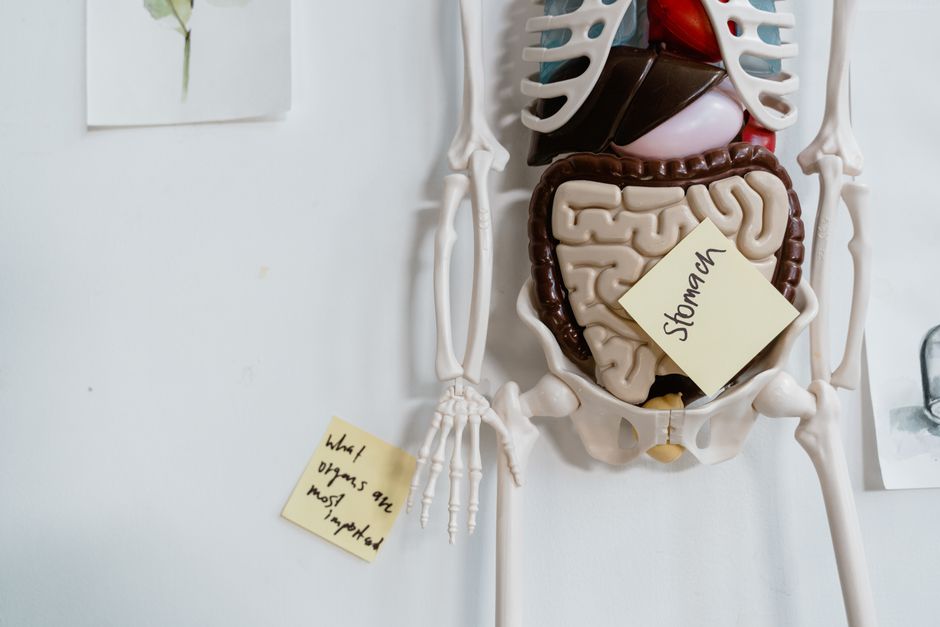
Pain in the upper right part of your belly is a signal worth paying attention to, because that small area holds several organs packed close together. The most common causes are gallbladder problems, liver conditions, acid reflux, peptic ulcers, pancreatitis, kidney issues, muscle strain, and bowel conditions. Where the pain sits and how it behaves — sharp or dull, steady or coming in waves, worse after eating or unrelated to food — often points toward which organ is involved.
This article walks through eight causes, what each one typically feels like, and when the pain needs medical attention right away. It is information, not a diagnosis. Only a clinician who examines you can tell you what is actually going on.
Why Does My Upper Right Stomach Hurt? 8 Causes to Know
The upper right quadrant of the abdomen sits just below the ribs on your right side. It contains the liver, the gallbladder, part of the pancreas, the first section of the small intestine, the right kidney, and the flexure where the colon turns. That crowding is why so many different problems can produce pain in roughly the same spot.
The list below covers the eight causes most often seen in clinical practice. They range from minor and self-limiting to serious and requiring urgent care.
- Gallbladder disease — gallstones or inflammation of the gallbladder
- Liver conditions — hepatitis, fatty liver, or liver congestion
- Acid reflux and GERD — stomach acid irritating the upper digestive tract
- Peptic ulcers — open sores in the stomach or duodenum lining
- Pancreatitis — inflammation of the pancreas
- Kidney problems — stones or infection in the right kidney
- Muscle strain — injury to the abdominal wall
- Bowel conditions — including irritable bowel syndrome and colon inflammation
Is Gallbladder Pain the Most Common Cause?
Gallbladder problems are the leading cause of upper right abdominal pain that sends people to a doctor. The gallbladder is a small sac that stores bile, a fluid the liver makes to help digest fat. When something blocks the flow of bile, the gallbladder can become irritated or inflamed.
Gallstones are the usual culprit. They form when substances in bile, mainly cholesterol or bilirubin, harden into stone-like pieces. Many people have gallstones and never feel them. Pain happens when a stone blocks the duct that drains the gallbladder.
The pain of a gallbladder attack is distinctive. It often starts after a fatty meal and builds over 30 minutes to an hour. It sits in the upper right abdomen and can radiate to the right shoulder blade or between the shoulder blades. Attacks commonly last from one to several hours. Nausea and vomiting often come with it.
If the gallbladder becomes infected or badly inflamed, the pain turns constant and severe, and you may run a fever. That is a medical emergency.
How Do Liver Problems Cause Upper Right Abdominal Pain?
The liver sits directly under the right rib cage, so when it swells, the pain lands in the upper right abdomen. Unlike gallbladder pain, liver pain tends to be a dull ache rather than a sharp stab. It is often felt as a heaviness or fullness rather than a distinct pain.
The liver itself has no pain nerves. The discomfort comes from the thin capsule that wraps around it. When the liver enlarges, that capsule stretches, and the stretch is what you feel.
Conditions that can cause the liver to swell include viral hepatitis, alcohol-related liver disease, and non-alcoholic fatty liver disease. Fatty liver disease has become common in the United States, linked to excess weight, type 2 diabetes, and high cholesterol. Many people with fatty liver have no pain at all, which is one reason it often goes undetected.
Liver-related pain rarely comes alone. Watch for fatigue, yellowing of the skin or eyes, dark urine, or easy bruising.





Can Acid Reflux or an Ulcer Cause Pain on the Right Side?
Yes. Acid reflux and peptic ulcers usually cause pain in the center or upper middle of the abdomen, but the discomfort can spread to the right side. Reflux happens when stomach acid flows backward into the esophagus, the tube connecting your throat to your stomach.
Reflux pain is typically a burning feeling behind the breastbone. It often gets worse after eating, when lying down, or when bending over. Some people feel it higher up, in a band across the upper belly.
Peptic ulcers are open sores in the lining of the stomach or the first part of the small intestine. Ulcer pain tends to be a gnawing or burning sensation. It can improve or worsen with food, depending on where the ulcer sits. A stomach ulcer often hurts more right after eating. A duodenal ulcer often hurts a few hours after a meal or wakes you at night.
One important note: a type of bacteria called H. pylori causes most peptic ulcers, and long-term use of anti-inflammatory drugs like ibuprofen or naproxen is another major cause. Stress and spicy food do not cause ulcers, though they can make symptoms feel worse.
When Is Upper Right Stomach Pain a Medical Emergency?
Some causes of upper right abdominal pain are emergencies that need treatment within hours, not days. Knowing the warning signs matters more than figuring out the exact cause.
Seek emergency care right away if you have:
- Pain that is severe, constant, and getting worse
- Fever with abdominal pain
- Yellowing of the skin or eyes
- Vomiting blood or material that looks like coffee grounds
- Black, tarry stools
- A rigid or hard belly that hurts to touch
- Pain that spreads to your chest, neck, or shoulder
- Difficulty breathing alongside the pain
Gallbladder infection, pancreatitis, and a perforated ulcer all fall into this category. So does a heart attack, which can sometimes present as upper abdominal pain rather than classic chest pain. That last point surprises many people, but it is well documented in emergency medicine.
How Do Pancreatitis and Kidney Problems Fit In?
The pancreas sits behind the stomach, with its head on the right side near the duodenum. When the pancreas becomes inflamed, pain often starts in the upper abdomen and can bore straight through to the back. Pancreatitis pain is usually severe and steady. It frequently gets worse after eating, and lying flat can make it feel worse.
The two most common causes of acute pancreatitis in the United States are gallstones and heavy alcohol use. Pancreatitis is serious and usually requires hospital care.
The right kidney sits behind the liver in the upper right abdomen. Kidney pain tends to feel deeper and is often felt in the back or flank rather than the front. Kidney stones cause severe, cramping waves of pain that come and go. A kidney infection usually brings fever, chills, and burning with urination alongside the flank pain.
What About Muscle Strain and Bowel Conditions?
Not every upper right abdominal pain comes from an organ. The abdominal wall is made of muscle, and those muscles can be strained, torn, or bruised. A muscle strain is often worse with movement, coughing, or twisting. It may hurt when you press on the spot, and the pain tends to stay in one place rather than shifting around.
Bowel conditions can also cause upper right pain. Irritable bowel syndrome typically causes cramping and changes in bowel habits. Its pain often moves around the abdomen rather than staying fixed in one spot. Inflammation of the colon, or colitis, can cause pain along with diarrhea, sometimes with blood or mucus.
The colon makes a sharp turn in the upper right abdomen, called the hepatic flexure. Gas trapped at that turn can cause brief, sharp pain that passes on its own. This is uncomfortable but not dangerous.
How Do Doctors Tell These Causes Apart?
Doctors work through the possibilities using your description of the pain, a physical exam, and targeted tests. The pattern of the pain is often the biggest clue.
- Timing — after fatty meals points toward gallbladder; a few hours after eating points toward ulcer
- Radiation — pain to the shoulder blade suggests gallbladder; pain to the back suggests pancreas
- Fever — suggests infection in the gallbladder, kidney, or liver
- Urinary symptoms — point toward the kidney
- Bowel changes — point toward the gut
Common tests include blood work to check liver and pancreas enzymes, an abdominal ultrasound (the first-choice test for gallbladder problems), and CT scans when more detail is needed. An upper endoscopy can look directly at the stomach and duodenum for ulcers.
Self-diagnosis is unreliable here. The organs in this area overlap so much that symptoms alone often cannot separate one cause from another.
What Should You Do While Waiting to See a Doctor?
If your pain is mild and you have no warning signs, note what makes it better or worse. Write down when it started, what you ate beforehand, and whether it moves. That record helps your doctor narrow things down.
Until you know the cause, avoid heavy, fatty meals if food seems to trigger the pain. Stay hydrated. Avoid alcohol, which stresses both the liver and the pancreas. Do not take more than the label dose of over-the-counter pain relievers, since some of them can irritate the stomach lining and worsen ulcers.
Do not ignore pain that keeps coming back. Repeated gallbladder attacks, for example, tend to get more frequent and more intense over time. Early evaluation often means simpler treatment.
Frequently Asked Questions
What is the most common cause of upper right stomach pain?
Gallbladder disease, most often gallstones, is the most common cause of upper right abdominal pain that leads people to see a doctor. It typically hurts after fatty meals and can radiate to the right shoulder blade.
When should I worry about upper right abdominal pain?
Worry when the pain is severe and constant, comes with a fever, or is joined by yellowing skin, vomiting blood, or black stools. Those signs point to a condition like gallbladder infection or pancreatitis that needs emergency care.
Can upper right stomach pain be gas?
Yes. Gas trapped where the colon turns in the upper right abdomen can cause brief, sharp pain that passes on its own. If the pain keeps returning or lasts for hours, it is more likely coming from an organ than from gas.
Does pain location tell you which organ is involved?
It gives strong clues but is not exact, because the liver, gallbladder, pancreas, kidney, and bowel sit close together. Doctors use the pattern of pain along with blood tests and imaging to identify the cause.
