
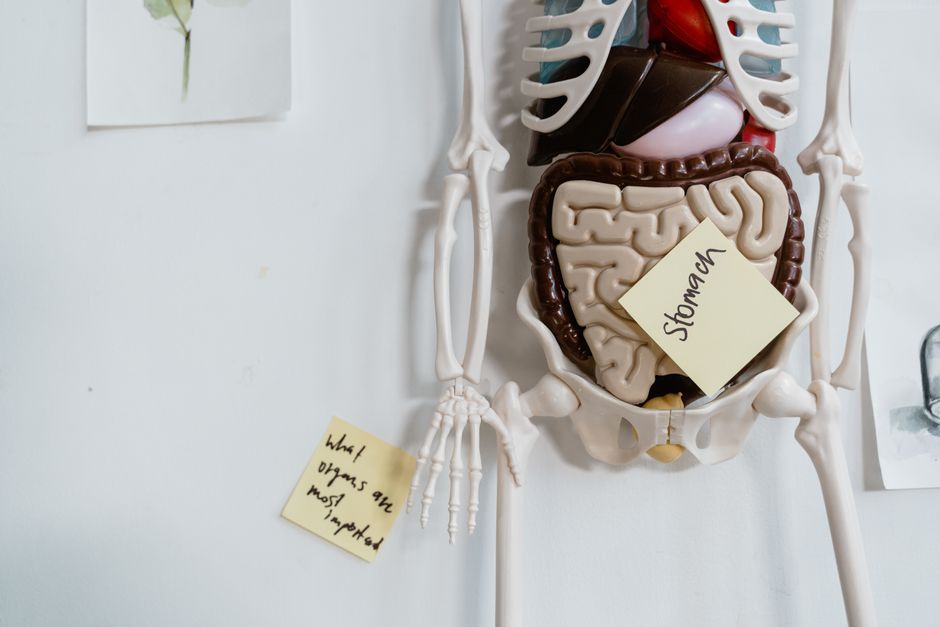
A burning feeling in your stomach is usually heartburn or acid reflux. Stomach acid moves up into your esophagus, the tube that connects your throat to your stomach. This causes a burning sensation behind your breastbone. Sometimes the burn is from gastritis, which is irritation of the stomach lining itself. Most people feel this occasionally after a large or spicy meal. If it happens often, it may be a sign of a chronic condition that needs medical attention.
What Causes the Burning Sensation?
The stomach produces strong acid to break down food. This acid is normally kept inside the stomach by a ring of muscle called the lower esophageal sphincter. This muscle acts like a one-way valve. It opens to let food in and closes to keep acid down.
When that valve relaxes at the wrong time or becomes weak, acid travels backward. This is called acid reflux. The esophagus does not have the same protective lining as the stomach. Acid touching the esophagus creates that sharp, burning feeling.
Gastritis is different. In gastritis, the stomach lining itself becomes inflamed. The burning sensation is deeper and feels like it is in the center of the upper belly. Both conditions can feel similar, but they involve different parts of the digestive system.
Why Does Your Stomach Feel Like It’S Burning After Eating?
Eating triggers the stomach to produce more acid. That is normal and necessary for digestion. But certain foods make the problem worse.
Spicy foods, fatty foods, and acidic foods like tomatoes or citrus can relax the valve between the stomach and esophagus. When the valve relaxes, acid escapes upward. Large meals stretch the stomach. A stretched stomach pushes against the valve, making it easier for acid to leak.
Eating close to bedtime is a common trigger. When you lie down, gravity no longer helps keep acid in the stomach. The acid pools against the valve and can seep into the esophagus. Waiting two to three hours after a meal before lying down is standard advice that most clinicians recommend.
Could It Be Something Other Than Acid Reflux?
Not every burning stomach is reflux. Several other conditions produce a similar sensation.
Gastritis is inflammation of the stomach lining. It can be caused by infection, long-term use of pain relievers like ibuprofen or aspirin, or heavy alcohol use. The burn is usually in the upper middle of the abdomen rather than behind the breastbone.
Peptic ulcers are open sores in the stomach lining or the first part of the small intestine. The burning pain often improves briefly after eating and then returns. Some ulcers are caused by a bacteria called H. pylori. Others come from regular use of nonsteroidal anti-inflammatory drugs.
Gallbladder disease can also cause upper abdominal burning or pain. This pain often happens after a fatty meal and may radiate to the right shoulder or back.
Less commonly, the burning could be from a hiatal hernia. In this condition, part of the stomach pushes up through the diaphragm. This makes reflux more likely because the valve sits in the wrong position.
If the burning comes with chest pain that spreads to the arm, jaw, or neck, seek emergency care. Heart attack symptoms can mimic severe heartburn. This is not something to wait out at home.





When Should You See a Doctor?
Occasional burning after a heavy meal is common and usually not dangerous. But some symptoms require medical evaluation.
See a doctor if you have burning that happens two or more times per week. Also seek care if the burning is severe, wakes you from sleep, or does not improve with over-the-counter antacids.
Warning signs that need prompt attention include:
- Difficulty or pain when swallowing
- Unexplained weight loss
- Vomiting blood or material that looks like coffee grounds
- Black or tarry stools
- Persistent nausea or vomiting
- Anemia or feeling unusually tired
These symptoms can indicate a more serious condition such as an ulcer that is bleeding or changes in the esophagus. Do not assume these are just heartburn.
What Helps Stop the Burning Fast?
Over-the-counter antacids like calcium carbonate or magnesium hydroxide neutralize acid already in the stomach. They work quickly, usually within minutes, but the effect does not last long. They are appropriate for occasional, mild burning.
H2 blockers, such as famotidine, reduce the amount of acid the stomach produces. They take longer to work than antacids but last several hours. They are useful when you know a trigger meal is coming or for burning that occurs after eating.
Proton pump inhibitors, or PPIs like omeprazole, block acid production more completely. They are the most effective class for healing the esophagus and treating frequent reflux. They work best when taken 30 to 60 minutes before breakfast. PPIs are not meant for occasional use. They are designed for daily treatment over weeks or months under medical supervision.
Standing up or walking slowly after a meal can help. Gravity keeps acid down. Loosening tight clothing around the waist reduces pressure on the stomach. Chewing gum for 30 minutes after a meal increases saliva, which neutralizes acid and clears it from the esophagus. Some research supports this as a simple, low-risk measure.
Long-Term Changes That Reduce Burning
For many people, the underlying cause is a weak valve or increased pressure in the abdomen. Lifestyle changes address these root issues.
Weight loss is one of the most effective measures. Excess abdominal fat increases pressure on the stomach. This pressure pushes acid upward. Even modest weight loss can reduce reflux symptoms significantly.
Elevating the head of your bed helps if you have nighttime burning. Raising the head of the bed six to eight inches uses gravity to keep acid down. Using extra pillows is less effective because it bends the body at the waist, which can actually increase pressure on the stomach.
Smoking weakens the valve between the stomach and esophagus. Quitting smoking improves reflux symptoms in many people. Alcohol also relaxes this valve and increases acid production. Reducing alcohol intake, especially before bed, can make a noticeable difference.
Avoiding trigger foods is helpful but individual. Common triggers include coffee, chocolate, mint, carbonated drinks, onions, and high-fat meals. No single food triggers everyone. Keeping a simple diary of symptoms and meals can help identify your specific triggers.
Why Does Your Stomach Feel Like It’S Burning at Night?
Nighttime reflux is particularly common and particularly damaging. When you lie flat, acid has an easier path into the esophagus. You also swallow less during sleep, so acid stays in contact with the esophagus longer.
The esophagus is not designed to handle acid exposure for hours at a time. Nighttime reflux is associated with more severe inflammation and a higher risk of complications compared to daytime reflux.
Eating your last meal at least three hours before bed is a widely recommended approach. This gives the stomach time to empty partially before you lie down. If you have reflux symptoms at night, elevating the head of the bed is one of the most effective mechanical strategies.
Frequently Asked Questions
Can stress cause a burning stomach?
Stress does not directly cause acid reflux, but it can make symptoms worse. Stress changes digestion and can increase sensitivity to pain, making the burning feel more intense.
Is milk good for a burning stomach?
Milk provides temporary relief because it neutralizes acid briefly. But milk also contains fat and protein that stimulate more acid production, so symptoms often return worse within an hour.
How long does a burning stomach last?
With antacids, relief typically comes within minutes. Untreated reflux burning can last from a few minutes to several hours, depending on the cause and how long acid stays in contact with the esophagus.
Can a burning stomach be a sign of something serious?
Usually it is not serious, but it can be. Frequent burning, difficulty swallowing, vomiting blood, or black stools require medical evaluation to rule out ulcers, Barrett’s esophagus, or other conditions.
