
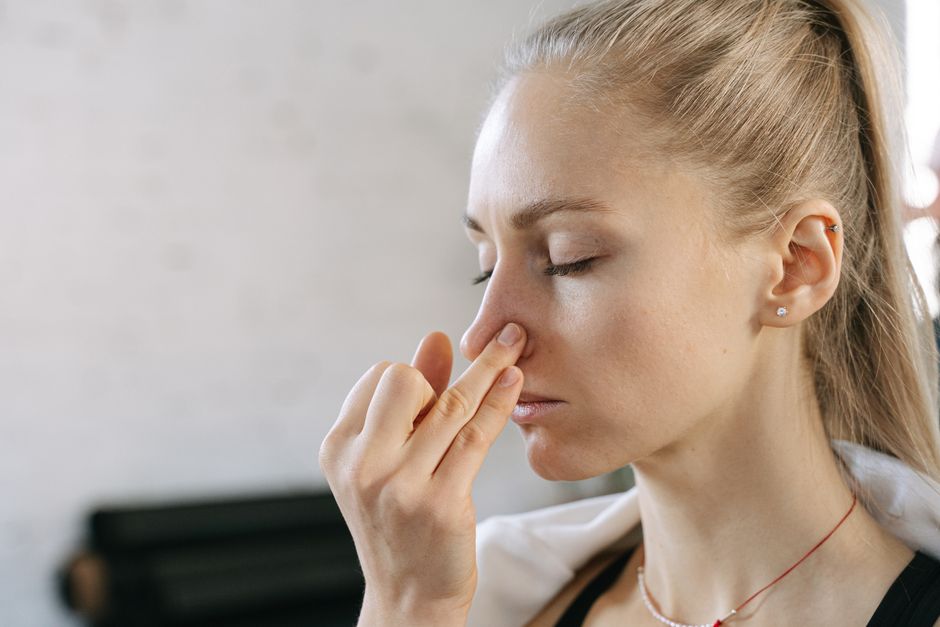
Nosebleeds are common, but when they happen over and over, they stop feeling like a random event. Recurrent nosebleeds usually mean something in your nose is fragile or irritated. The most common culprit is dry air, which dries out the delicate lining inside your nostrils and makes the blood vessels there crack easily. Other frequent causes include nose picking, allergies, and high blood pressure. Understanding why your nose keeps bleeding is the first step to stopping the cycle.
Why Does Your Nose Keep On Bleeding? The Anatomy Behind It
The inside of your nose is lined with a thin layer of tissue called the mucosa. This tissue is packed with tiny blood vessels that sit very close to the surface. Their job is to warm and humidify the air you breathe. Because they are so close to the surface, they are easy to damage.
Most nosebleeds start in the front part of the nose, in an area called Kiesselbach’s plexus. This is a network of blood vessels on the lower part of the nasal septum, the wall that divides your nostrils. Bleeding from this area is called an anterior nosebleed. It is the most common type and usually easy to control.
Less often, bleeding comes from deeper in the nose. This is called a posterior nosebleed. These are more serious and more common in older adults. They often require medical attention because the blood vessels are larger and harder to reach.
What Causes Recurrent Nosebleeds?
Recurrent nosebleeds are not usually a sign of a serious illness. Most of the time, they come from everyday triggers that you can change. Here are the most common causes.
Dry Air and Low Humidity
Dry air is the number one cause of repeated nosebleeds. When the air is dry, the moisture in your nasal lining evaporates quickly. The tissue dries out, cracks, and forms crusts. When you breathe, or when the crusts loosen, the fragile blood vessels underneath break open.
This is why nosebleeds are more common in winter when indoor heating dries the air. They also happen more often in arid climates. People who live in dry environments or who use forced-air heating often notice a seasonal pattern to their nosebleeds.
Nose Picking and Rubbing
Nose picking is a common cause, especially in children. Fingernails are sharp enough to scratch the nasal lining. Even gentle rubbing can break blood vessels that are already fragile. If you pick at crusts or dried mucus, you can reopen a healing wound and start the bleeding again.
This creates a cycle. The nose bleeds, forms a scab, the scab itches or feels annoying, you pick it, and it bleeds again. Breaking this cycle is often the key to stopping recurrent nosebleeds.
Allergies and Sinus Infections
Allergies cause inflammation in the nasal lining. This inflammation makes the blood vessels swell and become more fragile. Frequent sneezing and blowing your nose can also break these vessels. The same applies to sinus infections, which cause swelling and increased pressure in the nasal passages.
Decongestant sprays can also contribute. When used for more than a few days, these sprays can dry out the nasal lining and make it more prone to bleeding.
Trauma and Injury
Any blow to the nose can cause bleeding. This includes sports injuries, falls, or even just bumping your nose accidentally. The bleeding often stops quickly, but if the area is bruised or the tissue is damaged, it may bleed again for a few days as it heals.
Foreign objects in the nose are another cause, especially in young children. A small toy or bead lodged in the nostril can irritate the lining and cause repeated bleeding until it is removed.
Medical Conditions That Cause Nosebleeds
Sometimes, recurrent nosebleeds point to an underlying medical issue. These are less common, but they matter. If your nosebleeds are frequent and you cannot explain them with the usual causes, it is worth discussing with a doctor.
High Blood Pressure
High blood pressure does not cause nosebleeds in most people. However, it can make nosebleeds harder to stop. When your blood pressure is high, the blood flows with more force. This makes it more difficult for the natural clotting process to seal the break in the vessel.
Some research suggests that people with high blood pressure who get nosebleeds are more likely to need medical treatment to stop them. If you have high blood pressure and frequent nosebleeds, getting your blood pressure under control may reduce the severity and frequency.
Blood Clotting Disorders
Your body needs clotting factors to stop bleeding. If you have a condition that affects clotting, such as hemophilia or von Willebrand disease, you may bleed longer and more easily. These conditions are usually diagnosed early in life because they cause other symptoms like easy bruising or prolonged bleeding from small cuts.
Certain medications can also affect clotting. Blood thinners like warfarin, apixaban, and rivaroxaban reduce your blood’s ability to clot. Aspirin and ibuprofen can also increase bleeding risk. If you take any of these medications, you may notice that nosebleeds last longer and happen more often.
Nasal Tumors and Abnormal Growths
In rare cases, recurrent nosebleeds are caused by a growth inside the nose. This could be a benign polyp or, very rarely, a malignant tumor. These growths can bleed because they have their own blood supply that is fragile.
Other symptoms to watch for include a blocked feeling on one side of the nose, facial pain, or a change in your sense of smell. If you have these symptoms along with recurrent nosebleeds, you should see an ear, nose, and throat specialist for an examination.





How to Stop a Nosebleed Fast
When a nosebleed starts, the right technique can stop it quickly. The most common mistake people make is tilting their head back. This causes blood to run down the throat, which can make you nauseous or cause you to swallow blood.
Instead, follow these steps:
- Sit up straight and lean slightly forward. This keeps blood from running down your throat.
- Pinch the soft part of your nose, just below the bony bridge. Use your thumb and index finger.
- Hold the pinch for at least 10 minutes without checking. Releasing early can break the clot that is forming.
- Breathe through your mouth while you hold your nose.
- Apply a cold pack or ice wrapped in a cloth to the bridge of your nose. This can help constrict blood vessels.
If bleeding continues for more than 20 minutes, or if you feel dizzy or lightheaded, seek medical care. Heavy bleeding that does not stop is a reason to go to urgent care or the emergency room.
How to Prevent Recurrent Nosebleeds
Prevention focuses on keeping the nasal lining moist and protecting it from injury. Most people can reduce their nosebleeds significantly with simple daily habits.
Moisturize the Nasal Lining
Using a saline nasal spray or gel daily can keep the lining hydrated. These products are available over the counter and are safe for regular use. They work by adding moisture back to the tissue, which prevents cracking.
Petroleum jelly is another option. A small amount applied to the inside of each nostril at night can create a protective barrier. Use a clean finger or a cotton swab to apply it gently.
Use a Humidifier
If you live in a dry climate or use indoor heating, a humidifier in your bedroom can help. Keeping the air at a comfortable humidity level prevents the nasal lining from drying out overnight. This is especially helpful during winter months.
Stop Picking
If you pick your nose, try to stop. This is hard, especially if you do it without thinking. Keep your fingernails short to reduce the risk of scratching. If you pick because your nose feels crusty or blocked, use a saline rinse to soften the crusts instead of pulling them off.
Treat the Underlying Cause
If allergies are causing your nosebleeds, managing the allergies can help. Antihistamines or nasal steroid sprays can reduce inflammation. However, nasal steroid sprays can also dry the nose, so use them with a saline spray if needed.
If you have high blood pressure, work with your doctor to manage it. If you take blood thinners, do not stop them on your own. Talk to your doctor about your nosebleeds and ask if any adjustments are safe.
When to See a Doctor
Occasional nosebleeds are normal. Recurrent nosebleeds are worth investigating if they happen more than once a week, last longer than 20 minutes, or are heavy enough to interfere with your daily life. You should also see a doctor if the bleeding follows a head injury or if you are taking blood thinners.
Seek emergency care if you cannot stop the bleeding, if you feel faint, or if you are coughing up blood. Bleeding from both nostrils at once, or bleeding that flows down the back of your throat, can indicate a posterior nosebleed which needs medical treatment.
No clinical guidelines exist for how many nosebleeds are too many. The right threshold is different for each person. If your nosebleeds are bothering you, or if you are worried about them, that is a good enough reason to get checked.
Frequently Asked Questions
Why do I get nosebleeds every day?
Daily nosebleeds usually mean the nasal lining is too dry and keeps cracking open. Nose picking, low humidity, or overuse of decongestant sprays are the most common reasons.
Can stress cause nosebleeds?
Stress does not directly cause nosebleeds, but it can raise blood pressure and increase the chance of picking or rubbing your nose. If stress leads to poor sleep and dry indoor air, that combination can make nosebleeds more likely.
Are nosebleeds a sign of cancer?
Nosebleeds are rarely a sign of cancer. Nasal tumors can cause bleeding, but they also cause other symptoms like a blocked feeling on one side, facial pain, or changes in smell. Recurrent nosebleeds alone are almost always from benign causes.
Why do I get nosebleeds in my sleep?
Dry air overnight is the main cause of nighttime nosebleeds. Mouth breathing while you sleep can also dry out the nasal lining faster. Using a humidifier in your bedroom often helps.
