
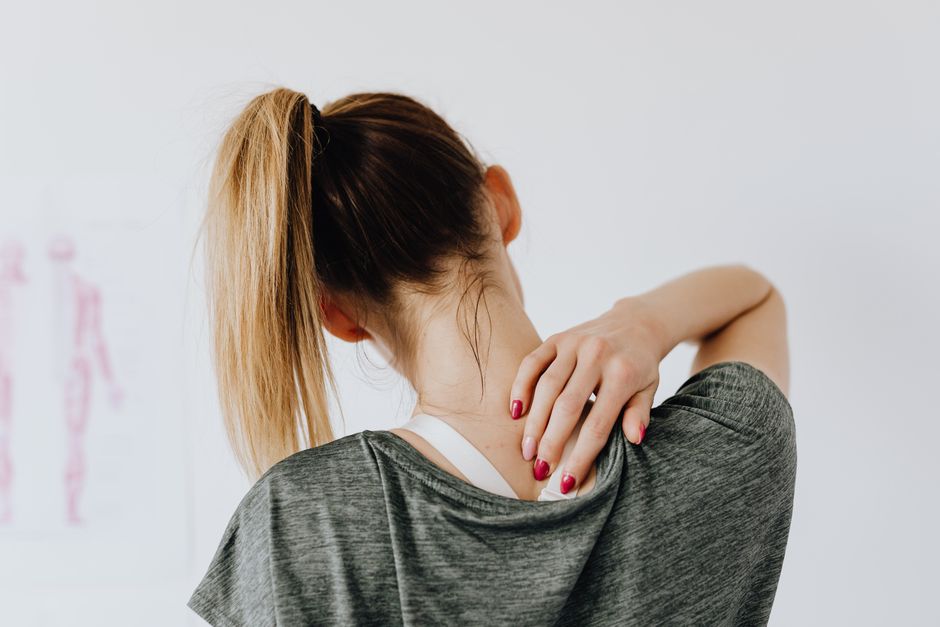
You wore a ponytail for a few hours, took it out, and now your scalp feels sore and tender. It can even hurt to brush your hair or rest your head on a pillow. This is a real physical response, not your imagination. When you pull hair tight, the follicles and the tiny muscles attached to them get strained. The nerves in your scalp send pain signals. That soreness is your scalp telling you it was pulled too hard for too long.
Why Does Your Hair Hurt After A Ponytail?
Each hair grows out of a structure called a follicle. Attached to every follicle is a tiny muscle called the arrector pili. These muscles are what make your hair stand up when you are cold or scared. They also respond when your hair is pulled.
When you tie hair back tightly, you stretch the follicle in a direction it does not normally sit. The arrector pili muscle contracts. Nerve endings around the follicle fire off pain signals. This is a mechanical strain, similar to holding your arm in an awkward position for hours. The tissue gets irritated and stays irritated for a while after you let go.
The medical term for this is traction. It describes any force that pulls on the hair. Traction does not just affect the follicle. It also pulls on the blood vessels and connective tissue in the scalp. That is why the soreness can spread beyond the spot where the ponytail sat.
This is different from a headache. The pain comes from the scalp tissue itself, not from blood flow changes in the brain. That is why rubbing your scalp or taking the hair down helps, while a headache pill may not.
Why Does the Soreness Last After You Take the Ponytail Out?
The pain does not stop the moment you release the hair tie. The tissue has been compressed and stretched for hours. It needs time to return to its normal state.
Think of it like sitting in one position for a long flight. When you stand up, your legs do not feel normal right away. The tissue was under pressure and needs to recover. Hair follicles work the same way.
Nerve endings that have been firing pain signals do not reset instantly. They can stay sensitized for a period after the pressure is gone. This is why your scalp may ache for several hours, or even into the next day, after a tight style.
The length of soreness depends on how tight the style was and how long you wore it. A loose ponytail for an hour may cause mild tenderness that fades quickly. A tight style worn all day can leave the scalp sore for much longer.
What Makes Some People More Sensitive to Ponytail Pain?
Not everyone feels the same level of soreness from the same hairstyle. Several factors affect how much traction your scalp can handle.
- Hair weight. Longer, thicker, or heavier hair puts more load on each follicle. The same ponytail tightness creates more pull.
- Scalp sensitivity. Some people simply have more sensitive nerve endings in the scalp. This is a normal variation, not a sign of a problem.
- How tight the style is. This is the biggest factor. A ponytail that feels snug when you tie it will feel much tighter an hour later as the scalp adjusts.
- How long you wear it. Traction builds over time. A style that is fine for an hour can become painful after six.
- Direction of pull. Hair pulled in a direction it does not naturally fall creates more strain on the follicle.
There is also a difference between short-term soreness and a pattern that develops over months or years. If your scalp hurts every time you wear a ponytail, and the pain is getting worse, that is worth paying attention to.




Can Wearing Tight Ponytails Cause Permanent Damage?
Occasional tight hairstyles are not likely to cause lasting harm. But repeated, prolonged traction over months or years can damage hair follicles. This condition is called traction alopecia.
Traction alopecia starts as soreness and small bumps on the scalp. Over time, the repeated pulling can cause the hair to break and eventually stop growing in the affected area. In early stages, the damage is often reversible if the pulling stops. In later stages, when scarring has formed in the follicle, hair may not grow back.
Research published in the Journal of the American Academy of Dermatology and other dermatology journals has documented this pattern, particularly in people who wear tight braids, weaves, or ponytails regularly. The risk goes up with frequency, tightness, and duration.
The key point is that the soreness you feel after a ponytail is an early warning. It does not mean damage has already happened. But ignoring it and repeating the same tight style day after day is what leads to trouble.
How Do You Relieve Scalp Soreness From a Ponytail?
The first step is to take the hair down and leave it loose. Give the scalp time to recover before you tie it back again.
A few things that may help:
- Gently massage the scalp with your fingertips to increase blood flow.
- Apply a cool compress to the sore area for short periods.
- Avoid brushing or combing the sore area roughly while it is tender.
- Skip tight styles for a few days until the soreness is gone.
Over-the-counter pain relievers may help if the soreness is significant, but they are not necessary for mild tenderness that fades on its own. If the pain is severe or does not improve after a day or two, that is a reason to see a doctor.
Some clinicians suggest alternating hairstyles throughout the week to avoid repeated strain on the same follicles. This is common-sense advice rather than something proven in large trials, but it aligns with what is known about how traction damage develops.
How Do You Prevent Ponytail Pain?
The simplest fix is to tie your hair more loosely. A ponytail should feel comfortable when you make it. If it feels tight, it is too tight.
Other practical steps:
- Use a soft fabric hair tie instead of a tight elastic band.
- Move the position of your ponytail from day to day so the pull is not always in the same spot.
- Take your hair down during the day if you can, especially if you wear it up for work.
- Avoid pulling hair back when it is wet, since wet hair stretches more and is more fragile.
- If you wear braids or extensions, ask your stylist not to pull the hair too tight at the roots.
There is no official guideline on how long is too long to wear a tight style. The general principle from dermatology is that if it hurts, it is already too tight. Pain is the signal to change what you are doing.
When Should Scalp Pain From a Ponytail Be Checked by a Doctor?
Most ponytail soreness goes away on its own within a day. But some situations need medical attention.
See a doctor if:
- The pain is severe or gets worse instead of better.
- Soreness lasts more than a few days after you stop wearing tight styles.
- You notice bald patches or thinning in the areas that hurt.
- You see redness, bumps, or crusting on the scalp.
- Your scalp hurts even when your hair is loose.
Scalp pain that happens without any pulling can have other causes. These include skin conditions, nerve conditions, or other medical issues. A doctor can tell the difference.
It is also worth knowing that some people develop a condition called trichodynia, where the scalp hurts even when there is no visible cause. This is not the same as ponytail soreness, but it can feel similar. If your scalp hurts all the time, not just after tight styles, that is a different conversation with your doctor.
Frequently Asked Questions
Why does my scalp hurt after wearing a ponytail?
Tight hair pulls on the follicles and the tiny muscles attached to them, which triggers pain signals in the scalp nerves. The soreness is a mechanical strain response, not a sign of something wrong with your brain or circulation.
How long does ponytail scalp pain usually last?
Mild soreness typically fades within a few hours to a day after you take the hair down. If pain lasts more than a few days, or continues even when your hair is loose, see a doctor.
Can tight ponytails cause hair loss?
Repeated and prolonged tight styling over months or years can lead to a condition called traction alopecia, which may cause permanent hair loss in advanced stages. Early damage is often reversible if the pulling stops.
How do I stop my ponytail from hurting my scalp?
Tie your hair loosely, use a soft fabric tie, and change the position of your ponytail regularly. If it feels tight when you make it, it is already too tight.
