
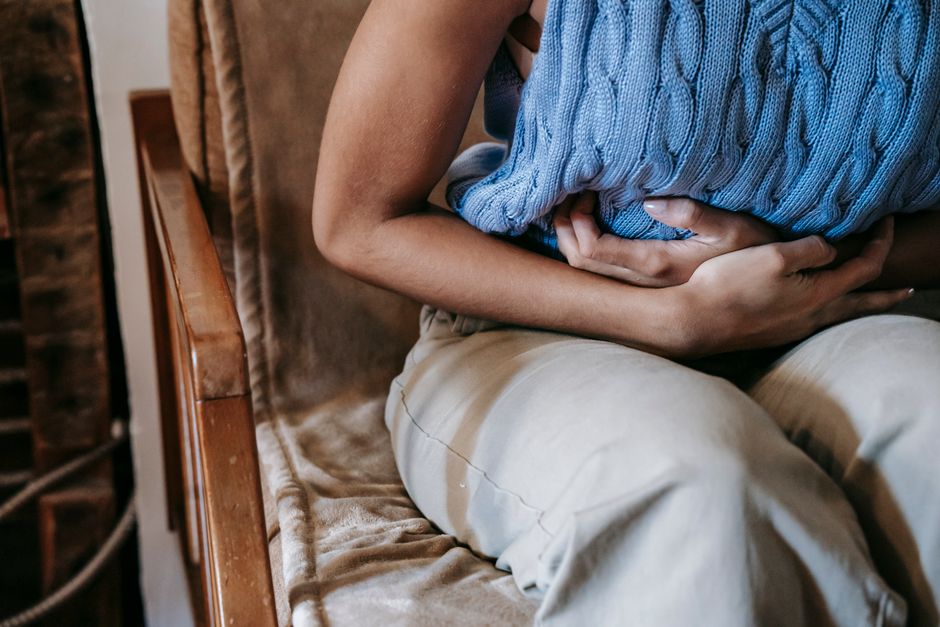
Pain at the bottom of your stomach when you pee usually means something is inflamed or irritated in your bladder, urethra, or pelvic floor. The most common cause is a urinary tract infection (UTI), but it can also be related to kidney stones, interstitial cystitis, or pelvic floor muscle tension. The location of the pain — low in the abdomen, often right above the pubic bone — helps narrow down which organ or tissue is involved.
What Causes Pain in the Lower Abdomen When Urinating?
Your bladder sits low in the pelvis, just behind the pubic bone. When it becomes irritated, you feel that pain in the bottom of your stomach. The most common cause by far is a urinary tract infection. The CDC reports that UTIs account for over 8 million doctor visits each year in the United States.
Bacteria enter the urethra and travel up into the bladder. The lining becomes inflamed. Every time your bladder contracts to push urine out, that inflamed tissue gets squeezed. That is the sharp or burning pain you feel low in your belly.
Other causes include kidney stones that have moved into the ureter near the bladder, interstitial cystitis (a chronic bladder pain condition), and pelvic floor dysfunction where the muscles around the bladder are too tight. Sexually transmitted infections like chlamydia or gonorrhea can also cause this pain, especially in women.
How Can You Tell If It Is a UTI or Something Else?
The classic UTI symptoms are unmistakable once you know them. You feel a strong, sudden urge to pee even when your bladder is nearly empty. The urine may look cloudy or have a strong smell. You might see a trace of blood. And the pain is usually a burning sensation that peaks at the end of urination.
If the pain is more of a dull ache that lingers after you finish peeing, it could be interstitial cystitis. Research published in the Journal of Urology estimates that interstitial cystitis affects between 3 and 8 million women in the United States. Men get it too, but far less often. The pain from interstitial cystitis often gets worse as the bladder fills and improves after urination — the opposite of a UTI.
If the pain comes in waves and radiates to your lower back or groin, suspect a kidney stone. Stones cause sharp, cramping pain that can make you nauseous. The pain does not stop when you finish peeing. It keeps coming in waves as the stone moves.
Some people report pelvic pressure or a feeling of heaviness rather than sharp pain. This is more common with pelvic floor tension. Stress, anxiety, or sitting for long hours can tighten these muscles and trap pain signals.
What Does Research Show About Why Does The Bottom Of My Stomach Hurt When I Pee?
Studies have found that the pain location matters for diagnosis. A 2019 study in the journal BMC Urology looked at over 1,200 patients with urinary symptoms. Those who reported pain specifically in the suprapubic area — the lower belly right above the pubic bone — were significantly more likely to have a confirmed UTI than those with pain elsewhere.
The same study found that women were four times more likely than men to report this type of pain with a UTI. This matches what we know about anatomy. Women have a shorter urethra, which makes it easier for bacteria to reach the bladder.
Research also shows that the type of bacteria matters. E. coli causes about 80% of uncomplicated UTIs according to the Infectious Diseases Society of America. These bacteria trigger a strong inflammatory response. That inflammation is what you feel as pain when the bladder wall stretches during urination.
For interstitial cystitis, the evidence is less clear. Some studies suggest it involves a defect in the protective lining of the bladder. Without that protective layer, urine irritates the bladder wall directly. Other research points to nerve hypersensitivity, where the nerves in the pelvis send pain signals even without obvious tissue damage.





When Should You See a Doctor for Lower Abdominal Pain When Peeing?
You should see a doctor if the pain lasts more than 24 hours or if you have a fever over 100.4°F. A fever with urinary pain suggests the infection may have moved from the bladder to the kidneys. That is a more serious condition called pyelonephritis, which requires stronger antibiotics.
See a doctor immediately if you see visible blood in your urine. A small amount of blood with a UTI is common, but heavy bleeding or clots need evaluation. The American Urological Association recommends urgent evaluation for anyone with visible blood in the urine who also has pain.
Men with lower abdominal pain when peeing should see a doctor sooner than women. UTIs are less common in men, so the cause is more likely to be a prostate issue, a stone, or a structural problem. A study in the Journal of Urology found that men with urinary pain are twice as likely to have a significant finding on imaging compared to women with the same symptom.
Pregnant women with any urinary pain should call their doctor the same day. UTIs in pregnancy can lead to preterm labor if not treated quickly. The American College of Obstetricians and Gynecologists recommends urine screening at the first prenatal visit and again in the third trimester.
People with diabetes, a history of kidney stones, or a weakened immune system should also seek care promptly. These conditions raise the risk of complicated infections that may need different treatment.
What Treatments Actually Work for This Type of Pain?
For a confirmed UTI, antibiotics are the only treatment that addresses the cause. The type and duration depend on the bacteria and your health history. A three-day course of nitrofurantoin or trimethoprim-sulfamethoxazole is common for uncomplicated UTIs in women. Men usually need a longer course — 7 to 14 days — because the bacteria can hide in the prostate.
For pain relief while waiting for antibiotics to work, a urinary analgesic called phenazopyridine can help. It is sold under the brand name AZO. It numbs the lining of the urinary tract. The pain relief starts within an hour. But it only treats the symptom, not the infection. And it turns urine bright orange, which is harmless but alarming if you do not expect it.
For interstitial cystitis, treatment is more complex. The FDA has approved a medication called pentosan polysulfate sodium (Elmiron) that coats the bladder wall. But it takes months to work and can cause vision problems with long-term use. Many patients find relief with diet changes — avoiding coffee, alcohol, citrus, and spicy foods. Physical therapy for the pelvic floor also helps many people by relaxing the muscles that are contributing to the pain.
For kidney stones, treatment depends on size. Stones smaller than 5 millimeters often pass on their own with pain medication and increased fluid intake. Stones larger than 5 millimeters may need procedures like lithotripsy, where sound waves break the stone into smaller pieces. A study in the New England Journal of Medicine found that about 80% of stones smaller than 5 millimeters pass within four weeks without intervention.
For pelvic floor tension, pelvic floor physical therapy is the most effective option. A 2021 review in the journal Physical Therapy found that 70% of patients with chronic pelvic pain reported significant improvement after pelvic floor therapy. The therapist teaches you to relax and coordinate the muscles that control urination.
What Home Remedies Help and What Makes Things Worse?
Drinking more water is the one home remedy with solid evidence behind it. A 2018 study published in JAMA Internal Medicine found that women with recurrent UTIs who increased their water intake by 1.5 liters per day had half as many infections over one year compared to women who did not increase their water intake. More water means more frequent urination, which flushes bacteria out before they can multiply.
Cranberry juice has mixed evidence. Some studies suggest that certain compounds in cranberries can prevent bacteria from sticking to the bladder wall. But the evidence for treating an active infection is weak. The National Center for Complementary and Integrative Health states that cranberry products do not appear to treat existing UTIs. If you like cranberry juice, it will not hurt, but do not rely on it to fix the problem.
Things that make the pain worse include holding your urine for long periods. This gives bacteria more time to multiply and increases bladder pressure. Caffeine and alcohol can irritate an already inflamed bladder lining. Spicy foods and acidic foods like tomatoes and citrus can also worsen symptoms in people with interstitial cystitis or a sensitive bladder.
Avoid using scented soaps, bubble baths, or feminine hygiene sprays near the urethra. These products can irritate the urethral opening and make the burning sensation worse. The American College of Obstetricians and Gynecologists recommends plain water for cleaning the genital area.
Do not use leftover antibiotics from a previous infection. The bacteria causing this infection may be different from the last one, and using the wrong antibiotic can make the bacteria resistant. A study in Clinical Infectious Diseases found that up to 30% of women who used leftover antibiotics for a UTI ended up needing a second course because the bacteria were not fully cleared.
What Is the Difference Between Bladder Pain and Urethral Pain?
Bladder pain and urethral pain feel different even though both happen when you pee. Bladder pain is felt low in the abdomen, usually in the center right above the pubic bone. It is often described as a dull ache, pressure, or cramping that happens as the bladder contracts. The pain may peak at the end of urination when the bladder is empty and the walls rub together.
Urethral pain is felt in the tube that carries urine out of the body. For women, that is between the clitoris and the vaginal opening. For men, it runs through the penis. Urethral pain is usually a sharp, burning sensation that starts as urine passes through the inflamed tissue and stops soon after the stream ends.
When people say the bottom of their stomach hurts when they pee, they are usually describing bladder pain. But the two types of pain can overlap. A UTI often causes both bladder and urethral pain. The table below shows how to tell them apart.
| Symptom | Bladder Pain | Urethral Pain |
|---|---|---|
| Location | Lower abdomen, above pubic bone | At the urethral opening or along the penis |
| Sensation | Dull ache, pressure, cramping | Sharp, burning, stinging |
| Timing | Worst at the end of urination | Worst during the stream |
| Common causes | UTI, interstitial cystitis, stones | UTI, STI, irritation from products |
Knowing which type of pain you have helps your doctor narrow down the cause. If the pain is clearly in the urethra and not the lower belly, the cause is more likely to be an STI or a local irritation rather than a bladder infection.
Frequently Asked Questions
Can dehydration cause lower stomach pain when peeing?
Dehydration does not directly cause pain, but it makes urine more concentrated which can irritate the bladder lining. Concentrated urine also makes it harder to flush out bacteria, raising the risk of a UTI.
Is it normal to have lower abdominal pain after peeing?
No, it is not normal. Pain after urination often means the bladder wall is inflamed and rubbing against itself when empty. This is a common sign of interstitial cystitis or a UTI.
Can stress cause pain at the bottom of my stomach when I pee?
Yes, stress can tighten the pelvic floor muscles, which then press on the bladder and urethra. This can cause a dull ache or pressure during urination even without an infection.
How long does lower abdominal pain from a UTI last after starting antibiotics?
Most people feel significant improvement within 24 to 48 hours of starting the right antibiotic. The pain usually resolves completely within a few days, but finish the full course even if you feel better.
