
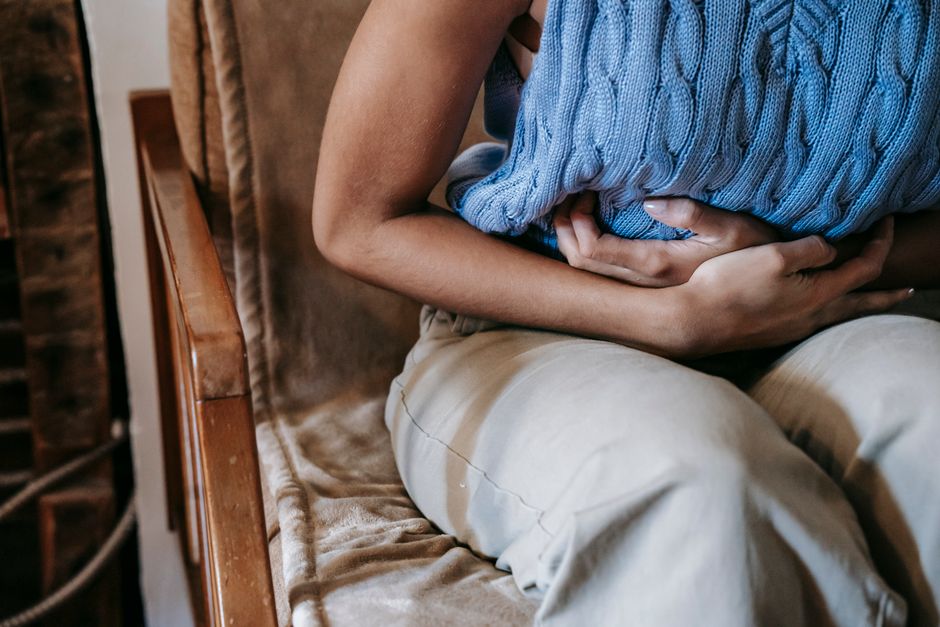
That cramping, aching, or heavy feeling in your lower belly in the days before your period is one of the most common reasons people seek help for period pain. It is called premenstrual syndrome, or PMS, and for many, the stomach discomfort is the first sign that a period is on the way. The pain is real, it is physical, and it has a clear biological cause. It happens because of the natural rise and fall of hormones in the second half of your menstrual cycle.
What Causes Stomach Pain Before Your Period?
The main driver is a group of chemicals called prostaglandins. These are hormone-like substances that your uterus produces to help it contract. As your period approaches, prostaglandin levels rise. Higher levels mean stronger contractions.
These contractions squeeze the blood vessels in the lining of the uterus. That temporarily reduces blood flow and oxygen to the tissue. The result is cramping pain in the lower abdomen. The same prostaglandins can also affect your bowels, which is why some people feel nauseous, bloated, or have loose stools around the same time.
Progesterone is another player. It rises after ovulation and can slow down your digestive tract. Slower digestion leads to gas, bloating, and constipation. When progesterone drops sharply right before your period, it can trigger the opposite effect in some people, leading to diarrhea.
Is It PMS or Something Else?
PMS stomach pain typically starts one to two weeks before your period and eases once bleeding begins. The pain is usually a dull ache or cramping in the lower belly. It may come and go.
But not all stomach pain before a period is PMS. Some conditions cause pain that feels similar but has a different source. Endometriosis is one example. In endometriosis, tissue similar to the uterine lining grows outside the uterus. That tissue also responds to hormones and bleeds each month, causing inflammation and pain. The pain from endometriosis is often more severe and can last longer than typical PMS cramps.
Ovarian cysts can also cause pre-period pain. A cyst that grows large or ruptures can produce sharp pain on one side of the lower belly. Fibroids, which are non-cancerous growths in the uterus, can cause heavy bleeding and cramping that worsens before your period.
If your pain is severe enough to interrupt daily life, gets worse over time, or does not improve with basic pain relief, it is worth discussing with a clinician. Pain that is not typical for you deserves attention.
How to Tell the Difference Between Cramps and Digestive Issues
Because prostaglandins affect both the uterus and the gut, the two systems often act up at the same time. That makes it hard to tell where the pain is coming from.
True uterine cramps feel like a squeezing or pressure low in the pelvis, often in the center. They may radiate to the lower back or inner thighs. Digestive pain tends to be more spread out. It may feel like sharp gas pains, bloating, or a general discomfort that moves around the abdomen.
Pay attention to what makes it better. Heat on the lower belly often helps uterine cramps. Passing gas or having a bowel movement usually relieves digestive pain. If your symptoms are mostly about bloating, constipation, or diarrhea, your gut is likely the main source.
What Actually Helps Relieve the Pain?
Several approaches have solid evidence behind them. The first line of treatment for period cramps is non-steroidal anti-inflammatory drugs, or NSAIDs. Ibuprofen and naproxen are common examples. They work by blocking prostaglandin production, which directly targets the cause of the pain. For best results, they work best when taken at the first sign of pain or even a day before your period is due. Follow the dosing instructions on the label.
Heat therapy is simple and effective. A heating pad or warm bath relaxes the uterine muscle and improves blood flow. Some studies suggest heat can be as effective as ibuprofen for mild to moderate cramps.
Regular exercise throughout the month is associated with less period pain. The mechanism is not fully proven, but moderate physical activity improves circulation and releases endorphins, which are natural pain relievers. Exercise is not a quick fix, but consistent activity over several cycles may reduce symptom severity.
What About Diet and Supplements?
Some dietary changes have research support, though the evidence is less strong than for NSAIDs or heat. Reducing salt in the week before your period may lessen bloating. Caffeine can worsen breast tenderness and irritability in some people, so cutting back may help.
Magnesium is the supplement with the most consistent evidence for PMS symptoms. Some studies suggest it can reduce bloating, breast tenderness, and mood symptoms. The evidence is moderate, and it does not work for everyone. If you try it, use a standard dose from a reputable brand and give it a few cycles to see if it helps.
Calcium has also been studied for PMS. Some research indicates that getting around 1,200 mg of calcium daily from food or supplements may reduce both physical and mood symptoms. The effect is modest but real in some studies. Food sources include dairy, leafy greens, and fortified plant milks.
Vitamin B6 has shown some benefit for PMS mood symptoms in small studies. High doses can cause nerve damage, so it is important not to exceed the recommended daily allowance. No clinical guidelines currently recommend B6 as a first-line treatment for stomach pain specifically.
When Should You See a Doctor?
Mild to moderate cramping that responds to over-the-counter pain relief and does not disrupt your life is generally not a cause for concern. But some symptoms warrant a medical evaluation.
See a clinician if your pain is severe enough that pain medication does not help, if it keeps you from work or school, or if it has gotten progressively worse over several cycles. Pain that starts before your period but continues through it and beyond is also worth investigating.
Seek urgent care if you have sudden, sharp abdominal pain, especially if it is on one side, or if the pain comes with fever, vomiting, dizziness, or fainting. These can be signs of a ruptured cyst, an ectopic pregnancy, or another condition that needs immediate attention.
It is also worth noting that period pain is not something you have to simply endure. If your current approach is not working, a clinician can discuss options like hormonal birth control, which reduces prostaglandin production and often significantly reduces cramping. Some people find that continuous birth control, where you skip the placebo week, eliminates the pain entirely.
Why Does My Stomach Hurt Before My Period and Not During?
This is a common question. The answer comes down to the timing of hormone withdrawal. Prostaglandin levels start rising in the days before bleeding begins. For some people, the peak sensitivity happens before the period starts, not during it.
Progesterone also peaks about a week after ovulation, then falls sharply if pregnancy does not occur. That drop triggers the uterine lining to shed, but it also affects the gut. The sudden change in progesterone can cause the intestines to become more active or less active, depending on the person.
So the pre-period window is a time of significant hormonal flux. For many, the pain is strongest in the 24 to 48 hours before bleeding starts, then eases once the period is fully underway.
Frequently Asked Questions
Can stomach pain before my period mean I am pregnant?
Yes, early pregnancy can cause mild cramping and bloating that feels similar to PMS. The only reliable way to tell the difference is a pregnancy test if your period is late.
How long before my period does stomach pain usually start?
PMS symptoms typically begin one to two weeks before your period, but the stomach cramping often intensifies in the final two to three days before bleeding starts.
Is it normal to have diarrhea before my period?
Yes, the same prostaglandins that cause uterine cramps can also stimulate the bowels, leading to loose stools or diarrhea in the days before your period.
When is stomach pain before my period a sign of something serious?
Pain that is severe, one-sided, comes with fever or vomiting, or does not improve with pain medication warrants a medical evaluation.
