
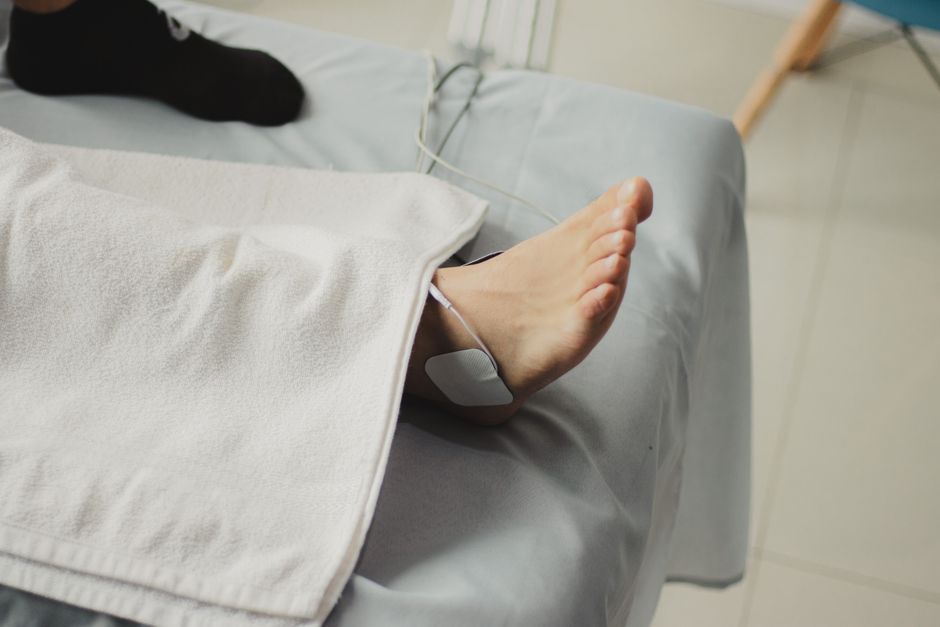
Heel pain is one of the most common foot problems adults face. If the bottom of your heel hurts, especially with your first steps in the morning, you likely have a condition called plantar fasciitis. This happens when the thick band of tissue running along the bottom of your foot becomes irritated and inflamed. Most cases improve with stretching, proper footwear, and rest, though it can take several months to fully resolve.
What Causes Pain on the Bottom of the Heel?
The most frequent cause is plantar fasciitis. The plantar fascia is a strong, flat band of tissue that connects your heel bone to your toes. It supports the arch of your foot and acts like a shock absorber when you walk or run.
When this tissue is stretched too much or too often, tiny tears develop. The body responds with inflammation and pain. This usually happens where the tissue attaches to the heel bone.
Several factors increase your risk. Being on your feet for long hours, especially on hard surfaces, puts repeated stress on the tissue. Carrying excess weight adds extra pressure with every step. Tight calf muscles or a high arch can also pull on the plantar fascia more than normal.
Sudden increases in activity—like starting a new running program or walking more than usual—are common triggers. Wearing shoes with poor arch support or thin soles can also contribute.
Why Does It Hurt Most in the Morning?
Morning pain is a classic sign of plantar fasciitis. While you sleep, your foot relaxes into a pointed position. This shortens the plantar fascia and calf muscles.
When you stand up, your body weight suddenly stretches that tight tissue. The result is a sharp, stabbing pain at the bottom of the heel. The pain often eases after a few minutes of walking as the tissue warms up and stretches out.
Pain that returns after sitting for a while and then standing again follows the same pattern. The tissue tightens during rest, then gets pulled when you bear weight.
This specific pattern—pain with the first steps, easing with movement, then returning after rest—is what doctors use to identify plantar fasciitis. It is rarely a sign of anything more serious.
How Do You Know It Is Plantar Fasciitis?
A doctor can usually diagnose plantar fasciitis based on your symptoms and a physical exam. They will press on the bottom of your heel to check for tenderness. They may also ask you to flex your foot while they apply pressure to see if that reproduces the pain.
Imaging tests are not usually needed. However, if your pain does not improve after several weeks of treatment, your doctor might order an X-ray or ultrasound to rule out other problems.
Some conditions can mimic plantar fasciitis. A heel spur is a bony growth on the heel bone. It often shows up on X-rays, but it is rarely the actual source of pain. Many people have heel spurs with no pain at all.
Less common causes include a stress fracture of the heel bone, a pinched nerve, or a condition called fat pad atrophy where the cushioning pad under the heel thins out. These require different treatments, so a proper diagnosis matters.



What Is the Fastest Way to Fix Heel Pain?
No single treatment works for everyone, and there is no instant cure. But a combination of approaches gives you the best chance of relief.
Stretching is the most important step. Stretch your calf muscles and the bottom of your foot several times a day. A simple towel stretch—looping a towel around the ball of your foot and pulling your toes toward you—targets both areas at once.
Another effective stretch is the wall push-up. Stand facing a wall, place your hands on it, and step one foot back. Keep the back heel flat on the floor and lean forward until you feel a stretch in the calf. Hold for 30 seconds and repeat three times on each side.
Rolling the bottom of your foot over a frozen water bottle or a tennis ball for five to ten minutes can reduce inflammation and massage the tissue. Do this gently. It should not cause sharp pain.
Rest is also necessary. Reduce activities that put high impact on your feet, like running or jumping. Switch to lower-impact exercise such as swimming or cycling while your heel heals.
What Shoes and Supports Help Heel Pain?
Footwear makes a significant difference. Shoes with good arch support and a cushioned heel reduce the strain on the plantar fascia. Avoid flat shoes, worn-out sneakers, and walking barefoot on hard floors, especially in the morning.
Over-the-counter heel cups or arch supports can help. These inserts provide extra cushioning and lift the arch slightly, taking tension off the plantar fascia. They are inexpensive and worth trying before considering custom orthotics.
Some studies suggest that custom-made orthotics work no better than quality over-the-counter inserts for most people. Start with the cheaper option. If your pain persists after several weeks, talk to a doctor about whether custom supports are worth the cost.
Night splints are another option. These devices hold your foot at a 90-degree angle while you sleep, keeping the plantar fascia stretched overnight. This prevents the tissue from tightening, which reduces morning pain. They take time to get used to, but some people find them very helpful.
When Should You See a Doctor?
See a doctor if the pain is severe, if it lasts more than a few weeks despite home treatment, or if you have numbness or tingling in your foot. Also seek medical advice if the pain follows an injury or if you have redness, swelling, or warmth in the heel.
If conservative treatments do not work, a doctor may recommend physical therapy. A physical therapist can teach you specific exercises and use techniques like manual therapy or ultrasound to promote healing.
Nonsteroidal anti-inflammatory drugs (NSAIDs) like ibuprofen can reduce pain and inflammation in the short term. They are not a long-term solution. Use them only as directed on the label, and talk to your doctor if you need them regularly.
Steroid injections are sometimes used for stubborn cases. They can provide temporary relief, but repeated injections can weaken the plantar fascia and increase the risk of rupture. Most doctors limit how often they offer this treatment.
How Long Does Plantar Fasciitis Take to Heal?
Healing takes time. Most people notice significant improvement within six to twelve weeks of consistent treatment. Complete resolution can take six months or longer.
The key is consistency. Stretching once in a while will not help. You need to stretch daily, wear supportive shoes every day, and avoid activities that aggravate the pain.
Even after the pain resolves, continue stretching and wearing supportive shoes. Plantar fasciitis has a tendency to return if you stop the habits that helped you heal.
Can Heel Pain Be Prevented?
Prevention focuses on the same principles as treatment. Maintain a healthy weight to reduce pressure on your feet. Replace athletic shoes regularly—most lose their cushioning after 300 to 500 miles of use.
Warm up properly before exercise and increase your activity level gradually. Sudden jumps in mileage or intensity are common causes of injury.
If you stand for long periods at work, use a cushioned anti-fatigue mat and take breaks to sit. Stretch your calves throughout the day to keep them from tightening up.
Frequently Asked Questions
Is walking good for plantar fasciitis?
Walking is generally fine as long as it does not cause sharp pain. Reduce high-impact activities like running, and wear supportive shoes while walking.
Does a heel spur cause the pain?
Usually not. Heel spurs are common and often painless. The pain typically comes from inflammation in the plantar fascia, not the spur itself.
Can plantar fasciitis go away on its own?
It can, but it often takes months and may worsen without treatment. Stretching and supportive footwear speed up recovery and reduce the chance of it becoming chronic.
Are custom orthotics worth it for heel pain?
Research suggests over-the-counter arch supports work as well as custom orthotics for most people. Try the cheaper option first before spending more.
