
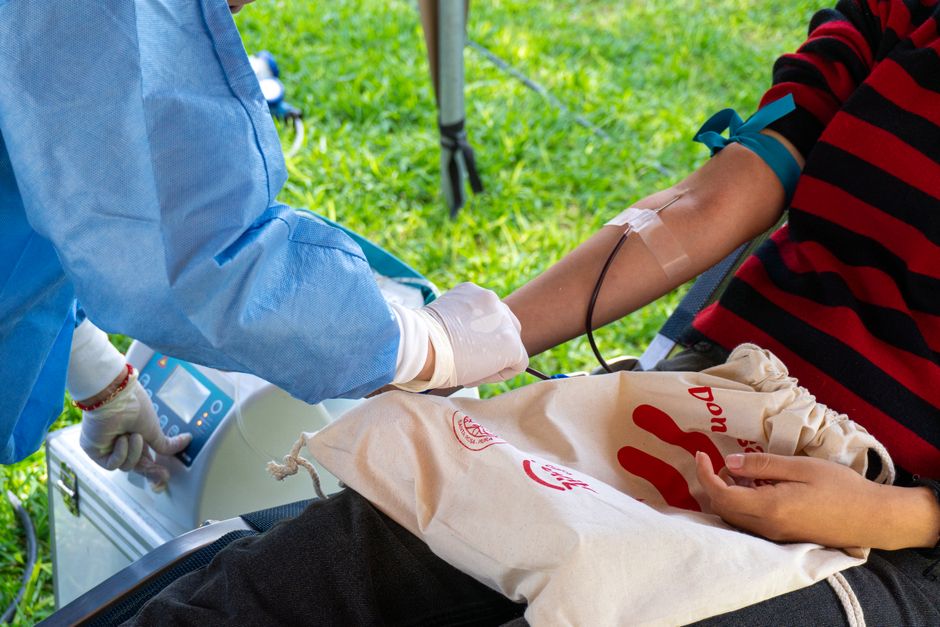
Plasma donation involves a needle stick, so it is not completely painless, but most donors describe the discomfort as brief and mild. The initial pinch of the needle is the most noticeable part, and the actual donation process usually feels like little more than pressure or a dull sensation in the arm. For the vast majority of people, the experience is manageable and over faster than they expect.
What Does the Needle Stick Actually Feel Like?
The needle used for plasma donation is larger than the one used for a standard blood test. Because of that, the initial insertion can sting a bit more. Most people compare it to a quick pinch or a mild bee sting that lasts only a few seconds.
Once the needle is in place, most donors report feeling almost nothing. The sensation shifts to a mild pressure or a slight coolness in the arm as the blood leaves the body. This is normal and usually fades within a minute or two as you settle into the donation.
If you are nervous about needles, tell the staff. They are trained to help you stay calm and comfortable. Many centers have techniques to distract you or make the process easier.
Why Does Plasma Donation Feel Different From Blood Donation?
Plasma donation uses a process called plasmapheresis. A machine draws your blood, separates the plasma from the red blood cells and platelets, and then returns those cells back to your body with a saline solution.
This process takes longer than a standard whole blood donation. A typical plasma donation session lasts about 60 to 90 minutes from check-in to finish. The actual time on the machine is usually around 45 minutes to an hour.
Because the process is longer, you may notice some sensations that whole blood donors do not experience. The most common is a cool feeling in the arm when the saline and your red blood cells are returned to you. This is completely normal and harmless.
Some people also feel a slight tingling around the lips or in the fingers. This happens because the anticoagulant used during the process temporarily lowers calcium levels in the blood. It is usually mild and goes away quickly. If it bothers you, tell the staff. They can slow the machine down or give you a calcium supplement.
What Are the Common Side Effects?
Most donors leave the center feeling completely fine. Some experience mild side effects that resolve within a few hours.
- Bruising at the needle site — This is the most common side effect. It happens when a small amount of blood leaks into the tissue around the vein. It looks worse than it feels and usually fades within a few days.
- Dizziness or lightheadedness — This can happen if you have not eaten or drank enough before donating. It usually passes quickly once you sit down and have a snack.
- Fatigue — Some people feel tired for the rest of the day. This is more common in first-time donors or people who donate frequently.
- Dehydration — Plasma is mostly water. Your body needs time and fluids to replace what was removed.
Serious complications are rare. In trained hands, the procedure is safe for healthy adults who meet the screening requirements.





Does the Needle Hurt More the Second Time?
No. In fact, most people find the second donation easier than the first. The anxiety is lower because you know what to expect. The staff also has a record of which arm and which vein worked best last time.
Some regular donors say the needle stick becomes almost routine. They know the brief pinch is coming, and they know it passes quickly. The anticipation is often worse than the actual sensation.
If you had a difficult first experience, mention it to the staff. They can use a smaller needle if appropriate, or take extra time to find a good vein before inserting the needle.
How Can You Reduce Discomfort During Plasma Donation?
Preparation makes a real difference. Donors who come in hydrated and well-fed consistently report a smoother experience.
Drink plenty of water in the 24 hours before your appointment. Avoid alcohol and caffeine for at least a few hours beforehand. Eat a meal that includes protein and complex carbohydrates about two hours before you arrive. Avoid fatty foods right before donation because they can make your plasma appear milky and affect testing.
Wear a shirt with loose sleeves that can be rolled up easily. Wear something comfortable. Bring a jacket or sweater because the donation room is often kept cool.
Distraction helps many people. Bring headphones and listen to music or a podcast. Some centers have televisions. If you focus on something else, the time passes faster and the discomfort feels smaller.
What Happens If You Feel Pain During the Donation?
Sharp pain during the donation is not normal. A mild pressure or dull ache is expected, but a sudden sharp pain, burning, or throbbing should be reported immediately.
Tell the staff right away. They can check the needle position and adjust it. Sometimes the needle shifts slightly and presses against the vein wall, which causes discomfort. A small adjustment usually fixes this.
It is important to speak up. The staff cannot read your mind. They would rather pause the donation and fix a small issue than have you sit through an uncomfortable session.
If you feel severe pain, nausea, or see swelling around the needle site, the staff will stop the donation. This is rare, but it happens. The safety protocols exist to protect you.
How Long Does the Discomfort Last After Donation?
The needle site may feel slightly sore for a few hours after donation. This is normal and similar to how you feel after a blood draw or a vaccine.
Most people can return to normal activities immediately after donating. You should avoid heavy lifting or intense exercise with that arm for at least a few hours. This reduces the risk of bruising and helps the vein heal.
If you feel tired, rest for the remainder of the day. Your body has just processed a significant fluid shift. Give it time to recover.
You can donate plasma up to twice per week in most centers, provided you meet the eligibility requirements. Your body replaces the plasma within 24 to 48 hours. The red blood cells that were returned to you are not lost, so there is no waiting period for red blood cell replenishment like there is for whole blood donation.
Is Plasma Donation Safe for Everyone?
Plasma donation is safe for healthy adults who pass the screening process. There are strict eligibility criteria that protect both the donor and the recipients of the plasma.
You will be screened for medical conditions, medications, travel history, and lifestyle factors. Your vital signs will be checked, including blood pressure, heart rate, and temperature. Your hemoglobin and protein levels are also tested to ensure your body can handle the donation.
Some people are not eligible to donate. This includes people with certain chronic conditions, some infections, and people taking specific medications. The screening is thorough for a reason. Plasma products are given to people with serious medical conditions, and safety is the top priority.
If you have questions about your eligibility, call the donation center before your appointment. They can tell you if your situation is likely to be an issue.
What Does the Evidence Say About Donor Comfort?
Research on plasma donation discomfort is limited compared to whole blood donation. Most studies focus on safety and donor retention rather than pain scores.
What the research does show is that first-time donors report more anxiety and discomfort than repeat donors. This suggests that familiarity reduces the negative experience. The more you donate, the easier it becomes.
Some studies indicate that donor comfort improves when centers use good vein selection techniques and well-trained staff. This is why choosing a reputable, licensed donation center matters. They have protocols in place to minimize discomfort and manage complications.
The evidence does not support the idea that plasma donation is a painful or traumatic experience for most people. It is a minor medical procedure with brief discomfort that resolves quickly.
Frequently Asked Questions
Does the needle hurt during plasma donation?
The needle insertion causes a brief pinch that lasts a few seconds. After that, most donors feel only mild pressure or nothing at all.
How long does a plasma donation take?
The entire visit usually takes 60 to 90 minutes. The actual time on the machine is around 45 minutes to an hour.
Can I donate plasma if I am afraid of needles?
Yes, many people with needle anxiety donate successfully. Tell the staff beforehand so they can help you stay calm and comfortable.
What should I eat before donating plasma?
Eat a meal with protein and complex carbohydrates about two hours before your appointment. Avoid fatty foods and drink plenty of water beforehand.
