
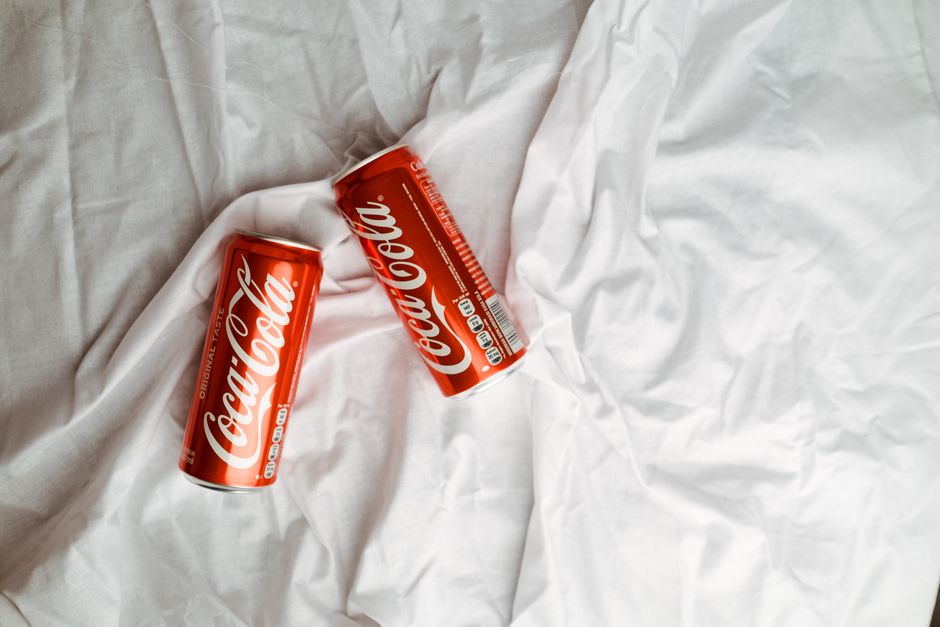
Caffeine in soda is not an accident. It is there because caffeine is a mildly addictive stimulant that gives a quick lift, and because the flavor profile of many sodas was built around it. Cola is the clearest example. The original cola recipes used kola nut, a natural source of caffeine, and the taste and the buzz became inseparable from what people expected from the drink. When soda moved to industrial ingredients, manufacturers kept the caffeine and often added more from a purified source. The result is a category of soft drinks where caffeine is a deliberate ingredient, not a leftover.
Why Does Soda Have Caffeine in the First Place?
The short answer is habit and flavor. Caffeine is one of the few legal ingredients that can make a beverage mildly habit-forming without changing its character much. A cola with caffeine tastes slightly more bitter and more “adult” than the same drink without it, and the stimulant effect gives a small, repeatable reward that encourages another can.
The history matters here. Early cola syrups were sold as patent medicines and often contained kola nut extract, which naturally carries caffeine. When those products shifted into mainstream soft drinks in the twentieth century, the kola nut faded out but the caffeine stayed. Most major cola brands now use caffeine added as a purified additive rather than extracted from a plant, but the amount is designed to land in a familiar range.
There is also a practical reason tied to how the drink feels. Caffeine is a mild diuretic and a central nervous system stimulant. It does not make soda fizzy or sweet, but it does change how the drink sits with you. A caffeinated cola tends to feel more refreshing and more “awake” than a caffeine-free version, even when the flavor is nearly identical. That perception is part of the product.
Which Sodas Contain Caffeine and Which Do Not?
Caffeine is not spread evenly across the soda aisle. It shows up mostly in colas, in some citrus and pepper-style sodas, and in energy drinks that are technically separate from traditional soft drinks. Many clear sodas, fruit sodas, and ginger ales contain none at all.
The pattern is fairly predictable once you know the categories:
- Colas almost always contain caffeine, including regular and diet versions.
- Pepper-style sodas typically contain caffeine.
- Citrus sodas vary — some are caffeinated, many are not.
- Root beer, ginger ale, lemon-lime sodas, and most fruit sodas are usually caffeine-free.
- Energy drinks contain caffeine but are a different product category with much higher amounts.
Because formulations differ by brand and by country, the only reliable way to know is to read the label. In the United States, caffeine is not required to be listed as a separate line on the Nutrition Facts panel unless the product makes a caffeine claim, so you often have to look at the ingredient list for words like “caffeine” or “guarana.”
How Much Caffeine Is in a Typical Soda?
Most mainstream caffeinated sodas land in a modest range. A standard 12-ounce cola usually contains somewhere between roughly 30 and 50 milligrams of caffeine. Diet versions are often in the same range. Energy drinks are a different story and commonly contain well over 100 milligrams per can, sometimes several times that.
For comparison, an 8-ounce cup of brewed coffee generally contains around 95 milligrams of caffeine, and a standard shot of espresso contains about 63 milligrams. So a single cola delivers a fraction of what a coffee does. The catch is volume and speed. People tend to drink soda quickly and in larger containers, and a 20-ounce bottle can carry noticeably more caffeine than a 12-ounce can of the same brand.
Here is a rough comparison for common sources:
| Beverage | Typical caffeine (approximate) |
|---|---|
| 12 oz caffeinated cola | 30–50 mg |
| 12 oz caffeine-free soda | 0 mg |
| 8 oz brewed coffee | ~95 mg |
| 1 shot espresso | ~63 mg |
| Energy drink (varies widely) | Often 100+ mg |
These are general ranges, not exact figures. Actual amounts vary by brand, recipe, and serving size, and manufacturers occasionally reformulate. The label on the specific product is the only number that applies to what you are actually drinking.





Does Caffeine in Soda Affect You Differently Than Coffee?
The caffeine molecule is the same regardless of the source, so your body processes it the same way. What differs is the delivery. Soda comes with sugar or artificial sweeteners, carbonation, and often a fast drinking pace. Coffee is usually sipped more slowly and, for many people, is paired with food.
That difference can change how the caffeine feels. A sugary soda can produce a quicker spike in blood sugar alongside the stimulant effect, which some people experience as a sharper up-and-down than coffee gives. Carbonation also speeds how fast you finish the drink. None of this changes the pharmacology of caffeine itself, but it changes the experience.
One thing worth knowing: caffeine is not the only stimulant in some sodas. A few products include guarana, a plant that contains caffeine and related compounds. Guarana is often not obvious on the front of the label, which is why ingredient lists matter more than marketing.
Is the Caffeine in Soda a Health Concern?
For most healthy adults, the caffeine in a typical soda is not a major concern on its own. The bigger issue with regular soda is usually the sugar, not the caffeine. A 12-ounce regular cola commonly contains around 39 grams of sugar, which is close to the daily added-sugar limit many health authorities recommend for adults.
Caffeine becomes more of a question in a few situations:
- Children and teens. Caffeine affects smaller bodies more strongly. Major health organizations generally advise that children and adolescents limit caffeine, and some recommend avoiding it. Soda is a common and often overlooked source.
- Pregnancy. Guidance from health authorities generally recommends limiting caffeine during pregnancy. Soda counts toward that total, and it is easy to lose track of because it feels like a soft drink rather than a stimulant.
- Sensitivity and sleep. Caffeine has a half-life of roughly several hours in most adults, meaning a good portion can still be in your system long after you drink it. An afternoon soda can affect sleep for people who are sensitive.
- Medication interactions. Caffeine can interact with certain medications and with some health conditions. If you take prescription drugs or manage a heart or anxiety condition, that is a conversation for your clinician, not a label.
None of this means a caffeinated soda is dangerous for a typical healthy adult. It means the caffeine is real, it adds up across a day, and it is easy to forget because soda does not feel like a stimulant the way coffee does.
Why Do Some Sodas Skip Caffeine Entirely?
Plenty of sodas have no caffeine, and that is a deliberate choice too. Caffeine-free versions of major colas exist because a meaningful share of customers want the taste without the stimulant — often for sleep, for pregnancy, for children, or simply by preference. For these products, the flavor is built to stand on its own without the caffeine contributing to the profile.
There is a common assumption that caffeine-free cola tastes noticeably different from the regular version. In blind comparisons, many people cannot reliably tell them apart, though regular cola does tend to carry a slightly more bitter edge. The difference is subtle, which is part of why caffeine-free options work as substitutes for people who want to cut back.
If you are trying to reduce caffeine, soda is often the easiest place to start because the swap is nearly seamless. Coffee and tea are harder to replace without noticing. A caffeine-free cola gets you most of the way there with very little change in experience.
Frequently Asked Questions
Why does soda have caffeine if it is not coffee?
Cola originally contained caffeine from kola nut, and manufacturers kept it because it adds a mild stimulant effect and a slightly bitter flavor that people expect. Most modern sodas use purified caffeine added as an ingredient rather than a plant extract.
How much caffeine is in a can of soda?
A standard 12-ounce caffeinated cola usually contains roughly 30 to 50 milligrams of caffeine. That is well below an 8-ounce cup of coffee, which typically has around 95 milligrams.
Is caffeine in soda bad for you?
For most healthy adults, the caffeine in a typical soda is not a major concern by itself. The sugar content is usually the bigger issue, and caffeine matters more for children, pregnant people, and anyone sensitive to stimulants.
Do all sodas contain caffeine?
No. Colas and pepper-style sodas usually contain caffeine, while root beer, ginger ale, lemon-lime sodas, and most fruit sodas are typically caffeine-free. Check the ingredient list to be sure.
