
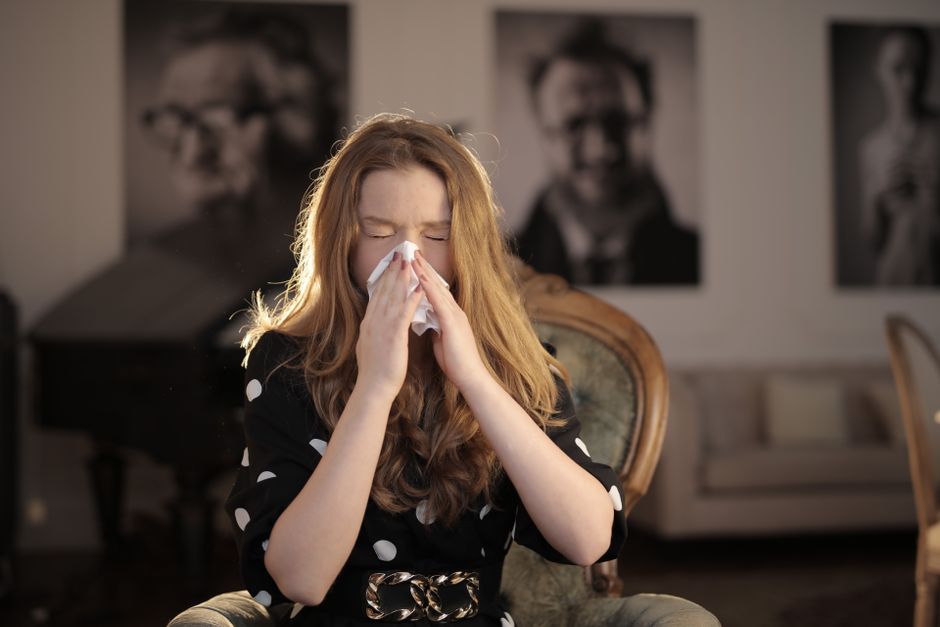
Sneezing is a reflex, but the pain that sometimes comes with it is not. When a sneeze hurts, it usually means something in your head, chest, or back is taking more force than it can handle. Most of the time, that force is normal and harmless. But understanding exactly why it hurts can help you tell the difference between a momentary twinge and a sign that you need medical attention.
What Happens in Your Body When You Sneeze
A sneeze is a sudden, powerful burst of air. It is your body’s way of clearing irritants from your nose and airways. Before the air rushes out, your chest and abdominal muscles tighten. Pressure builds up inside your chest. Then, in a fraction of a second, that pressure releases through your mouth and nose.
The force of that release is significant. Studies have measured the speed of a sneeze at over 100 miles per hour. That force travels through your chest, up your neck, and into your head. Every muscle and tissue along that path absorbs some of the impact. When those tissues are healthy, the impact is barely noticeable. When they are strained, inflamed, or injured, the same force becomes painful.
Why Does Sneezing Hurt in the Chest
Chest pain with sneezing is common. The most frequent cause is a strained muscle. The intercostal muscles sit between your ribs. They help expand and contract your ribcage when you breathe. A sneeze contracts these muscles hard and fast. If they are already tight, overworked, or recovering from an injury, that sudden contraction can cause sharp pain.
Another common cause is costochondritis. This is inflammation of the cartilage that connects your ribs to your breastbone. It is not dangerous, but it can be painful. Sneezing stretches and compresses this cartilage, which triggers a stabbing sensation. The pain usually goes away when the sneeze ends.
Less commonly, chest pain with sneezing can signal a problem with the lining of your lungs or heart. Pleurisy is inflammation of the tissue around your lungs. Pericarditis is inflammation of the sac around your heart. Both conditions cause sharp pain that gets worse with deep breaths, coughing, or sneezing. If your chest pain is severe, lasts longer than a few minutes, or comes with shortness of breath, seek medical care.
Why Sneezing Hurts in the Back
Back pain from sneezing usually originates in the spine. The discs between your vertebrae act as shock absorbers. When you sneeze, the pressure in your chest and abdomen pushes against your spine. If a disc is weakened or bulging, that sudden pressure can push it further. This is how a sneeze can trigger a sudden episode of sciatica or a herniated disc.
Muscle spasms in the back can also cause sneezing pain. Your back muscles contract reflexively during a sneeze to stabilize your torso. If those muscles are strained, the contraction can cause a spasm. The pain is often sudden and sharp, but it usually fades within seconds or minutes.
Sneezing pain that radiates down your leg is a red flag. That pattern suggests nerve compression in your lower spine. If you have numbness, tingling, or weakness in your leg, do not ignore it. See a doctor for an evaluation.





Why Sneezing Hurts in the Head
Head pain from sneezing falls into two categories. The first is brief and harmless. The pressure from a sneeze temporarily increases pressure inside your skull. If you have a sinus infection, allergies, or a cold, that pressure can cause a sudden headache. The pain fades quickly once the sneeze ends.
The second category is more concerning. Some people experience a sudden, severe headache with sneezing that lasts for minutes or hours. This is called a primary cough headache or sneeze headache. It is not usually dangerous, but it can be a sign of an underlying problem. In rare cases, sneezing can increase pressure in the skull enough to cause a serious issue, such as a structural problem in the brain.
If your sneezing headache is severe, comes on suddenly, or is your first one ever, get medical evaluation. A doctor can rule out more serious causes. If the headache is mild and only happens occasionally, it is likely nothing to worry about.
Why Sneezing Hurts in the Throat
Sore throats and sneezing often go together. The force of a sneeze can irritate an already inflamed throat. If you have a viral infection, the tissues in your throat are swollen and sensitive. The sudden rush of air and pressure makes that sensitivity worse.
Some people also experience a sharp, brief pain in the throat when they sneeze. This can happen if the muscles in the back of the throat contract forcefully. It is usually harmless and resolves on its own.
When Sneezing Pain Signals Something Serious
Most sneezing pain is short-lived and harmless. But there are warning signs that should not be ignored.
- Severe pain that lasts beyond the sneeze. Pain that persists for hours is not normal.
- Pain with shortness of breath. This can indicate a lung or heart problem.
- Pain with numbness, tingling, or weakness. This suggests nerve involvement.
- Headaches that are sudden and severe. This warrants immediate medical attention.
- Pain with fever. This can indicate an infection.
If you have any of these symptoms, see a doctor. Do not wait to see if they improve. These symptoms can indicate conditions that need treatment.
How to Reduce Pain When You Sneeze
You cannot stop yourself from sneezing, and you should not try. Holding in a sneeze can cause injury. The pressure has to go somewhere, and forcing it back can damage your eardrums or blood vessels.
Instead, focus on reducing the impact. When you feel a sneeze coming, brace yourself. Press your hand against your chest or abdomen. This provides external support to the muscles that are about to contract. Some people find that bending forward slightly helps reduce the strain on their back.
If you have a known muscle strain or back issue, you can take an over-the-counter anti-inflammatory medication before a known trigger, like allergy season. Do not take medication without checking with your doctor first, especially if you have other health conditions.
Treating the underlying cause helps too. If allergies cause your sneezing, antihistamines can reduce how often you sneeze. If a cold or sinus infection is the culprit, treating that infection will reduce the inflammation that makes sneezing painful.
When to See a Doctor for Sneezing Pain
Occasional, brief pain with sneezing does not require medical care. It is normal. But you should see a doctor if the pain is frequent, severe, or getting worse over time.
You should also see a doctor if the pain interferes with your daily life. If you are avoiding sneezing, or if you feel anxious about the next sneeze, that is a sign that the pain is not normal for you. A doctor can evaluate your spine, chest, or sinuses to find the source of the problem.
In most cases, sneezing pain is a temporary nuisance. It passes quickly and causes no lasting harm. Understanding what your body is doing during a sneeze can help you stay calm when it happens and recognize when something more serious is going on.
Frequently Asked Questions
Why does my chest hurt when I sneeze?
The most common cause is a strained intercostal muscle between your ribs or inflammation of the cartilage connecting your ribs to your breastbone. Both conditions are painful but not dangerous.
Can sneezing cause a herniated disc?
Yes, sneezing can worsen an existing disc problem by suddenly increasing pressure in your spine. If you have back pain that radiates down your leg with sneezing, see a doctor.
Is it dangerous to hold in a sneeze?
Yes, holding in a sneeze can cause injury by forcing pressure into areas that are not designed to handle it. Let the sneeze happen naturally.
When should I worry about sneezing pain?
Worry if the pain is severe, lasts longer than the sneeze itself, comes with shortness of breath, or is accompanied by numbness or weakness. These symptoms warrant medical evaluation.
