
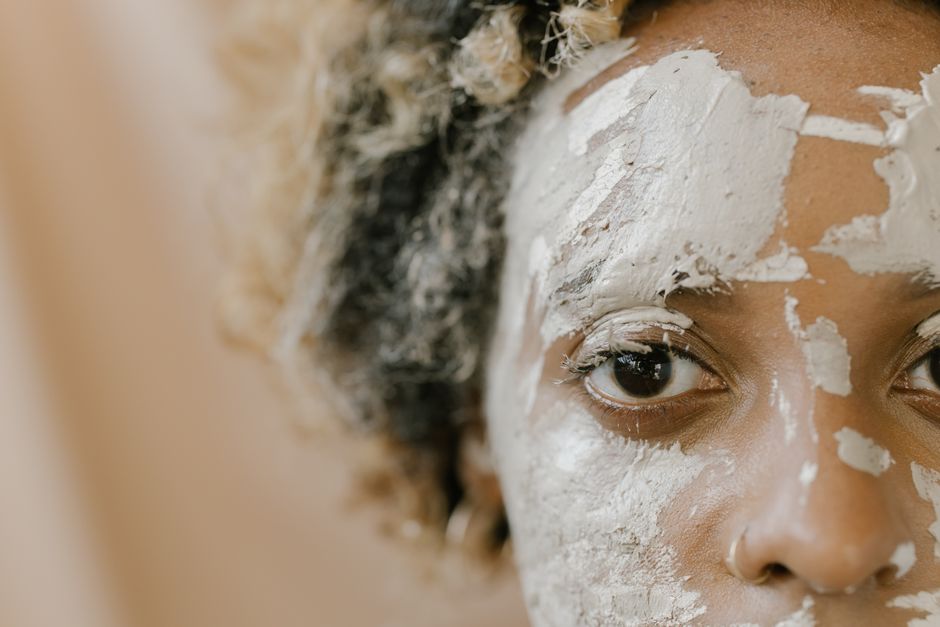
Facial darkening is one of the most common skin concerns, and it usually comes down to one thing: melanin. Your skin produces extra melanin in response to triggers like sun exposure, hormones, or inflammation, and that pigment settles into the deeper layers of your skin. The result is a face that looks darker, patchy, or uneven compared to your neck and chest. The good news is that most causes of facial darkening are manageable, and the first step is understanding exactly what is triggering your skin’s pigment production.
What Causes the Skin on Your Face to Darken?
Your face is exposed to the sun more than almost any other part of your body. That alone explains why facial skin often looks darker than skin that stays covered. When ultraviolet light hits your skin, your melanocytes — the cells that produce pigment — go into overdrive. They release melanin to protect deeper layers of skin from UV damage.
But sun is not the only trigger. Hormones play a major role in facial darkening. Pregnancy, birth control pills, and hormone therapy can all stimulate melanin production. This condition is called melasma, and it typically appears as dark, symmetrical patches on the cheeks, forehead, and upper lip.
Inflammation is another common cause. After acne, eczema, or even a minor cut, the skin can produce excess pigment as it heals. This is called post-inflammatory hyperpigmentation, and it can leave dark spots that last for months.
Why Is My Face Getting Darker Than My Body?
Facial skin is simply more vulnerable to pigment changes than the rest of your body. Your face has more melanocytes per square inch than most other areas. It also gets constant sun exposure, even on cloudy days or through windows.
Your face also comes into contact with more products than your body does. Some skincare ingredients, particularly certain essential oils and fragrances, can make skin more sensitive to sunlight. This is called photosensitivity. When you use these products and then go outside, your skin reacts by producing extra pigment.
Another overlooked factor is friction. Resting your chin on your hand, rubbing your eyes, or wearing tight masks can all cause mild inflammation that triggers pigment production. Over time, this repeated friction can darken areas of the face unevenly.
Melasma: The Hormonal Cause of Facial Darkening
Melasma is one of the most common causes of facial darkening, especially in women. It appears as flat, brown, or gray-brown patches that are usually symmetrical. The cheeks, forehead, nose, and upper lip are the most common locations.
Estrogen and progesterone are the main drivers. These hormones trigger melanocytes to produce more pigment, and sun exposure makes the condition significantly worse. Melasma is so strongly linked to hormones that it is sometimes called “the mask of pregnancy.” It affects up to 50 percent of pregnant women, according to some research.
Melasma is not dangerous, but it is stubborn. The pigment sits deep in the skin, which makes it harder to treat than surface-level dark spots. It can also return after treatment, especially if sun protection is not consistent.





Post-Inflammatory Hyperpigmentation: Dark Spots After Breakouts
Post-inflammatory hyperpigmentation, or PIH, happens when your skin produces extra melanin in response to injury or inflammation. Acne is the most common trigger on the face. When a pimple heals, it can leave behind a flat, dark spot that lingers for weeks or months.
PIH affects people of all skin tones, but it is more noticeable and lasts longer in people with darker skin. The pigment can range from light brown to almost black, depending on your natural skin tone and the depth of the inflammation.
The key to preventing PIH is to avoid picking or squeezing pimples. Every time you manipulate a breakout, you increase inflammation, and more inflammation means more pigment. Treating acne early and gently is the best way to prevent these dark spots from forming in the first place.
Other Medical Conditions That Darken the Face
Not all facial darkening is related to sun or hormones. Some medical conditions can cause the skin to darken, and these require a different approach.
Acanthosis nigricans is a condition that causes dark, velvety patches of skin. It usually appears in skin folds like the neck, armpits, or groin, but it can affect the face in some cases. It is strongly associated with insulin resistance and type 2 diabetes. If you notice this pattern of darkening, it is worth discussing with your doctor.
Addison’s disease is a rare condition where the adrenal glands do not produce enough cortisol. It can cause generalized darkening of the skin, including the face, along with fatigue, weight loss, and low blood pressure. This is a serious condition that requires medical evaluation.
Certain medications can also cause facial darkening. Some antibiotics, anti-seizure medications, and chemotherapy drugs are known to increase skin pigmentation. If you started a new medication and noticed your face getting darker, talk to your prescribing doctor.
How to Prevent Your Face From Getting Darker
Sun protection is the single most effective prevention strategy. Use a broad-spectrum sunscreen with an SPF of 30 or higher every day, even when it is cloudy. Reapply every two hours if you are outdoors. Sunscreen does not just prevent future darkening — it also allows existing dark spots to fade by blocking the UV rays that keep pigment production active.
Wear a wide-brimmed hat and seek shade during peak sun hours, typically between 10 a.m. and 4 p.m. These physical barriers are especially important if you have melasma, which is highly sensitive to even small amounts of sun exposure.
Review your skincare routine for photosensitizing ingredients. Retinoids, alpha-hydroxy acids, and certain essential oils like citrus oils can increase sun sensitivity. If you use these products, apply them at night and be extra diligent with sunscreen during the day.
Treatment Options That Are Actually Supported by Evidence
Several treatments have good evidence behind them for lightening facial darkening. The most researched topical ingredient is hydroquinone, which blocks the enzyme that produces melanin. It is available over the counter in low concentrations and by prescription in higher strengths. Hydroquinone should be used under medical supervision, especially for long periods.
Other evidence-based options include azelaic acid, kojic acid, and vitamin C. These work by interfering with melanin production at different stages. They are generally well tolerated, though results take time. Most dermatologists recommend using these products consistently for at least eight to twelve weeks before judging their effectiveness.
Procedures like chemical peels and laser therapy can be effective, but they carry risks. Darker skin tones are more prone to paradoxical darkening after these procedures. If you are considering a professional treatment, choose a board-certified dermatologist with experience treating your skin type.
Retinoids like tretinoin are also used, often in combination with hydroquinone. They speed up cell turnover, which helps shed pigmented skin cells faster. However, retinoids can cause irritation, and irritated skin can make hyperpigmentation worse. Start with a low concentration and build up gradually.
When to See a Dermatologist
You should see a dermatologist if your facial darkening is sudden, spreading, or accompanied by other symptoms like fatigue or weight loss. These could be signs of an underlying medical condition that needs evaluation.
You should also seek medical advice if over-the-counter products have not produced any improvement after three months of consistent use. A dermatologist can prescribe stronger treatments and determine the exact type of hyperpigmentation you have. Melasma, PIH, and sun damage all respond differently to treatment, and using the wrong approach can waste months of effort.
Any dark spot that changes in size, shape, or color, or that bleeds or itches, should be examined promptly. While most dark spots are benign, skin cancer can sometimes look like a dark patch. A professional evaluation is the only way to know for sure.
Frequently Asked Questions
Can facial darkening be reversed?
Yes, most types of facial darkening can be improved with consistent sun protection and the right treatment. Melasma is the most stubborn type and may require long-term management rather than a complete cure.
Does skin lightening cream actually work?
Some do, but it depends on the active ingredient and the cause of your darkening. Hydroquinone, azelaic acid, and vitamin C have clinical evidence behind them, while many over-the-counter “whitening” products contain unproven ingredients.
Why is my face getting darker even though I wear sunscreen?
Sunscreen needs to be applied correctly and reapplied to be effective. Most people apply too little or forget to reapply every two hours, and some ingredients in skincare products can still trigger pigment production.
Is facial darkening a sign of a serious health problem?
Usually not, but it can be. Conditions like acanthosis nigricans and Addison’s disease can cause skin darkening, so sudden or widespread changes should be evaluated by a doctor.
