
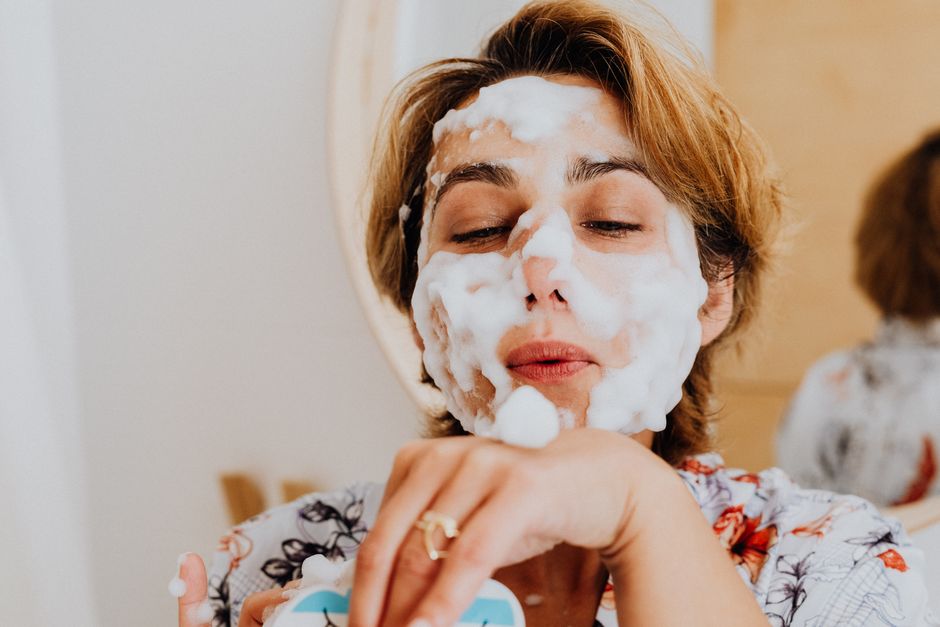
Washing raw shrimp often produces a soapy-looking foam, which makes many home cooks pause and wonder if something is wrong. The foam is a normal reaction between the shrimp’s natural proteins and water, not a sign of spoilage or chemical treatment. It is safe to eat shrimp that foams during washing, provided the shrimp itself is fresh and handled properly.
Why Does Shrimp Foam When Washed And Is It Safe?
The foam forms because shrimp contain water-soluble proteins. When you rinse shrimp, the water agitates these proteins and they create bubbles. This is the same basic principle behind why egg whites foam when whipped.
The foaming is more noticeable with certain types of shrimp. Shrimp that have been treated with sodium tripolyphosphate, a common additive used to retain moisture, tend to foam more. This compound is approved for food use and is not a health concern at the levels used commercially.
Fresh, untreated shrimp will also foam, just less dramatically. The presence of foam alone does not tell you whether shrimp is safe to eat. The smell, texture, and color are better indicators of freshness.
What Causes the Foam to Form
Shrimp muscle tissue is rich in proteins. Some of these proteins dissolve easily in water. When you run water over shrimp, the mechanical action of the water pulls these proteins into the liquid.
Proteins have a structure that allows them to trap air. As water flows and splashes, it introduces air into the liquid. The proteins wrap around these air bubbles and stabilize them. The result is a foam that looks like soap suds.
The amount of foam depends on several factors. The age of the shrimp matters. Fresher shrimp may foam less because their proteins are still tightly bound in the muscle tissue. Shrimp that have been frozen and thawed release more protein into the water, which means more foam.
The temperature of the water also plays a role. Warm water denatures proteins slightly, which can change how they interact with air and water. Cold water generally produces less foam than warm water.
Is the Foam a Sign of Chemicals or Spoilage?
Many people assume foam means the shrimp was treated with soap or chemicals. This is rarely the case. The foam is a natural protein reaction.
However, some commercial shrimp are treated with additives. Sodium tripolyphosphate, often listed as STPP, is the most common. It is used to keep shrimp moist during freezing and thawing. It also increases the shrimp’s weight slightly because it helps the shrimp hold water.
STPP is generally recognized as safe by food regulatory agencies. The concern with STPP is not toxicity but quality. Shrimp treated with STPP can have a rubbery texture and a slightly soapy taste if the compound is not rinsed off thoroughly.
Spoiled shrimp do not foam. They smell strongly of ammonia or sulfur. The flesh becomes mushy and may turn gray or yellow. If your shrimp smells bad, discard it regardless of any foam.
If you are concerned about additives, check the ingredient label. Shrimp that contains only shrimp is untreated. Shrimp that lists sodium tripolyphosphate or “water added” has been treated.



How to Wash Shrimp Properly
Washing shrimp is mostly about removing debris and any residual treatment solution. It does not remove bacteria or make spoiled shrimp safe to eat.
Place the shrimp in a colander and rinse them under cold running water. Cold water minimizes protein denaturation and reduces foaming. Gently toss the shrimp with your hands to ensure all surfaces are rinsed.
If you want to reduce the foam further, you can soak the shrimp in a bowl of cold water for a few minutes. This allows the proteins to dissolve into the water without the agitation of a running faucet. Then drain and rinse once more.
After washing, pat the shrimp dry with paper towels. Removing excess moisture helps the shrimp sear properly if you plan to cook them in a hot pan. Wet shrimp will steam rather than brown.
Washing does not eliminate the need to cook shrimp thoroughly. Shrimp should be cooked until the flesh is opaque and firm. Undercooked shrimp can carry harmful bacteria or viruses.
Does Soaking Shrimp in Salt Water Help?
Some cooks recommend soaking shrimp in salt water before cooking. The idea is that salt water draws out impurities and firms the flesh. The evidence for this is limited.
Salt does affect protein structure. A brine solution can help shrimp retain moisture during cooking. This is a common technique in professional kitchens to prevent overcooked, dry shrimp.
However, soaking shrimp in salt water will not remove bacteria. It will also not reverse spoilage. If shrimp is past its prime, no soaking method will make it safe.
A simple saltwater brine is one teaspoon of salt per cup of cold water. Soak the shrimp for 15 to 30 minutes in the refrigerator. Rinse afterward to remove excess salt.
This technique is optional. It changes texture and moisture, not safety or cleanliness.
Common Shrimp Myths You Should Ignore
Several myths about shrimp persist online and in kitchens. Some of these myths cause people to throw away perfectly good shrimp.
Myth: Foaming shrimp has been washed in detergent. This is false. The foam is protein-based, not soap-based. Real detergent would leave a strong chemical smell and would be visible as residue, not just foam.
Myth: Deveining is required for safety. The dark vein is the shrimp’s digestive tract. It is not toxic, but it can contain grit and sand. Removing it improves texture and appearance. Eating it will not make you sick if the shrimp is fully cooked.
Myth: Raw shrimp should be pink. Raw shrimp is gray or translucent. The pink color develops only when shrimp is cooked. Buying pink raw shrimp may indicate the shrimp was cooked and then frozen, which affects texture.
Myth: Frozen shrimp is lower quality than fresh. Most “fresh” shrimp at the seafood counter was previously frozen. Shrimp spoils quickly, so freezing is the standard preservation method. High-quality frozen shrimp is often better than “fresh” shrimp that has sat for days.
How to Tell If Shrimp Is Actually Safe to Eat
Foam tells you nothing about safety. You need to check other signs before cooking shrimp.
Smell the shrimp first. Fresh shrimp has a mild, briny scent like the ocean. A strong ammonia smell is the clearest sign of spoilage. This odor develops as bacteria break down proteins in the flesh.
Look at the texture. Fresh shrimp is firm and slightly springy. Spoiled shrimp feels mushy or slimy. A slippery coating combined with a bad smell means the shrimp should be discarded.
Check the color. Fresh raw shrimp ranges from gray to light pink with a translucent appearance. Discoloration, dark spots, or a yellow tint can indicate aging.
Verify the source. If you buy shrimp from a reputable seafood market, it should be stored on ice and turned over regularly. Shrimp displayed at room temperature is a food safety risk.
Follow the basic rule for all seafood: when in doubt, throw it out. The cost of replacing shrimp is far lower than the cost of food poisoning.
Does Cooking Kill Everything in Shrimp?
Proper cooking kills harmful bacteria and viruses. The FDA recommends cooking shrimp until the internal temperature reaches 145°F. The flesh should be opaque and pearly white.
Shrimp cooks quickly, usually within two to three minutes per side depending on size. Overcooking makes shrimp rubbery and tough. Undercooking is the real safety concern.
Raw shrimp can carry Vibrio bacteria, which cause foodborne illness. It can also carry norovirus and hepatitis A. These pathogens are killed by heat.
Cross-contamination is a separate risk. Raw shrimp juices on cutting boards, knives, or countertops can spread bacteria to other foods. Wash all surfaces and utensils that touch raw shrimp with hot, soapy water.
Frequently Asked Questions
Is shrimp foam a sign of spoilage?
No. Foam is caused by proteins dissolving in water, not by bacterial growth. Check the shrimp’s smell and texture to determine freshness.
Can you eat shrimp that foams when washed?
Yes, if the shrimp is otherwise fresh. The foam is a natural protein reaction and is not harmful.
Why does my shrimp foam like soap?
Water-soluble proteins in the shrimp create bubbles when agitated by running water. Shrimp treated with sodium tripolyphosphate may foam more noticeably.
Should I wash shrimp before cooking?
Rinsing shrimp removes debris and surface residue. It does not remove bacteria, so proper cooking is still required.
