
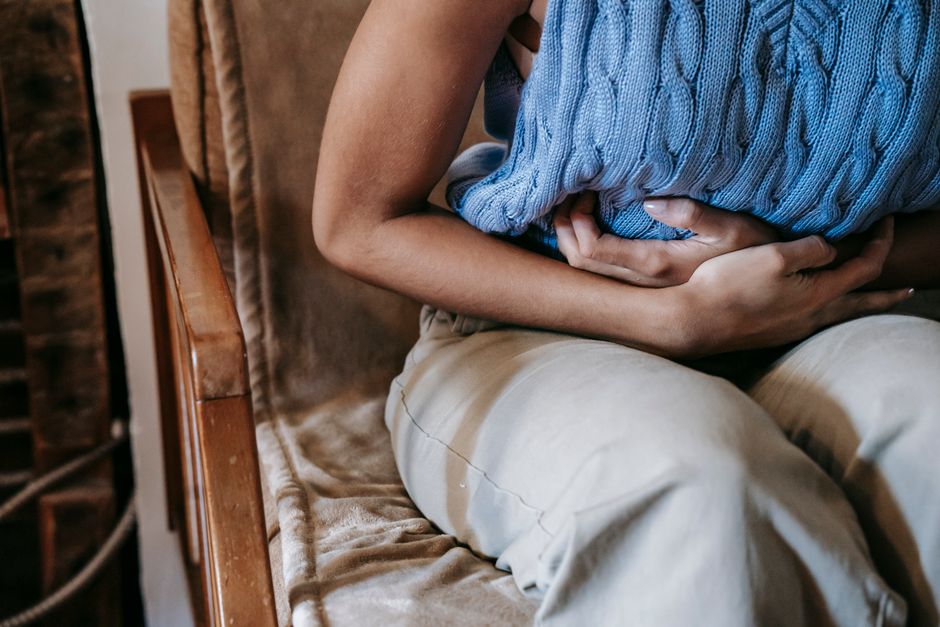
Stomach pain after a colonoscopy is common and usually temporary. The discomfort typically comes from the air used to inflate the colon during the procedure, which stretches the intestinal walls and causes cramping. Most people feel better within a few hours as the gas passes, though some discomfort can linger for a day or two.
What Causes Stomach Pain After a Colonoscopy?
The main cause of post-procedure pain is the carbon dioxide or air your doctor uses to inflate your colon. This inflation lets the scope move through the entire length of the large intestine so the doctor can see the walls clearly.
That gas stretches the colon, and the stretching activates pain receptors in the intestinal wall. After the procedure, the gas needs to leave your body. Until it does, you may feel bloated, crampy, or like you need to pass gas but cannot fully relieve the pressure.
Most colonoscopy procedures now use carbon dioxide instead of regular air because it absorbs into the bloodstream faster. This reduces discomfort significantly. Even so, some gas remains and must pass through the rectum.
How Long Does the Pain Last?
For most people, the cramping and bloating peak within the first few hours after the procedure. By the next morning, the majority of patients report their stomach feels normal again.
Some people experience mild soreness for up to 48 hours. This is more common if you had polyps removed or a biopsy taken. The procedure itself can irritate the intestinal lining where tissue was sampled, and that irritation takes time to settle.
If your pain is severe, worsening, or lasts longer than two days, contact your doctor. That is not a normal pattern, and it deserves medical attention.
What Makes the Pain Worse?
Eating a heavy meal too soon after the procedure can worsen cramping. Your colon has been emptied and manipulated, and it needs time to resume normal movement. Starting with light foods like toast, soup, or crackers is easier on your digestive tract.
Carbonated drinks add more gas to a system already trying to clear gas. Avoid them for the first day. Drinking plain water helps, but drinking too much at once can also cause bloating.
Lying completely flat can trap gas. Gentle movement, like walking, encourages the gas to move through and exit. Many people find that walking for 10 to 15 minutes every few hours speeds up relief.
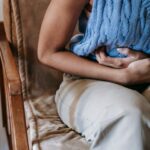

How Can You Relieve the Discomfort at Home?
Walking is the most effective home remedy. Gravity and gentle movement help gas move through the colon. You do not need vigorous exercise — a slow stroll around your home or block is enough.
Applying a warm heating pad to your abdomen can relax the intestinal muscles and ease cramping. Use it on a low or medium setting for 15 to 20 minutes at a time.
Over-the-counter simethicone products, often sold under brand names like Gas-X or Phazyme, can help break up gas bubbles in the intestine. These are generally considered safe after a colonoscopy, but ask your doctor or pharmacist if you are unsure about interactions with any medications you take.
Avoid anti-inflammatory pain relievers like ibuprofen or naproxen for the first day unless your doctor specifically told you they are okay. If you had polyps removed, these medications can increase the risk of bleeding from the removal site. Acetaminophen (Tylenol) is usually the safer choice for pain, but confirm with your doctor first.
When Should You Call Your Doctor?
Call your doctor immediately if you experience severe abdominal pain that does not improve, or if the pain is accompanied by a fever over 100.4°F. These symptoms can indicate a complication such as a perforation (a tear in the colon wall) or an infection.
Other warning signs include vomiting, bloody stools, black or tarry stools, dizziness, or a rapid heartbeat. These are not normal after a colonoscopy and require prompt evaluation.
Perforation is rare, occurring in fewer than 1 in 1,000 procedures, but it is a medical emergency when it happens. Do not wait to see if symptoms improve on their own. Call your doctor or go to an emergency room.
Bleeding from a biopsy site or polyp removal is usually minor and stops on its own. Heavy bleeding — more than a few tablespoons, or bleeding that continues for more than a day — warrants a call to your doctor.
Why Does the Sedation Affect How You Feel?
The sedation used during a colonoscopy can also contribute to how you feel afterward. Most procedures use a combination of a sedative and a pain medication, often propofol or a benzodiazepine with fentanyl. These drugs relax the intestinal muscles, and as they wear off, the muscles begin contracting again. This return of normal muscle activity can cause cramping.
Sedation also slows the digestive tract temporarily. Food and gas move more slowly than usual for several hours after the procedure. This is why doctors recommend starting with light meals and giving your system time to wake up.
Some people feel nauseated from the sedation or the bowel preparation. This usually passes within a few hours. Eating small, bland meals and staying hydrated helps settle the stomach.
Does Having Polyps Removed Change the Recovery?
Yes. If your doctor removed polyps during the colonoscopy, you may have more discomfort than someone who had no polyps removed. The removal process can involve cutting or cauterizing tissue, which irritates the colon wall.
You may also notice a small amount of blood in your stool or on toilet paper for a day or two. This is common after a polypectomy and usually resolves on its own. If bleeding is heavy or continues beyond two days, contact your doctor.
Your doctor may give you specific instructions after polyp removal, such as avoiding heavy lifting or strenuous exercise for a few days. Follow those instructions exactly. They exist to prevent bleeding from the removal site.
What About the Bowel Prep?
The bowel preparation you drank the day before the procedure can contribute to stomach discomfort. The laxative solution empties your entire colon, which can leave the intestinal lining irritated and sensitive. This sensitivity can make the post-procedure cramping feel more intense.
The prep also flushes out the normal bacteria in your colon. While the bacterial balance restores itself within a few days, some people notice bloating or gas during that time. Eating yogurt, kefir, or other fermented foods can help repopulate beneficial bacteria, though the evidence for how quickly this helps is limited.
Dehydration from the prep is another factor. The laxative draws water into the colon, and many people do not drink enough to replace it. Dehydration can cause muscle cramping, including in the abdominal muscles. Drink water steadily after the procedure to rehydrate.
Frequently Asked Questions
Is it normal to have sharp gas pains after a colonoscopy?
Yes, sharp gas pains are common for the first 24 hours after the procedure. The gas used to inflate the colon stretches the intestinal walls, and passing that gas causes temporary cramping.
Can I take pain relievers after a colonoscopy?
Acetaminophen is generally safe, but avoid ibuprofen or naproxen for the first day unless your doctor approves. These anti-inflammatory drugs can increase bleeding risk if you had polyps removed.
How long should I wait before eating a normal meal?
Start with light foods like toast, soup, or crackers for the first meal. You can return to a normal diet the next day if you feel well and have no nausea or significant pain.
When should I go to the emergency room after a colonoscopy?
Go to the ER if you have severe abdominal pain that worsens, a fever over 100.4°F, vomiting, heavy bleeding, or dizziness. These symptoms can indicate a rare but serious complication like a colon tear.
