
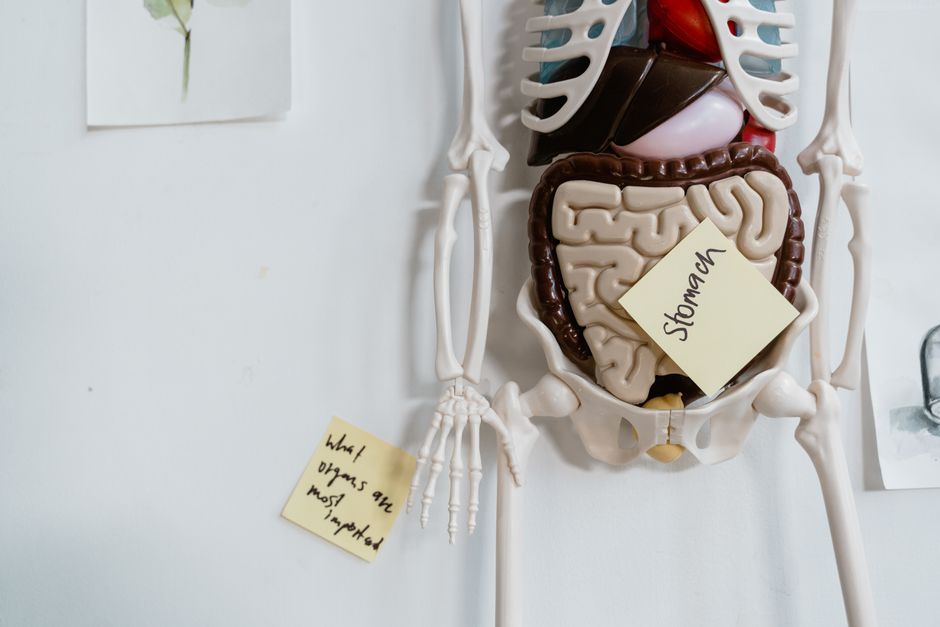
Left-sided stomach pain is common and usually not an emergency. The discomfort can come from organs on that side, including part of your colon, your left kidney, your spleen, or your stomach itself. In women, the left ovary and fallopian tube are also possible sources. The exact cause depends on where the pain is, what it feels like, and what makes it better or worse.
What Organs Sit On The Left Side Of Your Abdomen?
Your abdomen is not a single organ. It is a cavity packed with different structures. Knowing what lives on the left side helps narrow down what might be hurting.
The stomach sits high on the left, just under your ribs. The spleen is also high on the left, tucked behind the stomach. The pancreas runs across the upper abdomen, with its tail reaching the left side. The left kidney sits deep in the back on the left. The descending colon travels down the left side of your abdomen, and the sigmoid colon curves into the lower left pelvis. In women, the left ovary and fallopian tube sit in the lower left pelvic area.
Pain location matters. Pain high under the ribs points to the stomach, spleen, or pancreas. Pain in the middle left side often involves the colon or kidney. Pain low on the left is usually the sigmoid colon or, in women, the ovary.
Why Does The Left Side Of Your Stomach Hurt? The Most Common Causes
Most left-sided abdominal pain is harmless and temporary. Gas and constipation are the two most frequent culprits.
Gas collects in the colon, especially the descending colon on the left. When gas stretches the colon wall, it causes cramping or sharp pain. The pain often moves or changes with position. Passing gas or having a bowel movement usually relieves it.
Constipation causes similar pain. Stool builds up in the left colon and stretches it. The pain is often dull and achy. It may come with bloating and a feeling that you have not fully emptied your bowels.
Diverticulitis is another common cause, particularly in people over 40. Small pouches can form in the colon wall. When one becomes inflamed or infected, it causes steady pain, usually in the lower left side. Fever, nausea, and a change in bowel habits often accompany it. Diverticulitis needs medical evaluation and sometimes antibiotics.
When Left-Sided Pain Comes From The Kidney Or Spleen
Kidney stones and kidney infections cause pain that is often mistaken for stomach pain. The pain from a kidney stone is typically severe and comes in waves. It starts in the flank, which is the side of your back, and may radiate toward the lower abdomen and groin. Blood in the urine or pain with urination points to a kidney issue.
A kidney infection causes a different kind of pain. It is usually a dull ache in the flank or side, paired with fever, chills, and nausea. Urinary symptoms like burning or urgency are common. A kidney infection requires prompt medical treatment with antibiotics.
The spleen sits high on the left, protected by your ribs. It can enlarge due to infections, liver disease, or blood disorders. An enlarged spleen causes a feeling of fullness or pain in the upper left abdomen. The pain may spread to your left shoulder. A ruptured spleen is a medical emergency, but it almost always follows a significant injury like a car accident or a hard fall.





Left-Sided Pain In Women: Ovarian And Gynecological Causes
Women have additional possible sources of left-sided pain. The left ovary and fallopian tube sit in the lower left pelvis.
Ovarian cysts are fluid-filled sacs that form on the ovary. They are common and usually harmless. Most cause no symptoms at all. When a cyst grows large or ruptures, it can cause sudden sharp pain on one side. The pain may come with mild spotting or a feeling of pressure.
Ectopic pregnancy is a serious condition where a fertilized egg implants outside the uterus, often in a fallopian tube. It causes sharp, one-sided pelvic pain, often with vaginal bleeding. This is a medical emergency. Any woman of childbearing age with sudden one-sided pelvic pain should seek urgent care.
Endometriosis can also cause left-sided pelvic pain. In this condition, tissue similar to the uterine lining grows outside the uterus. The pain typically worsens around menstruation. It is a chronic condition that requires a gynecologist for diagnosis and management.
Pancreas And Stomach Conditions That Cause Left-Sided Pain
Upper left pain may come from the stomach or the pancreas. Gastritis is inflammation of the stomach lining. It causes a burning or gnawing pain in the upper left abdomen. The pain often improves after eating but returns a few hours later. Antacids may help temporarily. Persistent gastritis should be evaluated by a doctor.
A stomach ulcer causes similar pain but is more specific. The pain is usually a burning sensation in the upper abdomen, often between meals or at night. Some ulcers cause no symptoms until they bleed. Black stools or vomiting blood are signs of a bleeding ulcer and require immediate medical attention.
Pancreatitis is inflammation of the pancreas. The pain is typically severe and located in the upper middle or left abdomen. It often radiates to the back. The pain may worsen after eating, especially fatty meals. Nausea and vomiting are common. Acute pancreatitis requires hospitalization. Chronic pancreatitis develops slowly and is often linked to heavy alcohol use.
When Should You See A Doctor For Left-Sided Stomach Pain?
Most left-sided pain resolves on its own within a day or two. But some symptoms demand urgent medical care.
Seek immediate care if the pain is severe, sudden, or getting worse. Go to an emergency room if the pain comes with fever, persistent vomiting, blood in your stool, or black stools. Seek urgent care if you cannot pass gas or have a bowel movement, if your abdomen is swollen and tender, or if you are pregnant and have one-sided pain.
Make a regular appointment with your doctor if the pain lasts more than a few days, if it keeps coming back, or if it interferes with eating or sleeping. Unexplained weight loss with abdominal pain also warrants evaluation.
For mild pain that seems related to gas or constipation, simple measures may help. Drinking water, gentle movement, and waiting often resolve the issue. Over-the-counter laxatives or gas relievers can help, but do not use laxatives regularly without a doctor’s guidance.
How Doctors Figure Out The Cause
Your doctor will start with a history and physical exam. They will ask where the pain is, how it feels, and what makes it better or worse. They will press on your abdomen to check for tenderness and identify the exact location.
Based on the exam, your doctor may order tests. Blood tests can check for infection, inflammation, or signs of a pancreas or kidney problem. Urine tests check for kidney stones or infections. Imaging such as ultrasound, CT scan, or MRI provides a detailed view of the organs. A CT scan is often the most useful test for unexplained abdominal pain because it shows most organs clearly.
For women, a pelvic exam or pelvic ultrasound may be needed to evaluate the ovaries and fallopian tubes. Endoscopy may be used if the doctor suspects a stomach ulcer or gastritis.
Frequently Asked Questions
Can gas cause pain on the left side of the stomach?
Yes, gas is one of the most common causes of left-sided abdominal pain. The descending colon on the left side holds gas, and stretching the colon wall causes cramping or sharp pain that usually passes quickly.
Is left-side stomach pain a sign of appendicitis?
No, the appendix is on the right side of the abdomen. Appendicitis typically causes pain in the lower right side, not the left.
What does diverticulitis pain feel like?
Diverticulitis usually causes steady, constant pain in the lower left abdomen. It often comes with fever, nausea, and a change in bowel habits, and it requires medical evaluation.
How long should left-sided stomach pain last before seeing a doctor?
See a doctor if the pain lasts more than a few days or keeps coming back. Seek emergency care immediately if the pain is severe, sudden, or comes with fever, vomiting, or blood in your stool.
