
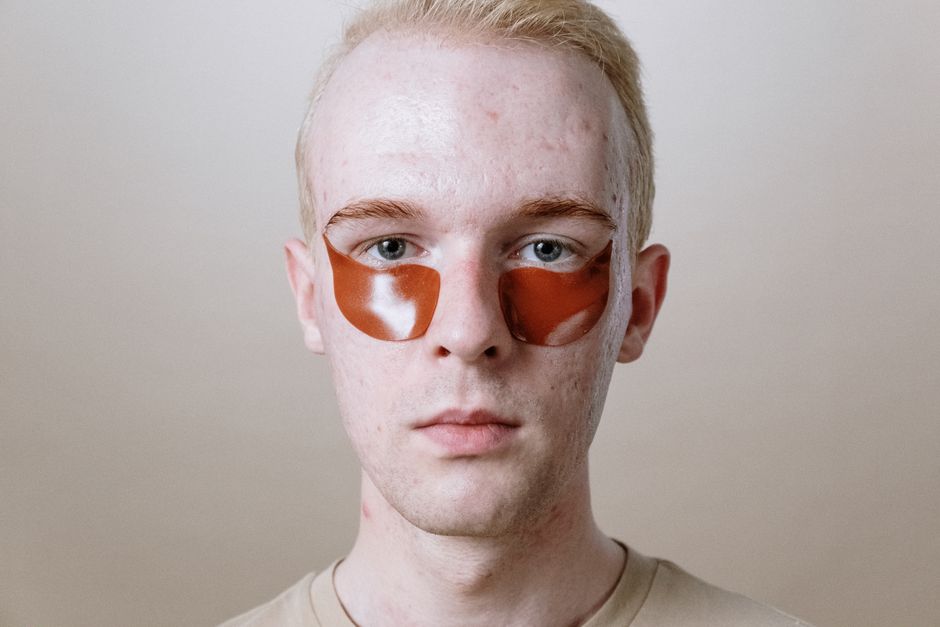
Leathery skin is skin that has lost its natural flexibility and moisture barrier, leaving it feeling thick, rough, and tight rather than soft and pliable. It usually develops slowly over years, driven by sun exposure, aging, and environmental stress. Recognizing it early gives you the best chance to slow the process and protect the skin you still have.
Why Does My Skin Look Leathery?
Skin turns leathery when its two main structural proteins break down faster than the body can rebuild them. Collagen provides firmness. Elastin provides the ability to stretch and snap back. When both are damaged, skin stops bouncing back and starts feeling stiff and coarse.
Ultraviolet radiation from the sun is the single biggest driver. UV rays penetrate the dermis — the deeper layer of skin — and trigger enzymes that break down collagen and elastin. Over decades, this shows up as thickened, weathered skin with a dull, uneven surface.
This process is called photoaging. It is different from normal chronological aging. Chronological aging thins the skin gradually and evenly. Photoaging thickens the outer layer while destroying the structural support underneath, which is what produces that tough, leather-like texture.
Other factors add to the damage. Smoking narrows blood vessels and reduces oxygen delivery to skin. Repeated exposure to dry air, harsh soaps, and wind strips the outer barrier. Genetics set how fast your skin ages, but they do not protect you from sun damage.
What Are the Signs and Symptoms of Leathery Skin?
Leathery skin has a recognizable set of features. The texture is the most obvious sign, but several changes tend to appear together.
- Skin feels thick and rough to the touch, especially on the face, neck, hands, and forearms
- Loss of elasticity — when you pinch the skin, it stays tented instead of springing back
- Deep wrinkles and furrows that remain visible even when the face is relaxed
- Uneven color with dark spots, freckling, or a yellowish or grayish tone
- A tight, dry feeling even after applying moisturizer
- Visible pores and a dull surface that does not reflect light evenly
These signs usually appear on sun-exposed areas first. The forearms and backs of the hands often show changes before the face does, because people rarely apply sunscreen there.
One detail worth knowing: leathery skin and simple dryness can look similar but are not the same. Dry skin improves within days of consistent moisturizing. Leathery skin reflects structural damage in the dermis and does not reverse with moisturizer alone.
Is Leathery Skin Just a Normal Part of Aging?
Aging contributes to skin changes, but leathery texture is not an unavoidable result of getting older. Much of what people attribute to age is actually cumulative sun damage.
Research on skin aging has consistently found that people in sun-protected areas of the body show far less collagen loss than people in sun-exposed areas of the same age. In other words, the difference between smooth and leathery skin often comes down to UV exposure, not birthdays.
That said, some changes are truly tied to age. Collagen production declines naturally over time, and the skin’s ability to repair damage slows. The dermis thins. Oil production drops. These shifts make skin more vulnerable, but they do not by themselves produce the thick, tough texture of leathery skin.
The practical takeaway: you cannot stop aging, but the sun-related portion of the damage is largely preventable, and it is the larger share of the problem for most people.





How Is Leathery Skin Different From Dry Skin?
Dry skin is a surface problem. Leathery skin is a structural one. This distinction matters because the two need different approaches.
| Feature | Dry Skin | Leathery Skin |
|---|---|---|
| Main cause | Water loss from the outer layer | Collagen and elastin breakdown in the dermis |
| Texture | Flaky, scaly, sometimes cracked | Thick, rough, tough |
| Elasticity | Normal — skin springs back | Reduced — skin stays tented |
| Response to moisturizer | Improves within days | Little to no change in texture |
| Reversibility | Usually fully reversible | Largely permanent without procedures |
Many people have both at once. Sun-damaged skin often struggles to hold moisture because the barrier is compromised. Treating the dryness can make leathery skin feel more comfortable, but it will not restore lost elasticity.
What Actually Causes the Damage?
The mechanism behind leathery skin is well understood. It comes down to how UV radiation interacts with the dermis.
When UV light hits the skin, it creates unstable molecules called free radicals. These damage cells and trigger the release of enzymes known as matrix metalloproteinases. These enzymes normally help remodel tissue, but in excess they break down collagen and elastin faster than the body replaces them.
At the same time, UV exposure causes abnormal elastin to build up in clumps. This is called solar elastosis. It is the hallmark of sun-damaged skin and is what gives it that thickened, yellowed, inelastic quality.
Smoking works through a different route. Chemicals in tobacco constrict blood vessels and reduce the flow of oxygen and nutrients to skin. Some research indicates smoking also increases the activity of collagen-degrading enzymes. The combined effect is skin that ages faster and heals more slowly.
Repeated friction and pressure can contribute too, though this is a smaller factor for most people.
Can Leathery Skin Be Treated or Reversed?
This is where honesty matters. Established structural damage to collagen and elastin cannot be fully undone by creams or lifestyle changes. The evidence for most over-the-counter “skin firming” products is limited, and no topical product has been shown to rebuild the dermis to its original state.
Some approaches have more support than others:
- Sun protection is the most important step. Daily sunscreen use slows further damage and is consistently supported by research. It does not reverse existing damage, but it prevents it from getting worse.
- Retinoids are among the better-studied topical ingredients. Prescription tretinoin has been shown in clinical studies to improve some signs of photoaging, including fine wrinkles and skin texture. Effects are modest and take months to appear.
- Laser resurfacing and chemical peels can improve texture and tone by removing damaged surface layers and prompting new collagen formation. Results vary, and these are medical procedures with real risks, including scarring and pigment changes.
- Moisturizers improve comfort and the appearance of dryness. They do not restore elasticity.
Some clinicians also recommend antioxidants like vitamin C serums, but the evidence for meaningful structural change in humans is limited compared to the evidence for sun protection and retinoids. It is reasonable to say the evidence here is mixed.
Anyone considering procedures should talk to a board-certified dermatologist. Results depend on skin type, degree of damage, and how the skin heals.
How Can You Prevent Leathery Skin From Getting Worse?
Prevention is the area with the strongest evidence. The steps below are supported by dermatology research and are widely recommended.
- Apply broad-spectrum sunscreen with SPF 30 or higher every day, even when it is cloudy. Reapply every two hours during sun exposure.
- Wear protective clothing, hats, and sunglasses. Physical barriers block UV more reliably than sunscreen alone.
- Avoid tanning beds. They emit UV radiation that damages collagen and elastin.
- Do not smoke, and avoid secondhand smoke.
- Use gentle cleansers and avoid very hot water, which strips the skin barrier.
- Moisturize daily to support the outer barrier.
- Eat a balanced diet. Some research links diets high in fruits and vegetables with fewer visible signs of skin aging, though this is not as well established as sun protection.
Start where you are. Skin that has already been damaged still benefits from protection. Stopping further damage is the single most effective thing you can do.
When Should You See a Dermatologist?
Leathery skin itself is not dangerous. But sun-damaged skin carries a higher risk of skin cancer, so changes in the skin deserve attention.
See a dermatologist if you notice a new growth, a sore that does not heal, a mole that changes in size, shape, or color, or any spot that bleeds or itches. These are not signs of leathery skin — they are potential warning signs of something else, and they should be checked.
You may also want to see a dermatologist if you are considering treatment for texture and tone. A professional can assess your skin and discuss what is realistic.
Frequently Asked Questions
Can leathery skin go back to normal?
Fully reversing leathery skin is not possible with creams or lifestyle changes alone, because the structural damage to collagen and elastin is largely permanent. Procedures like laser resurfacing can improve texture, but they do not restore skin to its original state.
What deficiency causes leathery skin?
No single nutrient deficiency is known to cause leathery skin. The main causes are sun damage, smoking, and the natural breakdown of collagen and elastin over time.
Does drinking water help leathery skin?
Staying hydrated supports overall skin health, but drinking extra water does not reverse leathery texture. The toughness comes from structural damage in the dermis, not from dehydration of the surface.
At what age does skin start looking leathery?
There is no fixed age. It depends heavily on sun exposure and smoking. People with years of unprotected sun exposure may see changes in their 30s or 40s, while others may not notice significant texture changes until later.
